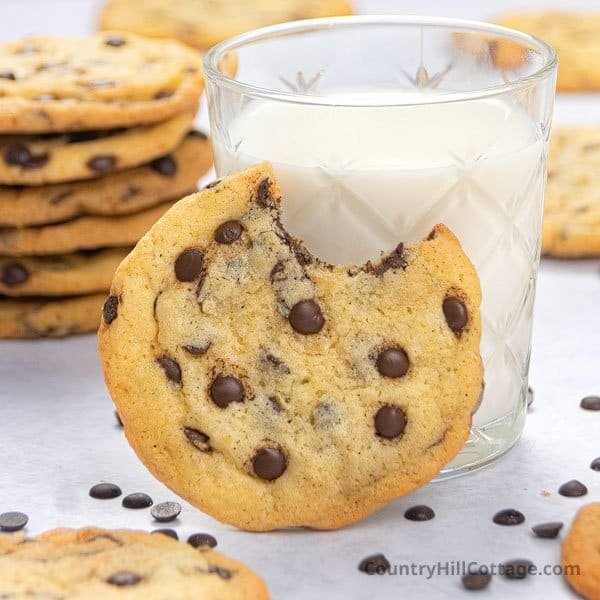

Soft homemade cookies without brown sugar are easy to prepare with simple pantry ingredients and a few reliable baking techniques. If you have run out of brown sugar or prefer using regular white sugar, you can still make delicious cookies with lightly golden edges and soft, tender centers.
Many cookie recipes use brown sugar because its molasses content adds moisture, a slight caramel flavor, and a chewy texture. However, brown sugar is not essential for every homemade cookie recipe. By choosing the right balance of butter, flour, sugar, and liquid, you can create cookies that remain soft without needing brown sugar.
This recipe is especially useful for home bakers who want a straightforward dessert without buying special ingredients. It works well for afternoon snacks, family gatherings, lunchbox treats, and homemade gifts.
In this guide, you will learn how to make soft homemade cookies without brown sugar, how to avoid dry or hard results, which ingredients matter most, how to store the cookies, and how to customize the recipe for different tastes.
1. Why Make Cookies Without Brown Sugar?
Brown sugar is a popular ingredient in many cookie recipes, but it is not always available in every kitchen. Fortunately, granulated white sugar can produce excellent homemade cookies when the recipe is designed around it.
There are several reasons to try cookies without brown sugar.
You can use everyday ingredients
Granulated white sugar is a common pantry ingredient. You do not need to purchase brown sugar specifically to make a batch of homemade cookies.
The flavor is lighter
White sugar provides a clean, straightforward sweetness. Without the molasses flavor found in brown sugar, the butter, vanilla, chocolate chips, or other flavorings can become more noticeable.
The cookies can still be soft
Softness depends on more than the type of sugar. The quantity of flour, butter, moisture, mixing method, baking temperature, and baking time all affect the final texture.
It is easy to customize the recipe
A simple white-sugar cookie dough can be adapted with chocolate chips, cinnamon, chopped nuts, lemon zest, or other additions.
It is useful for beginner bakers
This recipe does not require complicated techniques or specialized equipment. By measuring carefully and watching the baking time, even a beginner can make a successful batch.
One important point: replacing brown sugar with white sugar in an existing recipe does not always produce identical results. Brown sugar contributes moisture and acidity, so a recipe developed specifically for white sugar is usually more reliable.
2. Soft Homemade Cookies Without Brown Sugar: Recipe Overview
Here is a quick overview of the recipe before you begin.
| Recipe detail | Information |
|---|---|
| Preparation time | 15 minutes |
| Chilling time | 20–30 minutes, recommended |
| Baking time | 9–12 minutes |
| Total time | Approximately 45–60 minutes |
| Yield | About 18–24 cookies |
| Difficulty | Easy |
| Oven temperature | 175°C / 350°F |
| Main texture | Soft centers with lightly golden edges |
| Main sweetener | Granulated white sugar |
The exact baking time depends on the size of the cookies and the characteristics of your oven. Smaller cookies may bake more quickly, while larger cookies may need additional time.
The recipe below makes a soft vanilla cookie that can be enjoyed as it is or adapted into a chocolate chip version.
3. Ingredients You Will Need
You can make these soft cookies with ordinary baking ingredients. Measure everything before mixing so the dough comes together smoothly.
Main ingredients
- ½ cup (113 g) unsalted butter, softened
- ¾ cup (150 g) granulated white sugar
- 1 large egg, preferably at room temperature
- 2 teaspoons vanilla extract
- 1¾ cups (about 220 g) all-purpose flour
- 1 tablespoon cornstarch
- ½ teaspoon baking soda
- ¼ teaspoon baking powder
- ¼ teaspoon salt
- 1–2 tablespoons milk, only if needed
The milk is optional. Add it only if the dough is unusually dry or difficult to bring together. Depending on your flour and egg size, you may not need any.
Optional chocolate chip addition
For chocolate chip cookies without brown sugar, add:
– ¾ cup chocolate chips
You can use milk chocolate, semisweet chocolate, or dark chocolate. If you want plain vanilla cookies, simply leave the chocolate chips out.
Why these ingredients matter
Butter: Butter adds richness and contributes to the cookie’s texture. Softened butter is easier to cream with sugar than cold butter.
White sugar: Granulated sugar provides sweetness and influences spreading, browning, and crispness. This recipe balances it with other ingredients to help the cookies remain soft.
Egg: The egg helps bind the dough and contributes moisture and structure.
Vanilla extract: Vanilla enhances the flavor and gives the cookies a familiar homemade aroma.
All-purpose flour: Flour forms the main structure of the cookies. Too much flour can make them dry or dense.
Cornstarch: A small amount can help create a tender texture. It does not replace the flour; it works alongside it.
Baking soda and baking powder: These leavening ingredients help the cookies develop their shape and texture. Use the specified quantities rather than adding extra in an attempt to make the cookies softer.
Salt: Salt balances sweetness and enhances the butter and vanilla flavors.
4. Equipment Needed
You do not need expensive baking equipment for this recipe.
Prepare:
- A large mixing bowl
- A medium bowl for dry ingredients
- A hand mixer or sturdy whisk
- A rubber spatula or wooden spoon
- Measuring cups and spoons or a kitchen scale
- A baking tray
- Parchment paper
- A cookie scoop or tablespoon
- A cooling rack
A hand mixer makes creaming butter and sugar easier, but you can make the cookies by hand with a sturdy whisk and spoon. If mixing by hand, ensure the butter is soft enough to combine smoothly with the sugar.
A kitchen scale is especially helpful because flour measurements can vary significantly when measured by volume.
5. Step-by-Step Instructions for Soft Cookies Without Brown Sugar
Follow these steps in order. The most important details are avoiding excess flour, not overmixing the dough, and taking the cookies out of the oven before they become too dark.
Step 1: Preheat the oven
Preheat your oven to 175°C (350°F).
Line a baking tray with parchment paper. If you have more than one tray, prepare them before you start shaping the dough.
Preheating helps the cookies bake consistently. Putting cookie dough into an oven that has not reached the correct temperature can affect spreading and baking time.
If your oven tends to run hot, consider checking it with an oven thermometer.
Step 2: Prepare the dry ingredients
In a medium bowl, combine the all-purpose flour, cornstarch, baking soda, baking powder, and salt.
Whisk until the ingredients are evenly distributed. This prevents concentrated pockets of baking soda or salt from appearing in individual cookies.
Set the bowl aside.
Step 3: Cream the butter and white sugar
Place the softened butter in a large mixing bowl. Add the granulated white sugar.
Beat the mixture for approximately two to three minutes, scraping down the sides of the bowl as needed.
The mixture should look lighter and creamy, although it may not become as fluffy as a mixture made with brown sugar.
If you are mixing by hand, press and stir the butter and sugar together until the mixture looks evenly combined.
Avoid using melted butter unless the recipe specifically calls for it. Melted butter can cause cookies to spread more, making them thinner and potentially crispier.
Step 4: Add the egg and vanilla
Add the egg and vanilla extract to the butter-sugar mixture.
Mix until the egg is fully incorporated and the mixture looks smooth.
If the mixture appears slightly separated, continue mixing briefly. Avoid beating it excessively once the ingredients are combined.
Scrape down the sides of the bowl so that no unmixed butter or sugar remains around the edges.
Step 5: Add the dry ingredients
Add the flour mixture to the wet ingredients in two or three portions.
Mix on low speed or stir with a spatula until the flour is just incorporated.
Stop mixing when no large patches of dry flour remain. Overmixing can develop gluten in the flour and make the cookies tougher.
The dough should be soft and manageable. It may feel slightly tacky, but it should not be liquid.
If the dough seems unusually dry, add milk one teaspoon at a time. Avoid pouring in the full amount immediately because you may not need it.
Step 6: Fold in the chocolate chips
If you want chocolate chip cookies, add the chocolate chips now.
Fold them into the dough with a spatula until they are distributed evenly.
Reserve a few chips for placing on top of the dough balls if you want a bakery-style appearance.
For plain vanilla cookies, skip this step.
Step 7: Chill the dough
Cover the bowl and refrigerate the dough for approximately 20–30 minutes.
Chilling is particularly useful when making cookies with white sugar because the dough may spread more readily than a dough with a different sugar composition.
The butter becomes firmer during chilling, which can help the cookies maintain their shape in the oven.
If the dough becomes very firm, let it sit at room temperature for a few minutes before scooping.
Step 8: Shape the cookies
Scoop the dough into portions approximately one to one and a half tablespoons in size.
Roll each portion gently into a ball and place it on the prepared tray, leaving around two inches of space between cookies.
Do not crowd the tray. The cookies need room to spread as they bake.
If you reserved chocolate chips, gently press a few onto the top of each dough ball.
Step 9: Bake the cookies
Place the tray in the preheated oven and bake for approximately 9–12 minutes.
Begin checking the cookies at the nine-minute mark.
The edges should look set and may be lightly golden, while the centers can still appear soft and slightly underdone. This is normal for a soft cookie.
Do not wait for the entire surface to become dark golden brown. Cookies continue to firm as they cool on the tray.
If your cookies are particularly small, check them earlier. Larger cookies may need a little longer.
Step 10: Let the cookies rest on the tray
Remove the tray from the oven and leave the cookies undisturbed for approximately five minutes.
They will be delicate while hot. Moving them immediately can cause them to bend or break.
After five minutes, transfer them to a cooling rack with a spatula.
Step 11: Cool and serve
Allow the cookies to cool until they are easy to handle.
For the softest experience, enjoy them once they have cooled slightly but are still fresh. If you are using chocolate chips, the centers may remain pleasantly soft while the chocolate is still warm.
Once fully cool, store the remaining cookies in an airtight container.
6. The Secret to Soft Cookies Without Brown Sugar
White sugar behaves differently from brown sugar, but that does not mean your cookies have to be hard. A few techniques can make a noticeable difference.
Avoid adding too much flour
Excess flour is one of the most common causes of dry cookies.
When measuring with cups, do not press flour firmly into the measuring cup. Spoon it into the cup and level the top with a straight edge.
For the most consistent results, use a kitchen scale and measure approximately 220 grams of flour for this recipe.
Do not overbake
Cookies can become hard when they remain in the oven until their centers are completely firm.
Take them out when the edges are set but the centers still look slightly soft. The residual heat from the baking tray will continue cooking them briefly.
This technique is especially useful for cookies that you want to keep tender.
Use softened butter
Softened butter should yield to gentle pressure but should not look melted or oily.
Butter that is too cold is difficult to cream with sugar. Butter that is melted can make the dough greasy and lead to excessive spreading.
If your kitchen is warm, keep an eye on the butter so it does not become too soft before mixing.
Chill the dough when needed
Chilling is not always essential for every cookie recipe, but it is helpful here.
It gives the flour time to absorb moisture and helps the butter firm up. This can improve the shape and reduce excessive spreading.
Store the cookies correctly
Air exposure can gradually dry cookies out.
Once they are completely cool, place them in an airtight container. Do not leave them uncovered on the counter overnight.
Avoid sealing them while hot, however, because trapped steam can create condensation and make the surfaces damp.
7. White Sugar vs. Brown Sugar in Cookies
Understanding the difference between these sugars helps explain why the recipe is formulated as it is.
| Feature | White sugar | Brown sugar |
|---|---|---|
| Flavor | Clean, straightforward sweetness | Sweetness with molasses notes |
| Moisture | Generally lower | Higher due to molasses |
| Color | Lighter cookies | Often darker cookies |
| Typical texture influence | Can encourage spreading and crispness | Often contributes moisture and chewiness |
| Use in this recipe | Main sweetener | Not required |
White sugar is a suitable choice when you want a simple cookie with a lighter flavor. However, the results depend on the complete recipe rather than sugar alone.
Brown sugar does not guarantee a soft cookie, and white sugar does not automatically produce a hard one. Baking time, flour quantity, fat, moisture, and dough temperature all contribute to the final result.
8. Common Mistakes to Avoid
Using melted butter
Melted butter may cause the cookies to spread more than expected. Use softened butter unless you are following a recipe specifically designed for melted butter.
Adding too much flour
Too much flour makes the dough stiff and can produce dry cookies. Weighing the flour is the most reliable way to avoid this problem.
Skipping the chilling step
If your dough is very soft or your kitchen is warm, skipping chilling may result in thin cookies. Refrigerate the dough for the recommended time.
Baking until the centers look completely firm
The cookies continue to cook briefly after leaving the oven. Removing them while the centers still look slightly soft helps preserve a tender texture.
Overmixing after adding flour
Once the flour is added, mix only until combined. Excessive mixing can create a tougher texture.
Using an unheated oven
An oven that is too cool or has not finished preheating may cause inconsistent spreading and baking. Allow the oven to reach the target temperature before adding the tray.
Placing dough on a hot baking tray
A hot tray can begin melting the butter before the cookies reach the oven, leading to excess spreading. Let trays cool between batches.
Storing cookies while warm
Warm cookies release steam. If they are sealed immediately, condensation may collect inside the container and affect the texture. Allow them to cool before storing.
9. Delicious Variations to Try
Once you have mastered the basic recipe, you can create different flavors using the same dough.


8
Chocolate chip cookies
Add ¾ cup of chocolate chips to the dough. Semisweet chocolate provides a balanced flavor, while milk chocolate produces a sweeter cookie.
For a more chocolatey result, use dark chocolate chunks and add a few extra pieces to the top of each dough ball.
Vanilla sugar cookies
Leave out the chocolate chips and keep the vanilla flavor as the focus.
For a decorative finish, sprinkle a small amount of granulated sugar over the dough balls before baking.
Cinnamon sugar cookies
Add approximately ½ teaspoon of ground cinnamon to the dry ingredients.
For a stronger cinnamon flavor, mix a little cinnamon with granulated sugar and lightly coat the dough balls before baking.
Lemon cookies
Add a small amount of finely grated lemon zest to the butter and sugar mixture.
Lemon gives the cookies a fresh flavor that works particularly well when chocolate chips are omitted. Avoid adding too much lemon juice because additional liquid may affect the dough.
Nutty cookies
Add a modest quantity of finely chopped walnuts, pecans, or almonds.
Keep the pieces relatively small so that the cookies remain easy to shape and hold together.
Double chocolate cookies
Replace a small portion of the flour with unsweetened cocoa powder, then add chocolate chips.
Because cocoa powder absorbs moisture, this change can affect the dough. Use a recipe tested for double chocolate cookies if you want a highly consistent result.
Sprinkle cookies
Fold a small quantity of suitable baking sprinkles into the dough for a colorful variation.
Choose sprinkles designed to hold their color during baking, and avoid adding too many because they may affect the appearance and texture.
10. How to Make Cookies Without a Mixer
You do not need an electric mixer to make this recipe.
First, ensure the butter is properly softened. Place it in a bowl and press it with the back of a sturdy spoon until smooth.
Add the sugar and work the mixture together until it becomes creamy and evenly combined. This may take a few minutes longer than using an electric mixer.
Add the egg and vanilla, then whisk or stir until incorporated.
When adding the dry ingredients, use a wooden spoon or spatula. Mix gently until the dough comes together.
The most important point is to avoid rushing. A mixer saves time, but careful hand mixing can produce excellent homemade cookies.
11. How to Make the Cookies Thicker
If you prefer thick cookies rather than thin ones, focus on the dough temperature and the amount of flour.
- Chill the dough for at least 20–30 minutes.
- Make sure the butter is softened, not melted.
- Measure flour accurately rather than adding large amounts by eye.
- Shape the dough into slightly taller balls instead of flattening them.
- Bake on a cool, parchment-lined tray.
- Avoid placing the dough too close together.
Do not add excessive flour simply to make the dough stiff. Too much flour can produce dense, dry cookies.
Also remember that the cookie size affects the result. Larger dough portions may produce thicker centers, but they may require additional baking time.
12. How to Make the Cookies Softer and Chewier
Softness and chewiness are related but not identical. A soft cookie may be tender and cake-like, while a chewy cookie has more resistance when you bite into it.
To encourage a soft texture:
- Use the specified butter and egg quantities.
- Avoid adding unnecessary flour.
- Do not overmix the dough.
- Remove the cookies while the centers still look slightly soft.
- Allow them to rest on the tray before transferring them.
- Store them in an airtight container after cooling.
White sugar generally produces a different texture from brown sugar, so these cookies may not have exactly the same chewiness as a traditional brown-sugar cookie.
If a strong chewy texture is your main goal, consider a recipe specifically developed for that texture. This recipe is designed to provide soft homemade cookies using white sugar.
13. Can You Make These Cookies Without Eggs?
Yes, but replacing the egg can change the structure and texture.
Eggs help bind the ingredients and contribute moisture. Without an egg, the cookies may become more fragile or spread differently.
Possible alternatives include a commercial egg replacer or a tested baking recipe using an appropriate substitute. Some recipes use mashed banana or applesauce, but these ingredients add moisture and flavor, so they are not direct replacements in every cookie recipe.
If you want to try an egg-free version:
- Choose a substitute intended for baking.
- Follow the substitute’s package instructions.
- Keep the other ingredients unchanged for the first test batch.
- Check the dough consistency before shaping.
- Bake a small test batch and adjust the next batch if necessary.
For reliable results, a recipe specifically developed without eggs is preferable to making several substitutions at once.
14. Can You Make These Cookies Dairy-Free?
A dairy-free version may be possible with suitable plant-based ingredients.
Use a plant-based butter designed for baking and check that it has a consistency suitable for creaming with sugar. Different products contain different amounts of water and fat, so they may affect spreading.
If the dough needs additional moisture, use an appropriate plant-based milk in small quantities.
Check the chocolate chips and vanilla products as well if you are making a dairy-free version. Some chocolate products contain milk ingredients.
The texture may differ slightly from the original recipe, so test a small batch before preparing cookies for a special occasion.
15. How to Store Soft Homemade Cookies
Proper storage helps prevent your cookies from drying out.
At room temperature
After the cookies have cooled completely, place them in an airtight container. Store the container in a cool, dry location away from direct sunlight.
For best quality, enjoy them within approximately three to five days.
In the refrigerator
Refrigeration can extend storage in some situations, but it may also make butter-based cookies feel firmer.
If you refrigerate them, keep them in an airtight container and allow them to come closer to room temperature before serving if you prefer a softer texture.
In the freezer
These cookies can be frozen after baking and cooling.
Arrange them in a single layer until firm, then transfer them to a freezer-safe container or bag. Separate layers with parchment paper to prevent sticking.
For best quality, use them within about two months.
How to thaw frozen cookies
Remove the quantity you need and allow the cookies to thaw at room temperature while covered loosely or kept in their container.
Avoid repeatedly freezing and thawing the same cookies, as this can affect texture.
16. Can You Freeze the Cookie Dough?
Yes. Freezing cookie dough is a useful way to prepare homemade cookies in advance.
Shape the dough into individual portions and arrange them on a parchment-lined tray. Freeze until firm, then transfer the portions to a freezer-safe bag or container.
Label the container with the date and baking instructions.
When you are ready to bake, you can thaw the portions in the refrigerator or bake from frozen if your recipe and dough size allow for it. Frozen dough usually needs additional baking time, so check the centers and edges carefully.
Do not rely only on the original baking time when baking frozen dough. The result depends on the size of the portions and how cold the dough is when it enters the oven.
17. Troubleshooting: Why Did My Cookies Turn Out Differently?
| Result | Likely reason | Suggested improvement |
|---|---|---|
| Cookies spread too much | Butter was too warm, dough was not chilled, or flour was insufficient | Chill the dough and measure ingredients carefully |
| Cookies are hard | They were overbaked or contained too much flour | Shorten baking time and weigh flour |
| Cookies are dry | Excess flour or overbaking | Measure flour accurately and check earlier |
| Cookies are too pale | Baking time was too short or oven temperature was low | Verify oven temperature and check whether edges are set |
| Cookies are too dark | Oven temperature was too high or baking time too long | Check the oven and begin testing earlier |
| Cookies are dense | Dough was overmixed or ingredient proportions were inaccurate | Mix only until combined |
| Cookies break easily | They were moved while hot or the dough was too dry | Let them rest on the tray and review flour measurements |
| Cookies are uneven | Portions were different sizes or the tray was crowded | Use a cookie scoop and leave enough space |
Why are the cookies not golden brown?
Cookies made with white sugar can brown differently depending on the oven, baking tray, and other ingredients.
Look at the edges and overall structure rather than relying only on color. The edges should look set, while the center may still appear soft.
Why do the cookies become hard the next day?
They may have been baked too long, or they may have been exposed to air during storage.
Remove them from the oven while the centers still look slightly soft, then store them in an airtight container after cooling.
Why are some cookies thicker than others?
Uneven dough portions, different tray temperatures, or inconsistent spacing can produce different shapes. Use a scoop and bake similar-sized portions together for more uniform results.
18. Tips for Bakery-Style Homemade Cookies
If you want cookies that look attractive enough to serve to guests or give as gifts, small details can improve their appearance.
Use a cookie scoop
A scoop helps make the portions similar in size. Uniform cookies bake more evenly and create a more professional-looking batch.
Add chocolate chips to the top
For chocolate chip cookies, press a few additional chips onto each dough ball before baking. This makes the chocolate more visible on the finished cookies.
Do not overfill the tray
Leave adequate space between the dough portions. Crowded cookies can spread into each other and bake unevenly.
Rotate the tray if necessary
Some ovens have hot spots. If one side of the tray browns faster, rotate it carefully during baking when appropriate for your oven and recipe.
Use parchment paper
Parchment paper helps prevent sticking and makes it easier to transfer the cookies once they have cooled.
Let the cookies cool naturally
The cookies may look slightly soft when they come out of the oven. Give them time to settle before handling them.
19. Serving Ideas for Soft Homemade Cookies
These cookies are versatile and work well in many settings.
With milk: Serve them with cold milk for a classic snack.
With tea: A soft vanilla or chocolate chip cookie pairs nicely with black tea or milk tea.
With coffee: Serve one or two cookies alongside coffee for a simple afternoon treat.
With ice cream: Pair a cooled cookie with vanilla or chocolate ice cream.
As a lunchbox treat: Pack fully cooled cookies in a suitable container, keeping dietary restrictions and food safety in mind.
On a dessert platter: Combine the cookies with fruit and other small desserts for a simple gathering.
As a homemade gift: Place fully cooled cookies in a clean food-safe box or container. Separate layers with parchment paper and include ingredient or allergen information when giving them to others.
20. Frequently Asked Questions
1. Can I make soft cookies without brown sugar?
Yes. This recipe uses granulated white sugar and is designed to produce soft homemade cookies without requiring brown sugar.
2. Will white sugar make cookies crispy?
White sugar can encourage spreading and crispness, but the final result depends on the complete recipe, including the flour, butter, moisture, and baking time. A recipe designed for soft cookies can still produce tender centers with white sugar.
3. Do I need to chill the dough?
Chilling is recommended because it firms the butter and can help control spreading. If your kitchen is warm or the dough feels very soft, chilling is particularly useful.
4. Can I skip the cornstarch?
You can experiment with leaving it out, but the texture may change. Cornstarch helps create a tender result in this recipe. If you omit it, the cookies may be slightly less delicate.
5. Can I use salted butter?
Yes. If you use salted butter, reduce or omit the added salt according to the saltiness of your butter and your taste preferences.
6. How do I know when the cookies are ready?
Look for set edges and centers that still appear slightly soft. The cookies continue to firm as they cool, so do not wait until the centers look completely hard.
7. Can I make the dough by hand?
Yes. Softened butter, a sturdy spoon, and a little patience are enough. Mix thoroughly when creaming the butter and sugar, but avoid overmixing after adding the flour.
8. Can I add chocolate chips to this recipe?
Yes. Add approximately ¾ cup of chocolate chips after the dough comes together. Fold them in gently so they are distributed evenly.
9. Can I make smaller cookies?
Yes. Use smaller portions and begin checking them earlier because they will bake more quickly. Keep the portions similar in size for consistent results.
10. Can I use whole-wheat flour?
You can replace some of the all-purpose flour with whole-wheat flour, but the cookies may become denser and have a more pronounced grain flavor. Start by replacing only a small portion rather than substituting all the flour.
11. Can I reduce the sugar?
You can experiment with reducing the sugar, but doing so may change spreading, browning, and texture. A modest change is easier to evaluate than a large reduction.
12. Are these cookies suitable for beginners?
Yes. The method is straightforward, and the ingredients are common. Careful measuring, chilling the dough, and avoiding overbaking are the most important steps.
13. Can I freeze the baked cookies?
Yes. Once fully cool, freeze them in a suitable airtight container. Separate the layers with parchment paper and thaw only the quantity you need.
14. Why did my cookies turn out cakey?
Too much flour, excessive leavening, or a different balance of ingredients can create a cakier texture. Measure the flour and raising agents carefully and avoid making several substitutions at once.
15. How can I keep cookies soft for longer?
Store them in an airtight container after they have cooled completely. Avoid leaving them uncovered, and do not overbake them in the first place.
21. Final Thoughts
Soft homemade cookies without brown sugar are a practical choice when you want a delicious homemade treat using everyday ingredients. Granulated white sugar, softened butter, flour, egg, vanilla, and a small amount of cornstarch can create tender cookies without the need for brown sugar.
For the best results, measure the flour carefully, mix the dough only until combined, chill it before baking, and remove the cookies while the centers still look slightly soft. These simple steps help prevent dry, hard cookies and make the recipe easier to repeat successfully.
You can keep the cookies simple with vanilla or customize them with chocolate chips, cinnamon, nuts, or lemon zest. Once cooled and stored properly, they make a convenient snack for family members, guests, and anyone who enjoys freshly made cookies.