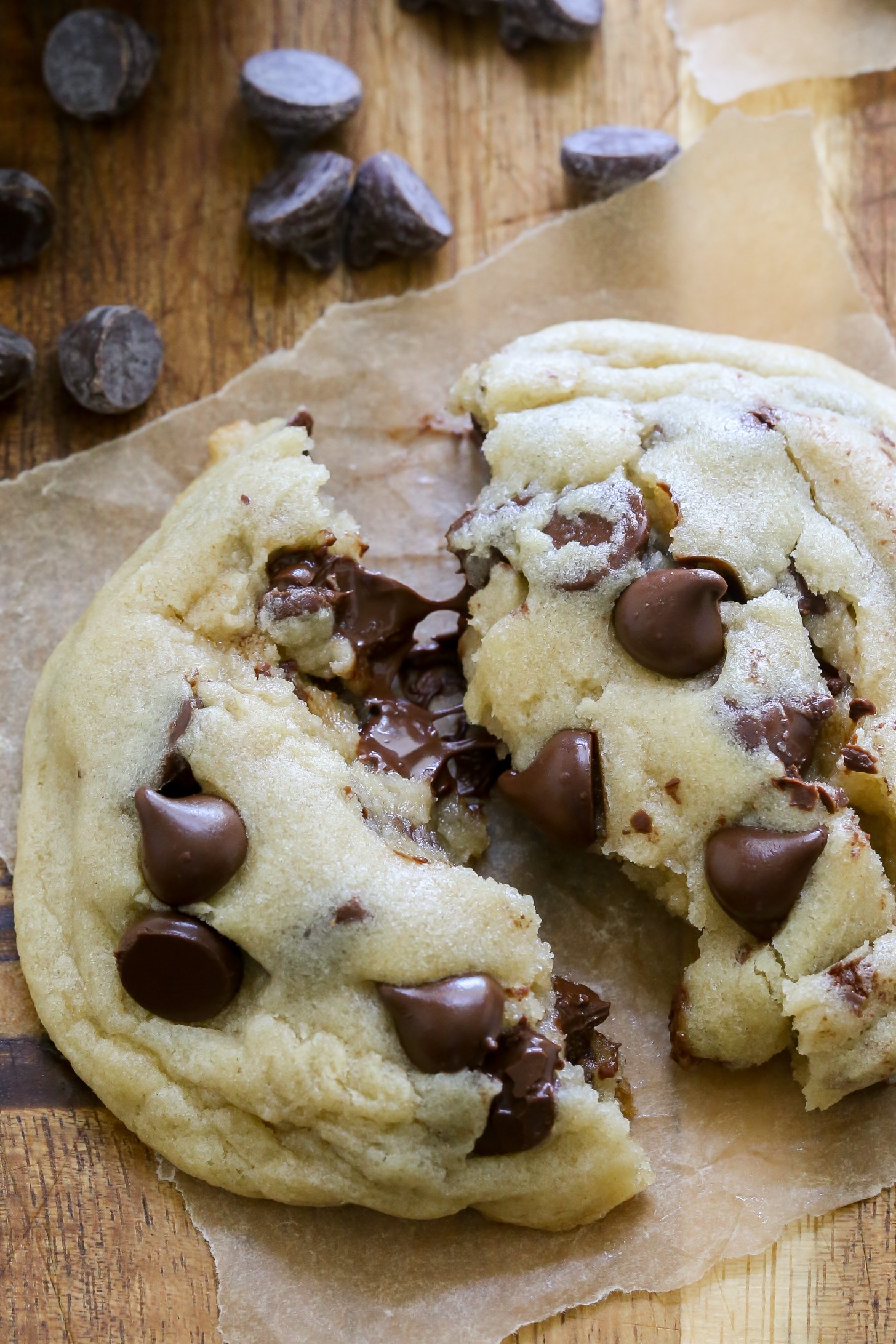
Homemade cookies are best when they have a soft, chewy center, lightly golden edges, and a rich buttery flavor. However, many home bakers struggle to achieve this texture. Sometimes cookies come out of the oven soft but become hard after cooling. In other cases, they turn dry, crunchy, crumbly, or tough despite following a recipe carefully.
The good news is that you can improve the texture of homemade cookies by understanding how ingredients, mixing techniques, baking temperatures, and storage methods work together. Small changes, such as using more brown sugar, measuring flour accurately, chilling the dough, and removing cookies from the oven at the right time, can make a noticeable difference.
This guide explains how to make cookies soft and chewy instead of hard, using practical methods suitable for beginners and experienced home bakers. You will learn which ingredients help retain moisture, how to prevent overbaking, why cookies become hard after cooling, and how to store them so they remain enjoyable for several days.
Why Do Homemade Cookies Become Hard?
Before learning how to make soft cookies, it helps to understand what causes them to become hard.
Cookie texture depends on the balance between moisture, fat, sugar, flour, and baking time. When these ingredients are combined in the wrong proportions, or when the cookies bake for too long, the finished texture can become dry and firm.
Several common problems can affect homemade cookies.
1. Too Much Flour
Flour provides structure, but using too much can make cookies dense and dry.
This often happens when flour is measured directly with a measuring cup. Scooping flour from a bag can compress it, causing you to add more than the recipe requires.
Excess flour absorbs moisture and makes the dough thicker. The resulting cookies may not spread properly and can develop a bread-like or crumbly texture.
How to fix it: Use a kitchen scale whenever possible. If you use measuring cups, spoon the flour into the cup and level the surface without pressing it down.
2. Overbaking
Overbaking is one of the most common reasons cookies become hard.
Cookies continue to cook briefly after they leave the oven because the baking tray remains hot. If you wait until the centers look completely firm before removing them, they may become dry as they cool.
How to fix it: Remove most soft-centered cookies when their edges are set and lightly golden but the centers still look slightly soft. Let them rest on the tray for several minutes to finish setting.
3. Using Too Much White Sugar
White sugar helps cookies spread and develop crisp edges. However, the overall sugar balance influences the finished texture.
Cookies made with a high proportion of white sugar may become crisper than cookies containing more brown sugar, depending on the rest of the recipe.
How to fix it: Choose a recipe that balances white sugar with brown sugar. Brown sugar contributes moisture and a mild caramel flavor, which can help produce a chewier result.
4. Not Enough Fat
Butter contributes flavor, tenderness, and a pleasant mouthfeel. If a recipe contains too little fat, cookies may become dry or tough.
Reducing butter without adjusting the other ingredients can change the entire structure of the dough.
How to fix it: Follow the recipe’s butter measurements carefully. Do not reduce the butter simply to make the cookies less rich unless you are using a recipe designed for that change.
5. Overmixing the Dough
Mixing flour with liquid ingredients develops gluten. Some gluten development is necessary for structure, but excessive mixing can make cookies tougher.
This can happen when an electric mixer runs too long after the flour is added.
How to fix it: Mix the dry ingredients into the wet ingredients only until the flour disappears. Fold in the chocolate chips or other additions gently.
6. Incorrect Oven Temperature
An oven that is too hot may brown the outside before the inside reaches the desired texture. An oven that is too cool may cause the cookies to spread for too long before setting.
Both situations can produce cookies that are difficult to bake consistently.
How to fix it: Preheat the oven fully and check its actual temperature with an oven thermometer if possible.
7. Poor Storage
Even perfectly baked cookies can become hard if they are exposed to air for too long.
Moisture gradually escapes from cookies that are left uncovered or stored in containers that do not seal properly.
How to fix it: Cool the cookies completely and store them in an airtight container in a cool, dry place.
Ingredients That Help Make Cookies Soft and Chewy
The best way to achieve a soft texture is to choose the right ingredients and measure them carefully.
Brown Sugar
Brown sugar is one of the most useful ingredients for chewy cookies.
It contains molasses, which contributes moisture and a deeper flavor. Cookies made with a suitable amount of brown sugar often have a softer center than cookies made with only white sugar.
Light brown sugar provides a mild caramel flavor. Dark brown sugar has a stronger molasses taste and may create a richer cookie.
For chocolate chip cookies, a combination of brown and white sugar is usually a good starting point.
Butter
Butter adds flavor and tenderness.
The temperature of the butter is important because it affects how the dough mixes and spreads.
For recipes that use the creaming method, butter should generally be softened but not melted. Properly softened butter combines more evenly with sugar and helps create a consistent dough.
Melted butter can be useful in recipes designed around it, but replacing softened butter with melted butter without changing the method can produce flatter cookies.
Eggs
Eggs help bind the ingredients together and contribute moisture and structure.
Whole eggs contain both egg white and egg yolk. The white provides water and protein, while the yolk contains fat and emulsifying components.
Some chewy cookie recipes include an additional egg yolk to create a richer texture.
However, adding too many eggs can make the dough cakier or change its structure. Follow the recipe rather than adding extra eggs without adjusting the other ingredients.
Flour
All-purpose flour works well for many homemade cookies.
The amount of flour determines how the dough holds together and how much the cookies spread. Too much flour can make the result dry, while too little may cause excessive spreading.
Weighing flour is one of the simplest ways to improve consistency.
Baking Soda
Baking soda helps cookies spread and brown when the recipe contains suitable acidic ingredients.
It can contribute to a pleasant texture and attractive golden edges.
Using too much baking soda can produce an unpleasant taste and alter the structure. Measure it carefully rather than adding extra to make the cookies softer.
Baking Powder
Baking powder releases gas and can help cookies rise.
Some recipes use baking powder alongside baking soda to balance spreading and lift. Others use only one raising agent.
Do not add extra baking powder automatically. Too much can make cookies puffier or more cake-like than intended.
Vanilla Extract
Vanilla extract does not directly guarantee a soft texture, but it enhances the flavor and aroma.
It works particularly well in chocolate chip cookies, sugar cookies, butter cookies, and oatmeal cookies.
Chocolate Chips
Chocolate chips add flavor and texture, especially when they remain slightly melted in a warm cookie.
Chocolate itself does not necessarily make the cookie dough softer, but choosing good-quality chocolate improves the eating experience.
Semi-sweet chocolate chips provide balanced sweetness, while dark chocolate creates a richer flavor.
Easy Soft and Chewy Chocolate Chip Cookies Recipe

This recipe is designed to produce cookies with soft centers and lightly golden edges. It is suitable for beginners and uses common baking ingredients.
Preparation Information
- Preparation time: 15 minutes
- Chilling time: 30–60 minutes
- Baking time: 10–13 minutes per batch
- Total time: Approximately 1 hour 15 minutes, depending on chilling and batch size
- Yield: Approximately 16 medium cookies
- Oven temperature: 175°C (350°F), conventional oven
Ingredients
| Ingredient | Quantity |
|---|---|
| All-purpose flour | 220 g |
| Unsalted butter, softened | 115 g |
| Brown sugar | 140 g |
| White granulated sugar | 50 g |
| Large egg | 1 |
| Vanilla extract | 1 teaspoon |
| Baking soda | 1/2 teaspoon |
| Fine salt | 1/4 teaspoon |
| Chocolate chips | 150 g |
Step 1: Prepare the Oven
Preheat the oven to 175°C (350°F).
Line a baking tray with parchment paper. Make sure the tray is clean and cool before adding the dough.
Preparing the tray beforehand helps you move quickly once the dough is ready.
Step 2: Mix the Flour and Raising Agent
Add the flour, baking soda, and salt to a bowl.
Whisk them together until evenly distributed.
Set the bowl aside while you prepare the wet ingredients.
Step 3: Cream the Butter and Sugar
Place the softened butter, brown sugar, and white sugar in a large mixing bowl.
Beat with an electric mixer for approximately 2 minutes, or mix thoroughly by hand until the mixture looks creamy.
Scrape the sides of the bowl as needed.
The butter should be soft enough to mix easily but should not be oily or melted.
Step 4: Add the Egg and Vanilla
Add the egg and vanilla extract to the butter mixture.
Mix until smooth and evenly combined.
If the mixture looks slightly separated, continue gently mixing until it becomes more uniform.
Step 5: Add the Dry Ingredients
Gradually add the flour mixture.
Use a spatula or wooden spoon to mix until the flour is just incorporated.
Avoid overmixing. The dough should be thick and soft.
Step 6: Add the Chocolate Chips
Fold the chocolate chips into the dough.
Distribute them evenly without stirring excessively.
If desired, reserve a few chocolate chips to press into the tops of the cookies before baking.
Step 7: Chill the Dough
Cover the bowl and refrigerate the dough for 30–60 minutes.
This helps the butter firm up and can reduce excessive spreading.
If the dough is very cold and difficult to scoop, allow it to stand briefly at room temperature before shaping.
Step 8: Shape the Cookies
Divide the dough into approximately 16 equal portions.
Roll each portion gently into a ball and place it on the lined baking tray.
Leave approximately 5–7 cm between the portions, allowing enough room for the cookies to spread.
Avoid pressing the dough balls completely flat.
Step 9: Bake the Cookies
Bake for approximately 10–13 minutes.
Check the cookies toward the end of the baking period.
The edges should be set and lightly golden, while the centers should remain slightly soft. If the entire cookie looks deeply browned, it may become too crisp as it cools.
Adjust the timing according to your oven and the size of the dough portions.
Step 10: Cool Before Storing
Remove the tray from the oven.
Let the cookies rest on the tray for 5–10 minutes before transferring them to a wire rack.
They will become firmer as they cool while retaining a soft center if they have not been overbaked.
Allow the cookies to cool completely before placing them in an airtight container.
How to Make Cookies Soft Without Changing the Recipe
You do not always need to replace ingredients to improve cookie texture. Several adjustments to your baking technique can make a substantial difference.
Remove Cookies at the Right Time
Watch the edges and centers rather than relying only on the timer.
The edges should look set, but the middle may still appear slightly underdone.
This is normal for many soft-centered cookies because residual heat continues to cook them after removal.
Do not apply this rule blindly to every cookie style. Thin, crisp cookies require a different baking approach, and dough containing unusual ingredients may need a different doneness test.
Avoid Pressing Dough Too Flat
Thicker dough portions generally take longer for heat to reach the center.
If you want a soft center, shape the dough into reasonably thick portions instead of flattening it into thin discs.
Very large portions require careful baking because the edges can overcook before the centers finish.
Use a Cool Baking Tray
A hot baking tray can start melting the butter before the cookies enter the oven.
This may lead to excessive spreading and uneven results.
If you are baking several batches, allow the tray to cool before adding fresh dough.
Do Not Overcrowd the Oven
Overcrowding the oven can interfere with air circulation and make baking less consistent.
Use the center rack and bake one tray at a time when your oven struggles to maintain an even temperature.
If baking two trays at once, follow your oven manufacturer’s recommendations and rotate the trays only when appropriate.
Let the Cookies Set Naturally
Freshly baked cookies are delicate.
Moving them immediately can cause them to break or bend.
Leaving them on the tray for several minutes allows their structure to develop while the residual heat finishes the baking process.
How to Make Cookies Soft Without Brown Sugar
Brown sugar is helpful, but it is not essential for every soft cookie recipe.
If you only have white sugar, choose a recipe formulated for it rather than replacing brown sugar in any recipe without adjustment.
White sugar behaves differently because it lacks the molasses found in brown sugar. It can encourage spreading and crispness, depending on the other ingredients.
To improve softness in a recipe using white sugar:
- Measure the flour carefully.
- Avoid overbaking.
- Use the recommended amount of butter.
- Follow the recipe’s egg measurements.
- Store the cooled cookies in an airtight container.
Some bakers use a small amount of honey or another liquid sweetener to contribute moisture. However, these substitutions also change browning and spreading, so they should be tested in small batches.
The most reliable approach is to select a recipe specifically developed for the ingredients available in your kitchen.
How to Make Cookies Soft Without an Electric Mixer
An electric mixer makes baking easier, but you can make soft cookies without one.
Use a sturdy bowl and wooden spoon or a firm silicone spatula.
Start with softened butter and mix it with the sugar until creamy. This may take several minutes by hand.
Add the egg and vanilla, then stir until combined.
Add the flour mixture gradually and fold it in gently.
Finally, incorporate the chocolate chips or other additions.
The main goal is to combine the ingredients evenly without overmixing the flour.
If the dough becomes difficult to handle, cover it and refrigerate it before shaping.
How to Make Cookies Soft Without an Oven
You can prepare certain types of cookies on a stovetop, although the result may differ from oven-baked cookies.
A heavy-bottomed pan with a lid can trap heat, allowing the dough to cook slowly. Low heat is important because direct heat from below can burn the bottoms before the centers cook.
Use a stovetop-specific cookie recipe whenever possible, because cooking time and dough thickness depend on the pan and heat source.
Do not place a baking tray or unsuitable cookware over a flame. Ensure any parchment paper used is rated for the intended cooking method and cannot touch the flame.
Stovetop cooking is useful when an oven is unavailable, but an oven generally provides more even heating and more predictable results.
How to Keep Cookies Soft After Baking
Correct storage is essential if you want cookies to remain soft for several days.
Cool the Cookies Completely
Do not seal hot cookies in an airtight container.
Warm cookies release moisture, and trapping that moisture can lead to condensation. This can make the cookies sticky or affect their texture.
Allow the cookies to cool before storage.
Use an Airtight Container
Place the cookies in a clean container with a tight-fitting lid.
Keep the container away from sunlight, heat, and moisture.
Airtight storage slows moisture loss and helps preserve the flavor.
Separate Different Types of Cookies
Crisp cookies and soft cookies are best stored separately.
Moisture can move between different baked goods, changing their textures. Soft cookies may lose crispness, while crisp cookies can become less crunchy.
Separate containers help preserve the qualities of each type.
Freeze Cookies for Longer Storage
If you want to keep cookies for longer than a few days, freezing is a useful option.
Allow them to cool completely, then place them in a freezer-safe bag or container.
Separate layers with parchment paper if necessary.
For best quality, use frozen baked cookies within approximately 2–3 months.
Thaw them while covered at room temperature, or warm individual cookies briefly before serving.
How to Fix Cookies That Are Already Hard
If your cookies have already become hard, you may be able to improve their texture slightly.
However, the result depends on how dry they have become.
Method 1: Warm the Cookies Briefly
Place one cookie in a microwave-safe dish.
Heat it for approximately 5–10 seconds, then check the texture.
The warmth may soften the butter and chocolate, making the cookie feel more tender.
Avoid overheating because the cookie can become excessively hot or turn harder after cooling.
Method 2: Store Them in an Airtight Container
If the cookies have become slightly dry, transfer them to an airtight container.
Keeping them sealed prevents further moisture loss.
Do not expect storage alone to restore cookies that are severely overbaked.
Method 3: Use a Slice of Bread Carefully
Some bakers place a small piece of fresh bread in the container with their cookies.
Moisture may move from the bread into the surrounding air and then into the cookies, making them feel softer.
If you try this method, use a clean container, replace the bread as needed, and inspect the cookies regularly. Remove the bread if condensation or signs of spoilage develop.
This method is not necessary when cookies are already soft and should not replace proper storage.
Method 4: Use Hard Cookies in Other Desserts
If the cookies remain too hard to enjoy on their own, you can repurpose them.
Crush them to make a dessert base, sprinkle them over ice cream, or use them in layered desserts.
Hard cookies can also be crumbled into yogurt or pudding shortly before serving.
This approach reduces waste without pretending that severely overbaked cookies can always be restored to their original texture.
How Different Ingredients Affect Cookie Texture
Understanding the role of each ingredient makes it easier to adjust recipes confidently.
| Ingredient or factor | Typical effect on cookies |
|---|---|
| Brown sugar | Adds molasses flavor and helps support a chewy texture |
| White sugar | Contributes sweetness, spreading, and crispness |
| Butter | Adds richness and affects spreading and tenderness |
| Eggs | Bind ingredients and provide moisture and structure |
| Egg yolks | Add fat and richness |
| Flour | Provides structure and absorbs moisture |
| Baking soda | Helps with spreading and browning |
| Baking powder | Contributes lift |
| Chilling | Firms the fat and can reduce excessive spreading |
| Longer baking | Usually produces a drier, firmer cookie |
| Airtight storage | Slows moisture loss after baking |
These effects are influenced by the entire recipe. No single ingredient guarantees a specific result without considering the other ingredients and the baking method.
How to Adjust Cookies for Different Textures
Once you have a reliable recipe, you can make small adjustments to achieve your preferred texture.
For Extra-Chewy Cookies
Choose a recipe with a suitable proportion of brown sugar, avoid adding excess flour, and chill the dough as directed.
An additional egg yolk may help in some recipes.
Remove the cookies when the edges are set but the centers remain slightly soft.
For Softer Cookies
Avoid overbaking and store the cookies in an airtight container once cool.
Recipes designed for a softer texture may use more brown sugar or a different balance of fat and flour.
Do not add extra liquid without considering how it affects the dough structure.
For Thicker Cookies
Chill the dough, shape it into taller portions, and use accurately measured ingredients.
If cookies repeatedly spread too much, check the butter temperature and oven temperature before changing the flour quantity.
For Crispier Edges
A recipe with a balanced amount of white sugar may help create more pronounced crispness around the edges.
Bake until the edges are more deeply golden, checking frequently to prevent burning.
For Cookies That Stay Tender the Next Day
Avoid excessive baking and seal the cookies in an airtight container after they cool.
Recipes that contain sufficient fat and an appropriate proportion of brown sugar often retain a tender texture well.
Storage conditions still matter, and no cookie recipe will remain unchanged indefinitely.
Troubleshooting Guide for Soft Cookies
Use this table to identify common problems and practical solutions.
| Problem | Possible cause | What to do |
|---|---|---|
| Cookies are hard throughout | Overbaking or excess flour | Shorten baking time and measure flour accurately |
| Cookies are dry and crumbly | Too much flour or insufficient fat | Follow the ingredient measurements carefully |
| Cookies are flat | Warm butter, warm dough, or low oven temperature | Chill the dough and check the oven temperature |
| Cookies are raw in the center | Portions are too large or baking time is too short | Bake longer at the correct temperature |
| Cookies are cakey | Too much raising agent or a different ingredient balance | Follow the recipe’s measurements |
| Cookies spread unevenly | Uneven dough portions or inconsistent tray temperature | Portion dough evenly and use a cool tray |
| Cookies become stale quickly | Poor storage | Use an airtight container |
| Cookies have a bitter taste | Too much baking soda or burnt ingredients | Measure raising agents accurately |
| Cookies break when lifted | They are too hot or not sufficiently set | Leave them on the tray for several minutes |
| Chocolate chips burn | Excessive heat or prolonged baking | Check the temperature and baking time |
Frequently Asked Questions
1. What Is the Secret to Making Cookies Soft and Chewy?
The most important factors are accurate ingredient measurements, a suitable balance of brown and white sugar, properly prepared dough, and careful baking.
Removing cookies before they become completely firm in the oven and allowing them to finish setting on the tray can help produce soft centers.
2. Why Do My Cookies Become Hard After Cooling?
Cookies may become hard after cooling if they were overbaked, contained too much flour, or lost moisture during storage.
Measure flour carefully, remove the cookies when the edges are set, and store them in an airtight container once completely cool.
3. Does Brown Sugar Make Cookies Softer?
Brown sugar contains molasses, which contributes moisture and a caramel-like flavor.
It often helps create a chewy texture when used in a suitable recipe, although the final result also depends on the amount of flour, butter, eggs, and other ingredients.
4. Should I Chill Cookie Dough Before Baking?
Chilling is useful for many cookie recipes.
It firms the butter and can reduce excessive spreading. It may also allow the flour to absorb moisture more fully.
Follow the chilling time specified in your recipe.
5. Can I Make Soft Cookies Without Brown Sugar?
Yes. You can use a recipe specifically developed for white sugar.
However, replacing brown sugar with white sugar in an existing recipe may change the spreading, browning, and texture.
6. How Long Should I Bake Cookies to Keep Them Soft?
Many medium chocolate chip cookies bake for approximately 9–13 minutes at 175°C (350°F), depending on their size and the oven.
Start checking before the end of the estimated time. Look for set edges and slightly soft centers rather than relying on a timer alone.
7. Can I Make Cookies Soft Without Adding More Butter?
Yes. Avoiding overbaking, measuring flour correctly, chilling the dough when appropriate, and storing cookies properly can all help improve softness without increasing the butter.
8. How Do Bakeries Keep Cookies Soft?
Bakeries use recipes and processes suited to the type of cookie they sell. These may include carefully measured ingredients, controlled baking times, appropriate cooling, and suitable packaging.
The exact method varies by bakery and recipe.
9. Is It Better to Use Melted Butter or Softened Butter?
Both methods can work, but they produce different results.
Softened butter is appropriate for recipes that use the creaming method. Melted butter is often used in recipes designed around it.
Use the butter preparation specified in your recipe rather than substituting one form for another without adjustment.
10. Why Are My Cookies Hard on the Edges but Soft in the Middle?
This can be a normal and desirable texture.
However, if the edges are excessively hard, the cookies may have baked too long or at too high a temperature.
Check them earlier during the next batch and adjust the temperature if necessary.
11. Can I Reheat Cookies to Make Them Soft Again?
Brief reheating may make cookies feel softer by warming the butter and chocolate.
Try 5–10 seconds in a microwave for an individual cookie, checking carefully. Severely overbaked cookies may not regain their original texture.
12. How Should I Store Soft Cookies Overnight?
Allow the cookies to cool completely, then store them in a clean, airtight container at room temperature in a cool, dry location.
Keep them away from heat and direct sunlight.
13. Can Too Much Baking Soda Make Cookies Hard?
Too much baking soda can alter spreading, browning, flavor, and structure. It may also leave an unpleasant taste.
Measure baking soda carefully and avoid adding extra unless the recipe has been adjusted accordingly.
14. Why Are My Cookies Dry Even When I Follow the Recipe?
Possible causes include inaccurate flour measurements, differences between ovens, baking too long, or ingredient substitutions.
A kitchen scale and oven thermometer can help identify inconsistencies.
15. What Flour Is Best for Soft Cookies?
All-purpose flour works well for many chocolate chip cookie recipes.
The quantity matters as much as the type. Using too much flour can make cookies dry and dense.
16. Can I Freeze Soft Cookies?
Yes. Freeze fully cooled cookies in a freezer-safe, airtight container or bag.
For best quality, use them within approximately 2–3 months and thaw them while covered at room temperature.
17. Why Are My Cookies Puffy Instead of Chewy?
Excessive raising agents, an altered ingredient ratio, or dough that has been prepared differently from the recipe can make cookies puffier.
Follow the specified measurements and avoid adding extra baking powder or baking soda.
18. How Can I Make Cookies Soft for Lunchboxes?
Choose a recipe designed for a soft texture, avoid overbaking, and store the cooled cookies in an airtight container.
For food safety, follow appropriate storage instructions for any recipe containing fillings or toppings that require refrigeration.
19. Do Soft Cookies Need to Be Refrigerated?
Ordinary baked cookies without perishable fillings can generally be stored at room temperature in an airtight container.
Cookies containing cream cheese, custard, or other perishable fillings may require refrigeration. Follow the recipe’s food-safety instructions.
20. What Is the Best Way to Avoid Hard Homemade Cookies?
Measure the flour carefully, use the correct butter temperature, follow the recipe’s sugar balance, avoid overmixing, and check the cookies before the maximum baking time.
Once baked, let them cool appropriately and store them in an airtight container.
Final Thoughts
Making soft and chewy cookies instead of hard ones depends on understanding how ingredients, baking time, and storage work together. Brown sugar, properly measured flour, suitable butter preparation, and careful mixing all contribute to a better result.
The most important habit is to watch the cookies near the end of baking. The edges should be set, while the centers can remain slightly soft. Allow the cookies to rest on the tray before transferring them to a cooling rack, and store them in an airtight container once completely cool.
With these techniques, you can improve your homemade cookies, avoid common baking mistakes, and produce a softer, more enjoyable texture in future batches.