Introduction
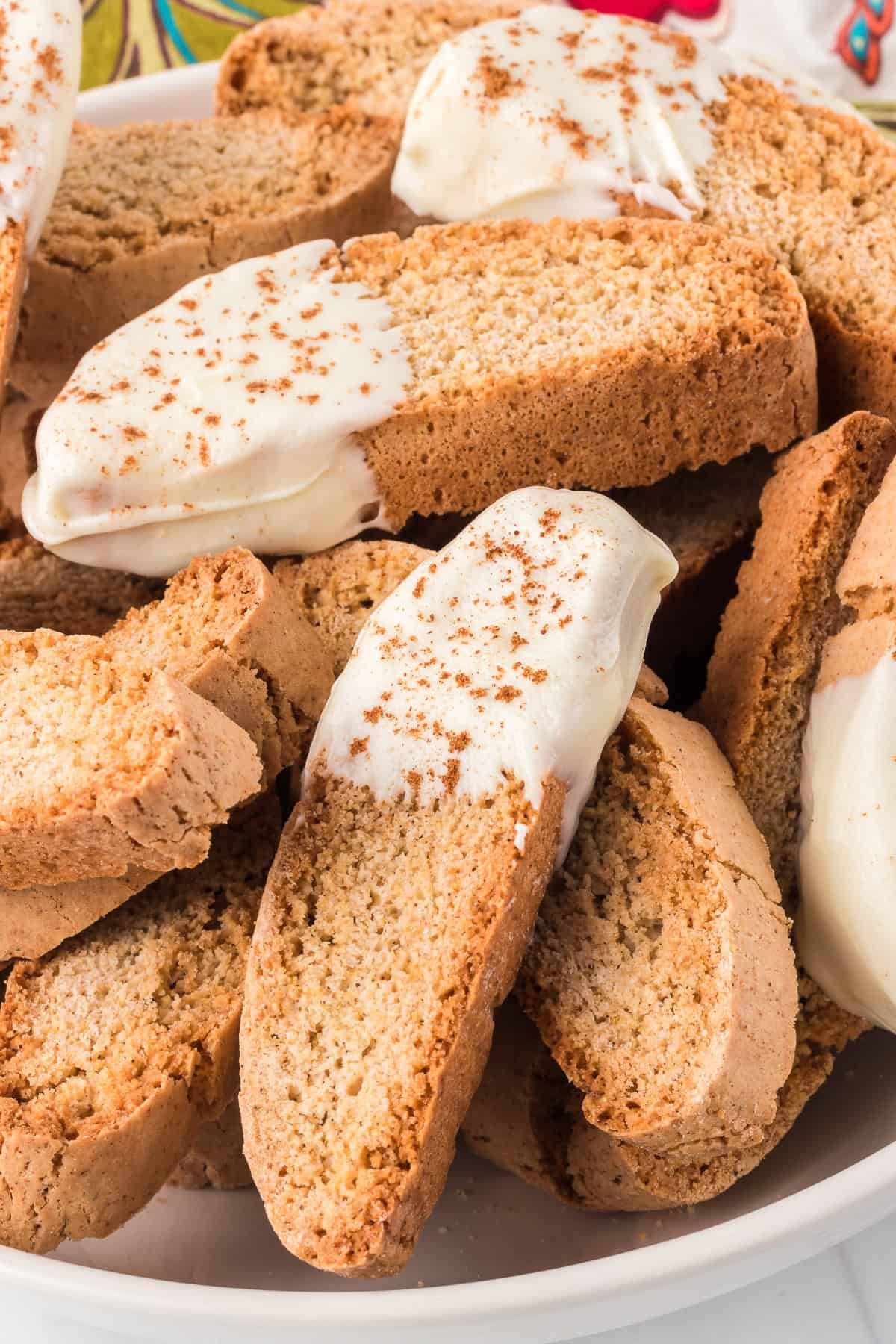
Traditional Italian biscotti are crunchy, twice-baked cookies that are perfect for enjoying with coffee, tea, hot chocolate, or other warm drinks. Originating in Italy, these classic cookies are known for their firm texture, golden-brown color, and long shelf life. Unlike soft American-style cookies, authentic biscotti are intentionally baked until dry and crisp, making them ideal for dipping into a hot beverage.
This traditional Italian biscotti recipe uses simple pantry ingredients, including flour, sugar, eggs, butter, baking powder, vanilla extract, and almonds. The dough is shaped into logs, baked until lightly golden, sliced into individual cookies, and baked again until crisp. Although the process involves two baking stages, the recipe is straightforward enough for beginners.
Homemade biscotti offer several advantages over store-bought cookies. You can control the sweetness, choose your favorite nuts, adjust the flavorings, and avoid unnecessary additives. You can also customize the recipe with chocolate chips, dried cranberries, orange zest, pistachios, or other ingredients.
Whether you are preparing a breakfast treat, an afternoon snack, a holiday gift, or a dessert to serve after dinner, these traditional Italian almond biscotti are an excellent choice.
In this comprehensive guide, you will learn how to make traditional Italian biscotti from scratch, which ingredients work best, how to achieve the perfect crunchy texture, how to slice the cookies without breaking them, and how to store them so they remain crisp for as long as possible.
What Are Traditional Italian Biscotti?
Biscotti are Italian cookies that are baked twice. The word biscotti comes from Italian terminology associated with baking twice, which describes the traditional preparation method.
The dough is first shaped into long, flat logs and baked until the exterior becomes firm. The logs are then cooled briefly, sliced diagonally into individual cookies, and returned to the oven for a second baking. This second stage removes additional moisture and creates the characteristic dry, crunchy texture.
Traditional biscotti are often associated with the Italian region of Tuscany, where almond biscotti are commonly served with coffee or a sweet dessert wine. Their sturdy texture makes them convenient to store and transport.
Modern biscotti come in many flavors, including chocolate, hazelnut, pistachio, cranberry, lemon, orange, and cinnamon. However, a classic almond version remains one of the most recognizable varieties.
What Makes Biscotti Different From Regular Cookies?
Several characteristics distinguish biscotti from ordinary cookies.
- Twice-baked preparation: Biscotti are baked once as logs and again after slicing.
- Crunchy texture: The second baking produces a firm, dry cookie.
- Low moisture: Properly baked biscotti contain less moisture than soft cookies.
- Distinctive shape: They are usually cut into elongated, diagonal slices.
- Excellent dipping ability: Their firm texture makes them suitable for dipping into coffee, tea, or hot chocolate.
- Longer storage potential: When thoroughly dried and stored properly, biscotti can remain crisp for longer than many soft homemade cookies.
The traditional recipe is simple, but the details matter. Dough consistency, log thickness, cooling time, slicing technique, and the second baking all affect the final result.
Why You Will Love This Traditional Italian Biscotti Recipe
This homemade biscotti recipe is designed for home bakers who want reliable results without complicated techniques.
Simple Ingredients
Most ingredients are easy to find in an ordinary grocery store. You do not need special equipment or unusual baking products.
Perfect for Coffee and Tea
Biscotti have a firm texture that softens slightly when dipped into a hot drink. Their mild sweetness complements coffee, espresso, black tea, green tea, and herbal tea.
Easy to Customize
The almond base can be adapted with chocolate, citrus zest, dried fruit, spices, or other nuts.
Ideal for Homemade Gifts
Biscotti are attractive when packaged in jars, cookie tins, or food-safe gift bags. Their dry texture also makes them convenient for preparing ahead of special occasions.
Suitable for Beginners
The recipe involves basic mixing, shaping, baking, and slicing. Even if your first batch is not perfectly uniform, the cookies can still taste delicious.
Convenient for Make-Ahead Baking
Because biscotti are baked twice, they can be prepared in advance and stored in an airtight container once completely cool.
Traditional Italian Biscotti Recipe at a Glance
| Recipe Detail | Information |
|---|---|
| Recipe name | Traditional Italian Almond Biscotti |
| Cuisine | Italian |
| Course | Dessert or snack |
| Preparation time | 20 minutes |
| First baking time | 25–30 minutes |
| Cooling before slicing | 10–15 minutes |
| Second baking time | 20–30 minutes |
| Total estimated time | 1 hour 30 minutes |
| Yield | Approximately 24–30 biscotti |
| Difficulty | Easy to moderate |
| Main flavor | Almond and vanilla |
| Texture | Firm, dry, and crunchy |
| Best served with | Coffee, espresso, tea, or hot chocolate |
The exact yield depends on the length of the logs and the thickness of each slice.
Ingredients for Traditional Italian Biscotti
The following ingredients make a classic almond biscotti with a balanced sweetness and a crisp finish.
Dry Ingredients
2 cups all-purpose flour
All-purpose flour provides the structure needed to form firm, sliceable logs. Measure the flour carefully. Too much flour can produce a dry dough that crumbles during shaping, while too little can make the logs spread excessively.
¾ cup granulated sugar
Granulated sugar sweetens the cookies and contributes to their golden color. Traditional biscotti are often less sweet than many modern dessert cookies.
1 teaspoon baking powder
Baking powder gives the dough a little lift. It helps prevent the biscotti from becoming excessively dense while preserving their firm texture.
¼ teaspoon salt
Salt balances the sweetness and enhances the almond and vanilla flavors.
Wet Ingredients
2 large eggs
Eggs bind the ingredients together and provide structure. They also help the dough hold its shape during the first baking.
Use eggs at approximately room temperature when possible. They generally combine more easily with the other ingredients.
¼ cup unsalted butter, melted and cooled
Butter adds flavor and tenderness. Allow it to cool before mixing it with the eggs so it does not heat the egg mixture.
Some traditional Italian biscotti recipes use little or no butter, relying instead on eggs and nuts. This version includes a modest amount of butter for a slightly richer flavor and a dough that is comfortable for beginners to handle.
1 teaspoon vanilla extract
Vanilla adds warmth and complements the almonds. Pure vanilla extract is a good choice, but a standard vanilla extract also works.
½ teaspoon almond extract, optional
Almond extract intensifies the nutty flavor. Use it sparingly because a little can go a long way.
Nuts and Optional Additions
¾ cup whole almonds
Whole almonds are a classic choice. You can use natural almonds or lightly toasted almonds. Roughly chop them if you prefer smaller pieces, but avoid grinding them into almond flour.
Optional additions include:
- ½ cup dark or semisweet chocolate chips
- ½ cup dried cranberries
- 1 teaspoon finely grated orange zest
- ½ teaspoon ground cinnamon
- ½ cup chopped pistachios
- ¼ cup chopped hazelnuts
For the most traditional flavor, keep the recipe simple with almonds, vanilla, and a small amount of almond extract.
Equipment You Need
You do not need professional baking equipment to make homemade biscotti.
Prepare the following:
- A large mixing bowl
- A medium bowl for dry ingredients
- A whisk or fork
- A wooden spoon or sturdy spatula
- Measuring cups and spoons
- A baking sheet
- Baking parchment
- A cooling rack
- A sharp serrated knife
- An oven
A serrated knife is particularly useful because it can cut through the partially baked logs with less crushing than a dull straight-edged knife.
Step-by-Step Instructions for Traditional Italian Biscotti
Follow these steps carefully to create evenly baked, crunchy almond biscotti.
Step 1: Preheat the Oven
Preheat your oven to 350°F (175°C).
Line a baking sheet with parchment paper. This helps prevent sticking and makes it easier to transfer the baked logs.
Make sure the oven has reached the correct temperature before putting the dough inside. An oven that is too cool can cause the logs to spread or bake unevenly.
If your oven has hot spots, rotate the baking sheet during the first bake when necessary.
Step 2: Combine the Dry Ingredients
In a medium bowl, combine:
- 2 cups all-purpose flour
- ¾ cup granulated sugar
- 1 teaspoon baking powder
- ¼ teaspoon salt
Whisk until the ingredients are evenly distributed.
Mixing the dry ingredients separately helps prevent concentrated pockets of baking powder or salt in the finished dough.
Set the bowl aside while you prepare the wet ingredients.
Step 3: Mix the Eggs and Flavorings
In a large mixing bowl, crack the two eggs.
Add the melted and cooled butter, vanilla extract, and optional almond extract.
Whisk until the mixture looks relatively smooth and the ingredients are combined.
The mixture does not need to become fluffy. Biscotti dough is different from the batter used for light sponge cakes, so extensive whipping is unnecessary.
Step 4: Add the Dry Ingredients
Gradually add the flour mixture to the wet ingredients.
Stir with a sturdy spoon or spatula until the ingredients begin to form a dough.
The dough should be firm enough to shape but not so dry that it falls apart when pressed together.
Avoid adding all the flour too quickly if you are mixing by hand. Gradual incorporation makes it easier to assess the consistency.
If the dough seems slightly sticky, allow it to rest for five minutes before adding extra flour. Flour absorbs moisture as it sits, so the texture may improve naturally.
Step 5: Fold in the Almonds
Add the whole or roughly chopped almonds.
Fold them into the dough until they are distributed throughout.
Try to spread the nuts evenly. If most of the almonds collect in one section, some slices will contain many nuts while others may have very few.
The almonds should remain visible rather than being crushed into a fine powder. Their texture is one of the defining features of classic almond biscotti.
Step 6: Shape the Dough Into Logs
Transfer the dough to the prepared baking sheet.
Lightly flour your hands if necessary, then divide the dough into two equal portions.
Shape each portion into a log approximately 10–12 inches long and 2–3 inches wide. Flatten the tops slightly so the logs resemble low rectangular loaves.
Leave sufficient space between the logs because they may expand a little during baking.
Try to keep both logs similar in width and thickness. Uniform logs are easier to bake evenly and produce slices of similar size.
If the dough sticks to your hands, use a light dusting of flour rather than adding a large amount directly to the dough.
Step 7: Bake the Logs for the First Time
Place the baking sheet in the preheated oven.
Bake for approximately 25–30 minutes, or until the logs look lightly golden and their surfaces feel firm.
The logs should not necessarily be deeply browned at this stage. They will return to the oven after slicing.
Check the center of the logs as well as the edges. If the outside is becoming dark while the center remains very soft, your oven may be running hot or the logs may be too thick.
Remove the baking sheet from the oven when the logs are set and lightly browned.
Step 8: Cool the Logs Briefly
Allow the logs to cool on the baking sheet for approximately 10–15 minutes.
This brief cooling period makes them easier to handle and slice.
Do not attempt to cut them immediately after removing them from the oven. Very hot logs are soft and fragile, and the slices may crumble.
However, do not allow the logs to become completely cold before slicing. Once they cool too much, they can become harder to cut cleanly.
The ideal time to slice is when the logs are firm enough to hold their shape but still slightly warm.
Step 9: Slice the Biscotti
Transfer one log to a cutting board.
Using a sharp serrated knife, cut the log diagonally into slices approximately ½ inch thick.
Use gentle sawing movements rather than pressing down aggressively. This helps protect the almonds and reduces the chance of breaking the slices.
If you prefer smaller, more delicate biscotti, slice them slightly thinner. For thicker cookies with a substantial crunch, use slices closer to ¾ inch.
Try to keep the slices similar in thickness so they dry at approximately the same rate during the second baking.
Repeat with the second log.
Step 10: Arrange the Slices for the Second Bake
Place the sliced biscotti on the baking sheet in a single layer.
Leave a little space between the pieces so hot air can circulate around them.
For a more even drying process, arrange the slices with their cut sides facing upward.
If your baking sheet cannot hold all the slices in one layer, use a second sheet rather than stacking the cookies.
Step 11: Bake the Biscotti Again
Reduce the oven temperature to 300°F (150°C).
Bake the sliced biscotti for approximately 10–15 minutes, then turn them over and bake for another 10–15 minutes.
The total second-baking time will depend on their thickness, the moisture in the dough, and your oven.
Look for a dry surface and a light golden color. The cookies should feel firmer than they did after the first bake.
If you prefer a very crunchy biscotti, you may need a few additional minutes. Check frequently toward the end to prevent excessive browning.
Remember that the cookies will become firmer as they cool.
Step 12: Cool Completely
Remove the biscotti from the oven and transfer them to a cooling rack.
Allow them to cool completely before storing.
Warm biscotti may still contain steam and residual moisture. Sealing them in a container while warm can create condensation and soften their texture.
Once completely cool, the biscotti should be firm, dry, and suitable for dipping.
What Should Perfect Homemade Biscotti Look Like?
A successful batch of traditional Italian biscotti should have several recognizable qualities.
Appearance
The cookies should have a golden surface, slightly darker edges, and visible almonds. The diagonal slices should look neat, although small irregularities are perfectly normal for homemade baking.
Texture
Biscotti should be crunchy rather than soft or cake-like. They are intentionally firm, but they should not taste burnt or have an unpleasantly hard, stale texture.
Flavor
The flavor should be gently sweet, with notes of toasted almonds and vanilla. Almond extract can make the nutty aroma more pronounced.
Shape
The cookies should hold their shape without excessive crumbling. Diagonal slices create the familiar elongated appearance.
Aroma
Fresh biscotti should smell of toasted nuts, butter, and vanilla. A slightly toasted aroma is desirable, while a bitter or burnt smell suggests overbaking.
Essential Tips for Making Crunchy Italian Biscotti
The difference between average biscotti and excellent biscotti often comes down to a few practical techniques.
Measure Flour Accurately
Too much flour can make the dough dry and difficult to shape. If possible, use a kitchen scale. Otherwise, fluff the flour, spoon it into your measuring cup, and level the top.
Avoid packing flour tightly into the cup.
Do Not Overmix the Dough
Once the flour is incorporated, stop mixing when the dough comes together.
Excessive mixing can develop gluten and make the cookies tougher than necessary.
Keep the Logs Uniform
Logs of different thicknesses bake at different rates. Thin logs may dry out before thick logs are ready.
Shape both portions to approximately the same dimensions.
Let the Logs Cool Before Slicing
A short resting period helps the logs become stable enough to cut. Patience at this stage can prevent many broken cookies.
Use a Serrated Knife
A serrated knife is especially helpful for cutting through the crust and almonds. Use controlled, gentle strokes rather than forcing the blade through the log.
Adjust the Second Bake to Your Preference
If you prefer moderately crunchy biscotti, use the shorter end of the recommended second-baking time.
For a drier, more traditional dipping cookie, bake longer at the lower temperature, checking frequently.
Allow for Crisping During Cooling
Biscotti often feel slightly softer while hot. Do not automatically return them to the oven just because they are not completely hard straight from the baking sheet.
Let a sample cool for several minutes before deciding whether additional baking is necessary.
Cool Before Packaging
Moisture is the enemy of crisp biscotti. Store them only after they have cooled completely.
Choose Good-Quality Almonds
Fresh almonds provide a pleasant nutty flavor. If your almonds smell rancid, stale, or unusually bitter, replace them.
Lightly toasting the almonds before adding them to the dough can deepen their flavor. Allow toasted almonds to cool completely before mixing.
Common Biscotti Mistakes and How to Avoid Them
Even simple recipes can produce disappointing results if a few details are overlooked.
Mistake 1: The Dough Is Too Dry
If the dough is crumbly and refuses to hold together, the flour may have been overmeasured or the eggs may have been smaller than expected.
How to fix it: Add a small amount of beaten egg, about one teaspoon at a time, and mix gently until the dough holds together. Avoid adding too much liquid at once.
Mistake 2: The Dough Is Too Sticky
Sticky dough can be difficult to shape.
How to fix it: Let the dough rest for five to ten minutes. If necessary, lightly flour your hands and the work surface. Add extra flour only in small amounts because excessive flour can produce dry biscotti.
Mistake 3: The Logs Spread Too Much
Logs may spread if the dough is too wet, the butter is excessively warm, or the flour has been measured inaccurately.
How to fix it: Check your measurements and make sure the butter has cooled before mixing. Shape the logs slightly narrower and taller if needed.
Mistake 4: The Logs Crack During the First Bake
Small surface cracks are not necessarily a problem. Biscotti logs can develop minor cracks as they expand.
How to fix it: Make sure the dough is properly combined and not excessively dry. Avoid shaping the logs with too much pressure.
Mistake 5: The Slices Crumble
This can happen when the logs are sliced while too hot, allowed to cool completely, or cut with a dull knife.
How to fix it: Let the logs rest for 10–15 minutes and use a sharp serrated knife. Cut with gentle sawing motions.
Mistake 6: The Biscotti Are Too Soft
Soft biscotti may not have received enough time in the second bake.
How to fix it: Return them to a 300°F (150°C) oven for another 5–10 minutes, checking frequently. Cool them completely before judging the texture.
Mistake 7: The Biscotti Are Too Hard
Biscotti are supposed to be firm, but excessive baking can make them unpleasantly hard.
How to fix it: Reduce the second-baking time slightly next time. Slice the logs a little thicker if you want a less brittle result.
Serve particularly firm biscotti with a hot beverage to soften them before eating.
Mistake 8: The Bottoms Become Too Dark
Dark bottoms may result from a hot oven, a thin baking sheet, or prolonged baking.
How to fix it: Use parchment paper, check your oven temperature, and consider moving the baking sheet to the middle rack. A heavier baking sheet may also help distribute heat more evenly.
Mistake 9: The Almonds Fall Out
Large clusters of nuts can create weak spots in the slices.
How to fix it: Distribute the almonds evenly and press the dough together gently before shaping. Cutting with a serrated knife also helps reduce damage around large nuts.
Mistake 10: The Biscotti Lose Their Crunch After Storage
This usually happens because the cookies were stored while warm or exposed to moisture.
How to fix it: Cool completely before placing them in an airtight container. If they soften, briefly re-crisp them in a low oven and cool again before storing.
Traditional Italian Biscotti Variations
One of the best things about biscotti is how easily the basic recipe can be adapted.
1. Classic Almond Biscotti
The classic version uses whole almonds, vanilla, and a little almond extract.
For a more pronounced almond flavor, toast the almonds lightly before adding them to the dough.
2. Chocolate Chip Biscotti
Add approximately ½ cup of dark or semisweet chocolate chips.
Chocolate chips provide sweetness and a richer flavor. Avoid adding too many, as excess chocolate can make the dough more difficult to slice cleanly.
You can also drizzle melted chocolate over the cooled biscotti.
3. Cranberry Almond Biscotti
Add ½ cup dried cranberries to the almond dough.
The cranberries contribute a sweet-tart flavor that balances the richness of the nuts.
If the dried fruit is unusually large, chop it into smaller pieces to make slicing easier.
4. Orange Almond Biscotti
Add 1 teaspoon of finely grated orange zest.
Orange and almond are a natural combination. The citrus aroma gives the cookies a fresh flavor that works particularly well with espresso and black tea.
Avoid grating too deeply into the white pith of the orange, as it can taste bitter.
5. Pistachio Biscotti
Replace part or all of the almonds with chopped pistachios.
Pistachios add a distinctive color and a slightly sweet, nutty taste. They pair well with orange zest or a small amount of vanilla.
6. Hazelnut Biscotti
Use chopped hazelnuts instead of almonds.
Hazelnuts have a rich flavor that works especially well with dark chocolate. If desired, add a small amount of cocoa powder while reducing the flour slightly to keep the dry ingredients balanced.
7. Cinnamon Biscotti
Add ½ teaspoon of ground cinnamon to the dry ingredients.
Cinnamon gives the biscotti a warm flavor that is especially pleasant during cooler weather.
You can also add a small pinch of nutmeg, but keep the spices balanced so they do not overpower the almonds.
8. Lemon Biscotti
Add 1 teaspoon of finely grated lemon zest.
Lemon gives the cookies a fresh aroma and works well with almonds or pistachios. A light lemon glaze can be added after baking if you prefer a sweeter dessert.
9. Double Chocolate Biscotti
Replace approximately ¼ cup of flour with unsweetened cocoa powder and add a modest amount of chocolate chips.
Cocoa changes the dough’s moisture balance, so assess its consistency before shaping. Add a little beaten egg if necessary rather than pouring in extra liquid without measuring.
10. Coffee Biscotti
Add 1–2 teaspoons of instant espresso powder to the dry ingredients.
This variation creates a deeper coffee flavor and is ideal for serving alongside cappuccino or espresso.
11. Mixed Nut Biscotti
Combine almonds, pistachios, and hazelnuts.
Keep the total quantity of nuts close to the original ¾ cup so the dough remains easy to shape and slice.
12. Honey Biscotti
Replace a portion of the granulated sugar with a small amount of honey.
Honey adds a distinctive flavor but also introduces moisture. Too much can make the dough sticky and affect the final crispness, so this variation may require adjustments to the flour and baking time.
13. Raisin Biscotti
Add approximately ½ cup of raisins.
Raisins provide sweetness and a chewy contrast to the crunchy cookie. Chop large raisins if you find that they interfere with slicing.
14. Festive Holiday Biscotti
Combine almonds, dried cranberries, orange zest, and a small amount of cinnamon.
These ingredients create a colorful cookie suitable for holiday gatherings and homemade gift boxes.
15. Vegan-Style Biscotti
A vegan version requires replacing the eggs and butter with suitable plant-based alternatives.
Use a plant-based butter and a tested egg substitute designed for baking. Since eggs contribute substantial structure to biscotti, simply removing them will not produce the same result. Expect to adjust the liquid balance and baking time.
How to Make Biscotti Without Butter
Traditional biscotti recipes vary, and many Italian-style versions are made with eggs, flour, sugar, and nuts without butter.
To make a lower-butter or butter-free version, use a recipe specifically balanced for that approach rather than removing the butter from this recipe without making any other changes.
Butter contributes flavor, fat, and tenderness. Removing it changes the dough’s texture and may make the finished cookies firmer.
For a simple butter-free variation, use a tested recipe that relies on eggs and a suitable amount of liquid. Follow the same general twice-baking process: bake the logs, cool briefly, slice, and bake the pieces again until dry.
How to Make Biscotti Less Sweet
If you prefer mildly sweet cookies, you can experiment with reducing the sugar slightly.
Start by reducing the granulated sugar from ¾ cup to approximately ⅔ cup. Avoid making a dramatic reduction on your first attempt because sugar contributes not only sweetness but also color and texture.
Other ways to balance sweetness include:
- Use dark chocolate instead of milk chocolate.
- Add orange or lemon zest.
- Use toasted almonds or pistachios.
- Serve biscotti with unsweetened coffee or tea.
- Avoid adding a sugary glaze.
A modest reduction generally preserves the recipe better than removing most of the sugar.
How to Make Biscotti Extra Crunchy
The second bake is the key to achieving a crisp texture.
First, make sure the logs are fully set during the initial baking. If they are underbaked in the center, the slices may remain soft.
Second, cut the logs into evenly sized pieces. Very thick slices take longer to dry.
Third, bake the slices at a lower temperature after cutting. The goal is to remove moisture gradually without burning the outside.
Fourth, cool the cookies completely before testing the final texture. They should become firmer as they cool.
Finally, store them in an airtight container in a dry environment. Even perfectly baked biscotti can soften if exposed to humid air.
How to Serve Traditional Italian Biscotti
Biscotti can be enjoyed in several ways.
With Espresso
The intense flavor of espresso contrasts with the mild sweetness of almond biscotti. Dip the cookie briefly into the espresso or take small bites between sips.
With Cappuccino
The creamy milk foam in cappuccino complements the firm texture and toasted flavor of biscotti.
With Black Tea
Black tea provides a balanced accompaniment, especially when the biscotti include almonds, orange zest, or cinnamon.
With Green Tea
Plain almond biscotti can be served with green tea for a lighter snack.
With Hot Chocolate
Chocolate biscotti are particularly suitable for hot chocolate, but classic almond biscotti also provide a pleasant contrast to a rich cocoa drink.
With Ice Cream
Crush biscotti into small pieces and sprinkle them over vanilla or chocolate ice cream. The crunchy pieces add texture to the dessert.
As Part of a Dessert Board
Arrange biscotti with fresh fruit, chocolate pieces, nuts, and other small desserts for a simple entertaining platter.
As a Homemade Gift
Place completely cooled biscotti in a food-safe tin or jar. A ribbon and a handwritten label can make the package suitable for birthdays, holidays, or thank-you gifts.
How to Store Homemade Biscotti
Correct storage helps preserve the crisp texture and fresh flavor of homemade biscotti.
At Room Temperature
Once the biscotti have cooled completely, place them in an airtight container.
Keep the container in a cool, dry cupboard away from direct sunlight, heat, and moisture.
For best quality, enjoy them within approximately two weeks. They may remain enjoyable for longer if thoroughly dried and stored properly, but texture and flavor can gradually change.
Should Biscotti Be Refrigerated?
Refrigeration is generally unnecessary for plain, thoroughly baked biscotti.
A refrigerator can expose cookies to moisture and odors from other foods. An airtight container in a cool, dry cupboard is usually a better choice.
If the recipe includes perishable toppings or fillings, follow the storage requirements for those ingredients instead.
Can Biscotti Be Frozen?
Yes. Completely cooled biscotti can be frozen in a freezer-safe container or bag.
Separate layers with parchment paper to reduce breakage. Remove as much excess air as practical before sealing.
For best quality, use them within about two to three months.
How to Thaw Frozen Biscotti
Remove the biscotti from the freezer and allow them to reach room temperature while protected from humid air.
If they soften slightly, place them in a low oven for a few minutes, then cool completely before serving or storing.
How to Keep Biscotti Crisp
Use these storage practices:
- Cool the cookies completely.
- Use a clean, dry, airtight container.
- Keep the container away from steam and heat.
- Avoid storing biscotti with soft cookies.
- Do not package warm cookies.
- Re-crisp softened biscotti in a low oven when necessary.
Can You Make Biscotti Dough Ahead of Time?
You can prepare the dough in advance, but the best approach depends on how long you want to wait before baking.
For a short delay, cover the dough and refrigerate it briefly. Chilled dough may be firmer and easier to shape, although you may need to allow it to soften slightly before forming the logs.
For longer preparation, it is often more convenient to bake the logs, slice them, and complete the second bake later. However, the logs should be handled and stored safely, and they should not be left uncovered in a humid environment.
For the most consistent results, bake the biscotti completely, cool them, and store them in an airtight container.
How to Re-Crisp Soft Biscotti
If your biscotti lose their crunch, they may have absorbed moisture from the air.
Preheat the oven to approximately 275–300°F (135–150°C).
Arrange the biscotti in a single layer on a baking sheet. Warm them for about 5–10 minutes, checking regularly.
Remove them from the oven and allow them to cool completely on a rack.
The cookies should become firmer as they cool. Avoid baking them for too long, as repeated heating can make them excessively hard or darken their flavor.
If the biscotti smell unusual, show signs of mold, or have been contaminated, do not attempt to salvage them by reheating.
Nutritional Information
The nutritional value of traditional Italian biscotti depends on the ingredients, the size of each cookie, and the number of slices produced.
Almonds contribute fats, protein, and some fiber. Eggs provide protein, while flour and sugar supply most of the carbohydrates in the basic recipe.
The following is an approximate estimate for one biscotti when the batch produces around 28 cookies.
| Nutrient | Approximate Amount |
|---|---|
| Calories | 110–140 |
| Carbohydrates | 15–19 g |
| Protein | 2–3 g |
| Fat | 4–6 g |
| Sugar | 6–9 g |
| Fiber | 1–2 g |
These numbers are estimates, not laboratory measurements. Actual values will vary depending on the brands and quantities of ingredients, the size of the cookies, and any additions such as chocolate or dried fruit.
For more accurate nutritional information, calculate the values using the exact ingredients and final number of servings.
Frequently Asked Questions About Traditional Italian Biscotti
1. What Is the Secret to Making Traditional Italian Biscotti?
The main secret is the twice-baking process. First, bake the dough as logs until firm. After a short cooling period, slice the logs and bake the individual cookies again at a lower temperature to remove additional moisture.
Accurate measurements, even log thickness, and complete cooling also help produce consistent results.
2. Why Are Biscotti Baked Twice?
The first bake cooks the dough and creates logs that can be sliced. The second bake dries the slices and creates the firm, crunchy texture associated with biscotti.
Without the second bake, the cookies will generally be softer and may not store as well.
3. Are Traditional Italian Biscotti Supposed to Be Hard?
Yes. Biscotti are meant to be firm and crunchy, particularly compared with soft cookies.
However, they should not be burnt or unpleasantly hard. A properly baked biscotto should have a dry, crisp texture and a pleasant toasted flavor.
4. Why Did My Biscotti Break When I Sliced Them?
The logs may have been too hot, completely cold, or insufficiently firm. A dull knife can also crush the cookies.
Let the logs rest for approximately 10–15 minutes after the first bake and use a sharp serrated knife with gentle sawing movements.
5. Can I Use Sliced Almonds Instead of Whole Almonds?
Yes. Sliced almonds can be used, although they produce a different texture and appearance.
Whole almonds create larger nutty pieces, while sliced almonds distribute more finely throughout the dough. If using sliced almonds, fold them in gently to avoid crushing them.
6. Can I Use Almond Flour Instead of All-Purpose Flour?
Not as a direct one-to-one replacement in this recipe.
Almond flour does not contain the same gluten-forming proteins as all-purpose flour. Replacing all the flour with almond flour would significantly change the dough’s structure and could prevent the logs from holding together.
For a gluten-free version, use a tested biscotti recipe formulated with a suitable gluten-free flour blend.
7. Can I Make Biscotti Without Almond Extract?
Absolutely. Almond extract is optional.
The whole almonds already contribute a nutty flavor. Vanilla extract alone produces a pleasant and balanced cookie.
8. Can I Make Biscotti Without Baking Powder?
You can use a recipe specifically designed without baking powder, but simply removing it from this formula may change the density and texture.
Baking powder gives the dough some lift, helping the biscotti remain firm without becoming excessively compact.
9. How Thick Should Biscotti Slices Be?
Slices approximately ½ inch thick are a good starting point.
Thinner slices become crisp more quickly and may be more fragile. Thicker slices create a substantial cookie and generally require a longer second bake.
10. Why Are My Biscotti Soft in the Middle?
They may not have dried sufficiently during the second bake. The slices may also be unusually thick or the first-baked logs may have been underbaked.
Return the slices to a low oven for a few additional minutes, then allow them to cool before testing.
11. Can I Make Biscotti Without Eggs?
Yes, but you will need a tested egg-free recipe.
Eggs provide structure and bind the ingredients. Simply omitting them will likely make the dough crumbly or prevent the logs from holding together.
An appropriate egg substitute may work, but the liquid balance and baking time may require adjustment.
12. Are Biscotti Suitable for Dipping Into Coffee?
Yes. Dipping is one of the classic ways to enjoy biscotti.
Their firm texture allows them to absorb a little coffee without immediately falling apart. Dip briefly at first so you can find the texture you prefer.
13. Can I Add Chocolate to Traditional Biscotti?
Yes. Chocolate chips can be folded into the dough, or melted chocolate can be drizzled over the cooled cookies.
If you add chocolate chips, avoid using too many. Excessive additions may make the logs more difficult to slice.
14. How Long Do Homemade Biscotti Last?
Properly baked and stored biscotti are often best enjoyed within approximately two weeks at room temperature.
Their actual storage life depends on moisture content, ingredients, packaging, and storage conditions. Discard cookies that show mold, develop an unusual odor, or appear spoiled.
15. Can I Freeze Biscotti Dough?
Freezing the shaped dough may be possible, but it can affect texture and baking time.
For convenience and predictable results, it is often easier to freeze the completely baked and cooled cookies in an airtight freezer-safe container.
16. Why Are My Biscotti Too Dark?
The oven may be too hot, the logs may be too thin, or the cookies may have spent too long in the second bake.
Check the oven temperature, use the middle rack, and begin checking the biscotti before the end of the suggested baking time.
17. What Is the Best Flour for Biscotti?
All-purpose flour is a reliable choice for this recipe.
It provides enough structure for shaping and slicing while producing a firm cookie. Other flours may work, but they can change the moisture balance and texture.
18. Can I Make Biscotti Without Nuts?
Yes. You can leave out the almonds and add suitable alternatives such as chocolate chips, dried cranberries, or citrus zest.
However, removing the nuts changes the texture and flavor. Keep the total additions moderate so the dough remains easy to shape and slice.
19. What Is the Best Temperature for the Second Bake?
A temperature around 300°F (150°C) works well for this recipe.
The lower temperature allows the sliced cookies to dry gradually without browning too quickly. The precise baking time depends on the thickness of the slices and your oven.
20. Can Beginners Make Italian Biscotti Successfully?
Yes. Biscotti are suitable for beginners because the recipe uses ordinary ingredients and basic techniques.
The most important steps are measuring correctly, shaping uniform logs, allowing them to cool briefly before slicing, and baking the slices until dry.
21. What Is the Difference Between Biscotti and Cantucci?
The terms are sometimes used interchangeably, particularly outside Italy. In Tuscany, cantucci commonly refers to a specific style of twice-baked almond biscuit.
Biscotti is a broader term used for various twice-baked cookies, including versions made with different nuts, chocolate, fruits, and flavorings.
22. Can I Use Brown Sugar Instead of White Sugar?
You can experiment with brown sugar, but it contains more moisture than granulated white sugar and adds a caramel-like flavor.
The finished cookies may have a slightly different color and texture. For the most predictable traditional result, use granulated sugar.
23. How Do I Know When Biscotti Are Fully Baked?
The logs should be set and lightly golden after the first bake. After the second bake, the slices should feel dry and firm.
Allow a sample to cool before checking its final texture. If it remains soft in the center, bake the remaining slices a little longer.
24. Can I Package Biscotti as Gifts?
Yes. Once the cookies are completely cool, place them in a clean, dry, food-safe tin or airtight bag.
Protect the cookies from moisture and avoid packaging them with soft baked goods. You can also include a note suggesting that the biscotti be served with coffee or tea.
25. What Is the Best Drink to Serve With Almond Biscotti?
Espresso, cappuccino, black tea, and hot chocolate are all excellent choices.
Espresso provides a strong contrast to the mild sweetness, while tea offers a gentler pairing. The best option depends on your preferred flavor combination.
Final Thoughts
Traditional Italian biscotti are a wonderful example of how simple ingredients and a classic baking technique can create a memorable homemade treat. Their crisp texture, toasted almond flavor, and gentle sweetness make them ideal for serving with coffee, tea, espresso, or hot chocolate.
The key to a successful batch is understanding the two baking stages. The first bake creates firm logs that can be sliced, while the second bake removes additional moisture and produces the characteristic crunch. Measuring accurately, shaping the logs evenly, slicing them with a serrated knife, and allowing the cookies to cool completely will help you achieve consistent results.
Once you master the basic almond biscotti recipe, you can experiment with chocolate chips, cranberries, pistachios, hazelnuts, cinnamon, or citrus zest. You can also adjust the slice thickness and second-baking time to create cookies that match your preferred texture.
Whether you are baking for your family, preparing a snack for your afternoon coffee, or assembling homemade gifts, these traditional Italian biscotti are a practical and delicious choice. With a little patience and attention to detail, you can make crisp, flavorful biscotti in your own kitchen.