Introduction
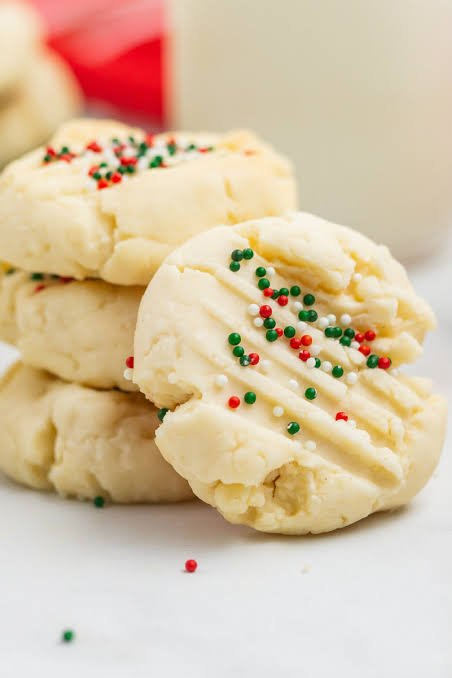
Homemade shortbread cookies are one of the simplest and most delicious treats you can prepare in your kitchen. Made with a handful of basic ingredients, these classic cookies are known for their rich buttery flavor, delicate sweetness, and tender, crumbly texture. Unlike many traditional cookie recipes, shortbread does not require eggs, baking powder, or complicated preparation techniques.
This easy shortbread cookies recipe uses butter, all-purpose flour, granulated sugar, and a small amount of salt. The ingredients come together to create a dough that can be shaped into rounds, squares, fingers, or decorative cookies. After a short baking time, the cookies develop lightly golden edges and a delicate texture that practically melts in your mouth.
Shortbread originated in Scotland and has become popular around the world. It is often served with tea, coffee, or hot chocolate and is especially common during holidays, family gatherings, and special occasions. Although commercial shortbread is widely available, homemade cookies offer fresher flavor and allow you to control the ingredients and sweetness.
One of the biggest advantages of this recipe is its versatility. You can enjoy classic buttery shortbread or add vanilla, lemon zest, chocolate, cinnamon, almonds, or other ingredients to create different flavors. The dough can also be prepared ahead of time, making it convenient for busy days and holiday baking.
In this complete guide, you will learn how to make easy shortbread cookies with butter and flour, how to achieve the ideal texture, how to prevent spreading, how to store the cookies, and how to troubleshoot common baking problems.
What Are Shortbread Cookies?
Shortbread cookies are traditional butter-based biscuits made primarily from flour, butter, and sugar. They are known for their rich flavor, simple ingredient list, and delicate texture.
Unlike many cookies that rely on eggs and chemical leavening agents, classic shortbread generally contains neither. Butter provides richness and tenderness, sugar contributes sweetness and structure, and flour forms the main body of the cookie.
The word short in baking traditionally refers to a crumbly or tender texture. This happens because fat limits the development of gluten in the flour. When the dough is mixed correctly, the result is a cookie that breaks cleanly and feels delicate rather than chewy.
Traditional Scottish shortbread is commonly shaped into three forms:
- Petticoat tails: Large round cookies divided into triangular wedges.
- Shortbread fingers: Rectangular cookies cut into long strips.
- Shortbread rounds: Small circular cookies suitable for serving with tea.
Modern home bakers also make shortbread squares, hearts, stars, and other decorative shapes.
Although shortbread may look similar to sugar cookies, the two are different. Sugar cookies commonly contain eggs and may use baking powder, producing a different texture. Shortbread relies on butter for its distinctive richness and crumbly finish.
Why You Will Love This Easy Shortbread Cookies Recipe
This recipe is suitable for beginners and experienced bakers alike.
1. Only a Few Basic Ingredients
You do not need a long shopping list. Butter, flour, sugar, and salt are enough to create a classic batch.
2. No Eggs Required
The recipe does not require eggs, making ingredient preparation straightforward. However, always check the labels of any optional additions if you need to avoid egg contamination.
3. Rich Butter Flavor
Butter is the main flavor in shortbread. Using good-quality butter gives the cookies a delicious aroma and satisfying richness.
4. Simple Preparation
You do not need an electric mixer, although one can make the process easier. A bowl, spoon, and your hands are enough for a basic batch.
5. Easy to Customize
Add vanilla, citrus zest, chocolate, cinnamon, or chopped nuts to create different flavors without changing the fundamental recipe too much.
6. Perfect for Tea and Coffee
The cookies are delicious with black tea, green tea, coffee, espresso, and hot chocolate.
7. Great for Homemade Gifts
Shortbread cookies hold their shape well when properly baked and cooled. They can be arranged in tins or food-safe gift boxes for holidays, birthdays, and other occasions.
8. Convenient for Make-Ahead Baking
The dough can be chilled before baking, and baked cookies can be stored in an airtight container for later enjoyment.
Easy Shortbread Cookies Recipe at a Glance
| Recipe Detail | Information |
|---|---|
| Recipe name | Easy Butter Shortbread Cookies |
| Cuisine | Scottish-inspired |
| Course | Dessert or snack |
| Preparation time | 15–20 minutes |
| Chilling time | 30 minutes |
| Baking time | 12–18 minutes |
| Total estimated time | 1 hour |
| Yield | Approximately 24 cookies |
| Difficulty | Easy |
| Main ingredients | Butter, flour, sugar, salt |
| Texture | Tender, crumbly, buttery |
| Best served with | Tea, coffee, or hot chocolate |
The final yield depends on the size and thickness of your cookies.
Ingredients for Homemade Shortbread Cookies
The following ingredients produce a classic shortbread with a rich butter flavor and a delicate crumb.
1. Unsalted Butter — 1 Cup
Butter is the most important ingredient in shortbread. It gives the cookies their rich flavor and tender texture.
Use butter that is softened but not melted. Softened butter should yield slightly when pressed with a finger while still holding its shape.
If the butter is too cold, it will be difficult to combine evenly with the sugar. If it is melted or excessively warm, the dough may become greasy and the cookies may spread too much.
Unsalted butter is recommended because it allows you to control the salt level. If you only have salted butter, you can use it and reduce or omit the additional salt.
For the best flavor, choose butter you enjoy eating on its own. Because shortbread contains relatively few ingredients, the taste of the butter is especially noticeable.
2. All-Purpose Flour — 2 Cups
All-purpose flour provides the structure of the cookies.
Measure it accurately because too much flour can make the dough dry and crumbly, while too little may cause the cookies to spread or lose their shape.
If possible, use a kitchen scale. If you are measuring with cups, fluff the flour first, spoon it into the measuring cup, and level the top with a straight edge.
Avoid pressing flour into the cup.
3. Granulated Sugar — ½ Cup
Granulated sugar adds sweetness and helps create the classic shortbread texture.
This amount produces cookies that are pleasantly sweet without overpowering the buttery flavor.
You can experiment with a slightly finer sugar if you prefer a smoother texture. However, powdered sugar and granulated sugar do not behave exactly the same way, so replacing one with the other can change the final result.
4. Salt — ¼ Teaspoon
Salt balances the sweetness and enhances the flavor of the butter.
If you use salted butter, start with a smaller amount or omit the added salt depending on your preference.
5. Vanilla Extract — 1 Teaspoon, Optional
Vanilla adds warmth and makes the cookies smell especially inviting.
Classic shortbread does not require vanilla, but it is a popular addition in many modern recipes.
For a traditional buttery flavor, use a small amount. For a stronger vanilla aroma, you can increase it slightly, keeping in mind that too much liquid can affect the dough.
Optional Ingredients for Extra Flavor
The basic recipe is delicious on its own, but a few additions can create interesting variations.
- Lemon zest: Add 1 teaspoon for a bright citrus flavor.
- Orange zest: Add 1 teaspoon for a sweet, fragrant variation.
- Mini chocolate chips: Add ¼–⅓ cup for a chocolatey version.
- Ground cinnamon: Add ¼ teaspoon for gentle warmth.
- Finely chopped almonds: Add ¼ cup for extra texture.
- Cocoa powder: Replace a small portion of the flour with unsweetened cocoa powder.
- Finely chopped pistachios: Add a small handful for a nutty flavor.
- Dried lavender intended for culinary use: Use a very small amount for a floral variation.
Keep additional ingredients moderate. Too many additions can make the dough difficult to shape and may affect how evenly the cookies bake.
Equipment Needed
Prepare the following equipment before beginning:
- One large mixing bowl
- A wooden spoon or electric mixer
- Measuring cups and spoons
- A kitchen scale, if available
- A baking sheet
- Baking parchment
- A rolling pin, if rolling the dough
- A sharp knife or cookie cutters
- A cooling rack
If you do not have a rolling pin, you can shape the dough into a log and slice it into rounds.
Step-by-Step Instructions for Easy Shortbread Cookies
Follow these instructions to prepare buttery shortbread cookies with a tender, crumbly texture.
Step 1: Prepare the Oven and Baking Sheet
Preheat the oven to 325°F (165°C).
Line a baking sheet with parchment paper.
Parchment helps prevent the cookies from sticking and makes cleanup easier. It also provides a consistent surface for baking.
If you are using multiple baking sheets, prepare them before shaping the dough so the cookies can be transferred easily.
Step 2: Soften the Butter
Place the butter in a large mixing bowl.
If the butter has just come out of the refrigerator, allow it to soften at room temperature until it is pliable.
Avoid melting the butter in the microwave. Melted butter changes the dough’s consistency and can lead to excessive spreading.
If you need to soften butter quickly, cut it into small cubes and leave it on the counter for several minutes.
Step 3: Cream the Butter and Sugar
Add the granulated sugar to the softened butter.
Beat or stir the ingredients until they are smooth and evenly combined.
Using an electric mixer on a low-to-medium setting can make this step easier, but a sturdy spoon also works.
For shortbread, you do not need to whip the mixture as extensively as you might for a cake. The goal is to distribute the sugar through the butter and create a smooth base without making the mixture excessively airy.
Scrape down the sides of the bowl if necessary.
Step 4: Add the Vanilla and Salt
Add the vanilla extract, if using, and the salt.
Mix until evenly distributed.
If you are using salted butter, taste and adjust your approach in future batches rather than adding too much salt automatically.
The mixture should smell pleasantly buttery and slightly sweet.
Step 5: Add the Flour Gradually
Add the flour in two or three portions.
Stir gently after each addition until the flour begins to form a soft dough.
At first, the mixture may look sandy or crumbly. Continue mixing carefully until you can press a portion between your fingers and it holds together.
Do not keep mixing for a long time after the dough forms. Excessive mixing can develop gluten, which may make the cookies tougher.
If the dough seems dry, press it together gently before deciding to add any liquid. Shortbread dough often comes together through gentle handling.
Step 6: Bring the Dough Together
Use your hands to gather the dough into a cohesive mass.
Press the loose crumbs together rather than kneading the dough like bread.
The finished dough should feel soft but not greasy. It should hold its shape when pressed and should not stick heavily to your fingers.
If the dough is too warm, wrap it and chill it briefly. If it is extremely dry and will not hold together, check that the flour was measured correctly before making any adjustments.
Step 7: Chill the Dough
Wrap the dough in food-safe plastic wrap or place it in a covered container.
Refrigerate for approximately 30 minutes.
Chilling helps firm the butter, making the dough easier to roll and cut. It can also help reduce spreading during baking.
If you are making slice-and-bake cookies, shape the dough into a log before chilling.
Do not leave the dough uncovered in the refrigerator, as it may dry out or absorb odors from other foods.
Step 8: Choose Your Cookie Shape
There are several ways to shape shortbread.
Option A: Round cookies
Roll the dough into a log and slice it into evenly sized rounds.
Option B: Traditional fingers
Roll the dough into a rectangle and cut it into long strips.
Option C: Decorative shapes
Roll the dough to approximately ¼–⅜ inch thick and use cookie cutters to create hearts, stars, or circles.
Option D: Simple squares
Press the dough into a shallow rectangle and cut it into squares with a sharp knife.
For your first batch, rounds or fingers are usually easiest because they require minimal shaping.
Step 9: Arrange the Cookies on the Baking Sheet
Place the shaped cookies on the prepared baking sheet.
Leave a little space between each cookie. Shortbread usually spreads less than many other cookie types, but it still needs room for even baking.
If you are making fingers or squares, try to keep them similar in thickness.
For a traditional appearance, use a fork to prick the surface of each cookie lightly. These small holes are decorative and can help create the familiar shortbread look.
Avoid pressing too deeply or breaking the cookies while doing this.
Step 10: Bake the Cookies
Bake for approximately 12–18 minutes at 325°F (165°C).
The exact baking time depends on cookie thickness and size.
Look for edges that are just beginning to turn pale golden. The centers should remain relatively light rather than becoming deeply brown.
Shortbread should not be baked until dark like some chocolate chip cookies. Excessive browning can create a bitter flavor and a harder texture.
If your oven has uneven heat, rotate the baking sheet carefully partway through baking.
Step 11: Check for Doneness
The cookies are ready when they feel set and the edges show a light golden color.
They may still feel delicate when hot. This is normal.
Avoid lifting them immediately if they are very soft, as they can break before the butter cools and the structure firms.
If the centers look wet or the cookies appear completely raw, give them a few additional minutes and check again.
Step 12: Cool on the Baking Sheet
Remove the baking sheet from the oven.
Let the cookies rest on the sheet for approximately 5–10 minutes.
This resting period allows the butter to firm and the cookies to become easier to handle.
Transfer them gently to a cooling rack and allow them to cool completely.
Do not stack the cookies while warm because they may break or trap moisture between layers.
Step 13: Serve or Store
Once completely cool, serve the shortbread with tea, coffee, or your favorite beverage.
If you are saving them for later, place them in an airtight container.
For the best texture, keep them away from humid environments and do not package them while warm.
What Makes Perfect Shortbread Cookies?
A successful batch should have the following characteristics.
Rich Buttery Flavor
Butter should be the main flavor. The cookies should taste rich without being greasy.
Delicate, Crumbly Texture
Shortbread should break cleanly and feel tender. It should not be excessively chewy or bread-like.
Light Golden Edges
The edges may become lightly golden while the centers remain pale.
Balanced Sweetness
Shortbread is usually moderately sweet. The sugar should complement the butter rather than dominate the flavor.
Clean Shape
The cookies should hold their shape with minimal spreading. Minor differences between homemade cookies are normal.
Important Tips for the Best Homemade Shortbread
Use Properly Softened Butter
Butter that is too cold will be difficult to mix, while butter that is melted may produce greasy dough and excessive spreading.
Aim for butter that is soft enough to press but still holds its shape.
Measure Flour Correctly
Overmeasuring flour is one of the most common reasons shortbread becomes dry.
Use a kitchen scale when possible. Otherwise, spoon flour into the measuring cup and level it off.
Avoid Overmixing
Once the dough comes together, stop mixing.
Excessive mixing can develop gluten and make the cookies tougher.
Chill the Dough Before Baking
Chilling helps firm the butter and makes shaping easier.
It is especially useful when cutting decorative shapes or making slice-and-bake rounds.
Keep the Cookies Similar in Size
Uniform cookies bake more evenly. Thin cookies may finish before thicker ones, so try to keep the dough at a consistent thickness.
Bake at a Moderate Temperature
A moderate oven temperature allows the cookies to bake gently without becoming too dark too quickly.
If your oven runs hot, use an oven thermometer to check its accuracy.
Do Not Wait for Deep Browning
Shortbread is often done when the edges are only lightly golden.
If you wait until the entire cookie is dark brown, the texture may become too hard and the flavor may be overly toasted.
Allow the Cookies to Cool
Shortbread is delicate when hot. Cooling allows the butter to firm and the texture to stabilize.
Choose Good-Quality Butter
Since butter is the main ingredient, its flavor matters. Fresh butter generally gives better results than butter that has absorbed odors or developed an off flavor.
Common Shortbread Cookie Problems and Solutions
Even an easy recipe can produce unexpected results. These troubleshooting tips can help.
Problem 1: The Dough Is Too Crumbly
Shortbread dough can look crumbly before it comes together, but it should hold when pressed.
Possible causes:
- Too much flour
- Butter that is too cold
- Insufficient mixing
- Incorrect ingredient measurements
Solution:
Press the dough gently with your hands. If it remains loose, allow it to sit briefly at room temperature and try again.
If it still refuses to hold together, check your measurements. A very small amount of softened butter may help, but add it gradually rather than changing the recipe substantially.
Problem 2: The Dough Is Too Soft
Soft dough may be difficult to roll or cut cleanly.
Possible causes:
- Butter that is too warm
- A warm kitchen
- Insufficient chilling
Solution:
Wrap the dough and refrigerate it for 20–30 minutes. If it becomes too firm to roll, let it rest briefly at room temperature.
Problem 3: The Cookies Spread Too Much
Shortbread should generally maintain its shape.
Possible causes:
- Melted butter
- Dough that was too warm
- Too little flour
- An oven that was not fully preheated
Solution:
Chill the dough before baking. Measure the ingredients carefully and make sure the oven reaches the correct temperature.
Problem 4: The Cookies Are Too Hard
Shortbread can become hard if it contains too much flour or is baked too long.
Solution:
Measure flour carefully and reduce the baking time slightly. Remove the cookies when the edges are just beginning to turn golden.
Problem 5: The Cookies Fall Apart
Shortbread is naturally crumbly, but it should hold together when cooled.
Possible causes:
- Excessive flour
- Inadequate mixing
- Moving the cookies while hot
- Cookies that are too thin
Solution:
Let the cookies rest on the baking sheet for 5–10 minutes before moving them. If the dough itself is too dry, recheck the ingredient measurements.
Problem 6: The Cookies Taste Bland
Shortbread relies on the quality and balance of a few ingredients.
Solution:
Use fresh butter, add the recommended amount of salt, and consider vanilla extract or a little citrus zest. Avoid increasing flavorings excessively because they can change the dough’s balance.
Problem 7: The Bottoms Burn Before the Centers Bake
This may happen when the baking sheet is too thin, the oven temperature is too high, or the cookies are placed too low in the oven.
Solution:
Use the middle rack, line the sheet with parchment, and check your oven temperature. A heavier baking sheet can also help.
Problem 8: The Cookies Are Greasy
Greasy cookies may result from butter that was melted or excessively warm.
Solution:
Use softened rather than melted butter. Chill the dough before baking and avoid leaving shaped cookies in a warm room for too long.
Problem 9: The Cookies Lose Their Shape
Decorative shapes may become distorted if the dough is too warm or too soft.
Solution:
Chill the dough before cutting and, if necessary, chill the shaped cookies briefly before placing them in the oven.
Problem 10: The Cookies Are Too Sweet
If you prefer less sweetness, you can experiment with a modest reduction in sugar.
Start with a small change because sugar affects both flavor and texture. Do not remove most of the sugar without testing a specifically designed low-sugar recipe.
Delicious Shortbread Cookie Variations
Once you understand the basic recipe, you can create many different flavors.
1. Classic Scottish-Style Shortbread
Keep the ingredient list simple and focus on the buttery flavor.
Use butter, flour, sugar, and salt. Shape the dough into fingers or a round and prick the surface with a fork before baking.
This is an excellent starting point if you want a traditional taste.
2. Vanilla Shortbread Cookies
Add 1 teaspoon of vanilla extract to the butter and sugar mixture.
Vanilla creates a warm aroma and works well with coffee, tea, and milk.
3. Lemon Shortbread Cookies
Add 1 teaspoon of finely grated lemon zest.
The citrus aroma provides a refreshing contrast to the rich butter. For a stronger lemon flavor, use a light lemon glaze after the cookies cool.
4. Orange Shortbread Cookies
Add 1 teaspoon of finely grated orange zest.
Orange shortbread pairs well with black tea and can be served during holiday gatherings.
Avoid grating the bitter white pith beneath the orange peel.
5. Chocolate Chip Shortbread
Fold ¼–⅓ cup of mini chocolate chips into the dough.
Mini chips are often easier to work with than large chunks because they distribute more evenly throughout the cookies.
Chill the dough before shaping if the chocolate makes it difficult to handle.
6. Chocolate-Dipped Shortbread
Prepare and cool the basic shortbread cookies.
Melt dark or milk chocolate according to the package instructions and dip one end of each cookie into the chocolate.
Place the cookies on parchment paper until the chocolate sets.
Make sure the cookies are completely cool before dipping to prevent the chocolate from becoming too runny.
7. Cinnamon Shortbread
Add ¼ teaspoon of ground cinnamon to the flour.
This creates a warm flavor that is especially enjoyable in colder weather.
You can combine cinnamon with a small amount of orange zest for a more complex taste.
8. Almond Shortbread
Add ¼ cup of finely chopped almonds.
For a more pronounced flavor, use a small amount of almond extract in place of some of the vanilla.
Avoid adding too many nuts, as they may weaken the structure of the dough.
9. Pistachio Shortbread
Add approximately ¼ cup of finely chopped pistachios.
Pistachios contribute a mild nutty flavor and attractive color. They pair well with lemon or orange zest.
10. Coconut Shortbread
Add a modest amount of unsweetened desiccated coconut.
Coconut creates a different texture and aroma. If using sweetened coconut, remember that it will increase the sweetness.
11. Brown Sugar Shortbread
Replace part of the granulated sugar with brown sugar.
Brown sugar adds a caramel-like flavor, but its moisture content may change the texture. Start with a small substitution and evaluate the results.
12. Coffee Shortbread
Add a small amount of instant espresso powder to the flour.
Coffee shortbread is a good choice for serving with tea or as part of a dessert platter.
Use a modest amount so the coffee flavor does not overpower the butter.
13. Cranberry Shortbread
Add a small amount of finely chopped dried cranberries.
The fruit provides a tart contrast to the rich cookie. Chop the cranberries into small pieces so they do not interfere with shaping.
14. Holiday Shortbread
Combine orange zest, a little cinnamon, and finely chopped pistachios or almonds.
Use festive cookie cutters to create stars, hearts, or other seasonal shapes.
15. Gluten-Free Shortbread
Use a gluten-free baking blend designed to replace all-purpose flour.
Choose a blend suitable for cookies and follow the package guidance. The dough may require a different amount of liquid or chilling time, so a tested gluten-free shortbread formula will generally produce the most reliable result.
16. Dairy-Free Shortbread
Use a plant-based butter alternative formulated for baking.
Choose a product with a reasonably firm texture rather than a spread intended to remain soft in the refrigerator.
Because plant-based fats vary in water content, the dough may behave differently. Chilling can help, but a tested dairy-free recipe is best for consistent results.
17. Cardamom Shortbread
Add a small pinch of ground cardamom to the flour.
Cardamom provides a warm, aromatic flavor that pairs well with tea and citrus.
18. Maple-Flavored Shortbread
Use a small amount of maple extract or a recipe formulated with maple syrup.
Maple syrup adds liquid, which can change the dough’s consistency. Maple extract is often easier to use when you want to preserve the classic shortbread texture.
How to Shape Shortbread Cookies
The shape of a shortbread cookie affects its appearance and baking time.
Shortbread Fingers
Roll the dough into a rectangle and cut it into long strips.
Fingers are easy to make and convenient to serve with tea.
Round Shortbread Cookies
Shape the dough into a log, chill it until firm, and slice it into rounds.
Try to cut the slices to a consistent thickness.
Shortbread Squares
Press the dough into a rectangle and cut it into evenly sized squares.
This method works well when you want simple, uniform cookies without using cookie cutters.
Decorative Shortbread
Roll the chilled dough and use cookie cutters to create shapes.
Keep the dough cool so the edges remain neat. If the cut shapes become soft while you work, return them to the refrigerator briefly.
Traditional Round Shortbread
Press the dough into a round shape and score it into triangular sections before baking.
Prick the surface with a fork for a classic appearance. Depending on the thickness, the large round may need a longer baking time than individual cookies.
How to Make Shortbread Cookies Without an Electric Mixer
An electric mixer is convenient, but it is not necessary.
Place the softened butter and sugar in a bowl. Use a wooden spoon to mix them until evenly combined.
Add the vanilla and salt, then gradually stir in the flour.
When the mixture becomes too firm to stir easily, use your hands to press the dough together gently.
The most important point is to avoid kneading it excessively. Shortbread requires gentle handling, not the extensive kneading used for bread dough.
If the butter is properly softened, the entire recipe can be prepared with simple kitchen equipment.
How to Make Shortbread Cookies Ahead of Time
Shortbread dough can be prepared ahead, which is useful when planning for guests or special occasions.
Preparing Dough in Advance
Make the dough according to the recipe, then wrap it securely or place it in a covered container.
Refrigerate it until you are ready to shape and bake. If the dough becomes very firm, allow it to soften slightly before rolling.
Preparing Slice-and-Bake Dough
Shape the dough into a log, wrap it tightly, and refrigerate it.
When ready to bake, unwrap the log and slice it into even rounds.
This approach saves time and makes it easy to bake a small batch whenever you want fresh cookies.
Freezing the Dough
Shortbread dough can generally be frozen when wrapped securely.
For convenience, shape it into a log before freezing. Thaw it in the refrigerator until it is firm but sliceable, then cut and bake according to the recipe.
Alternatively, freeze shaped cookies on a tray before transferring them to a freezer-safe container. Bake from chilled or partially frozen according to how the dough behaves, checking for doneness rather than relying only on the original timing.
How to Store Homemade Shortbread Cookies
Proper storage helps preserve the buttery flavor and delicate texture.
Room-Temperature Storage
Once the cookies have cooled completely, place them in an airtight container.
Store the container in a cool, dry cupboard away from direct sunlight and heat.
For best quality, enjoy the cookies within approximately one to two weeks. The exact storage life depends on the ingredients, baking conditions, and environment.
Can Shortbread Be Refrigerated?
Refrigeration is generally unnecessary for plain shortbread cookies.
A refrigerator can expose cookies to moisture and odors. A cool, dry cupboard is usually suitable when the cookies are properly baked and stored in an airtight container.
If your recipe includes perishable fillings or toppings, follow the storage requirements for those ingredients.
Can Shortbread Cookies Be Frozen?
Yes. Fully cooled shortbread cookies can be frozen in an airtight, freezer-safe container.
Place parchment paper between layers to reduce sticking and breakage.
For best quality, use frozen cookies within approximately two to three months.
How to Thaw Frozen Shortbread
Remove the cookies from the freezer and allow them to return to room temperature while protected from humid air.
Keep them covered as they thaw to help prevent condensation from collecting directly on the cookies.
Once thawed, serve them as usual.
How to Keep Shortbread Fresh
- Cool the cookies completely before storage.
- Use a clean, dry, airtight container.
- Keep them away from moisture and direct heat.
- Avoid storing them with soft cookies that may transfer moisture.
- Handle delicate cookies gently.
- Separate layers with parchment paper.
Serving Ideas for Shortbread Cookies
Shortbread is versatile enough to serve with everyday drinks or as part of a more elaborate dessert.
With Black Tea
Classic shortbread and black tea make a simple, traditional pairing. The buttery flavor complements the tea without overpowering it.
With Green Tea
Plain or lemon shortbread works well with green tea when you prefer a lighter snack.
With Coffee
Serve the cookies alongside a cup of brewed coffee. Their buttery sweetness contrasts with coffee’s slightly bitter flavor.
With Espresso
A small shortbread cookie is a convenient accompaniment to espresso.
With Hot Chocolate
Shortbread provides a delicate, crumbly contrast to rich hot chocolate.
With Ice Cream
Crumble the cookies over vanilla ice cream or serve them whole alongside a scoop.
With Fresh Fruit
Serve shortbread with sliced strawberries, raspberries, or other fresh fruit for a simple dessert plate.
With Pudding
Use crushed shortbread as a topping for pudding or layered desserts.
As a Holiday Dessert
Arrange shortbread alongside other cookies, chocolates, and small pastries for a festive dessert tray.
Nutritional Information
The nutritional values of shortbread cookies depend on the amount of butter and sugar, the type of flour, and the final cookie size.
The following estimates are based on a batch made with one cup of butter, two cups of flour, and half a cup of sugar, divided into approximately 24 cookies.
| Nutrient | Approximate Amount Per Cookie |
|---|---|
| Calories | 125–150 |
| Carbohydrates | 12–15 g |
| Fat | 8–10 g |
| Protein | 1–2 g |
| Sugar | 4–6 g |
| Fiber | Less than 1 g |
These are estimates rather than laboratory measurements. Actual values vary according to ingredient brands, cookie size, and any optional additions.
Shortbread is a rich baked treat, so serving size matters if you are monitoring your calorie or sugar intake. For more precise values, calculate nutrition using the exact quantities and the number of cookies produced by your batch.
Frequently Asked Questions About Shortbread Cookies
1. What Are the Three Main Ingredients in Shortbread?
The three main ingredients are butter, flour, and sugar.
Many recipes also include salt and optional flavorings such as vanilla. The simplicity of the ingredients is part of what gives shortbread its distinctive buttery flavor.
2. Why Do Shortbread Cookies Not Need Eggs?
Classic shortbread uses butter to provide richness and tenderness, while flour provides structure.
Eggs are not necessary for the basic dough. Their absence also contributes to the characteristic texture that differs from many other cookies.
3. What Is the Best Butter for Shortbread?
Unsalted butter is a good choice because it allows you to control the amount of salt.
Choose fresh butter with a flavor you enjoy. Since butter is a major ingredient, its quality has a noticeable effect on the finished cookies.
4. Can I Use Salted Butter Instead?
Yes. If salted butter is all you have, use it and reduce or omit the additional salt.
This helps prevent the cookies from becoming too salty.
5. Why Is My Shortbread Dough Crumbly?
The dough may be too dry because of excess flour, cold butter, or insufficient mixing.
Press the dough gently to see whether it holds together. If it remains very loose, check your measurements and allow the butter to soften slightly before making further adjustments.
6. Why Did My Shortbread Cookies Spread?
Cookies may spread if the butter is too warm, the dough is insufficiently chilled, or the flour measurement is inaccurate.
Chill the dough before baking and ensure that the oven has reached the correct temperature.
7. Should I Chill Shortbread Dough Before Baking?
Chilling is recommended because it firms the butter and makes the dough easier to handle.
It can also help decorative shapes retain their edges during baking.
8. How Do I Know When Shortbread Cookies Are Done?
Look for set centers and edges that are just beginning to turn pale golden.
Shortbread should generally remain relatively light. If the entire cookie becomes deeply brown, it may be overbaked.
9. Why Are My Shortbread Cookies Hard?
Too much flour, excessive mixing, or overbaking can produce hard cookies.
Measure accurately, handle the dough gently, and remove the cookies when the edges are lightly golden.
10. Can I Make Shortbread Without Vanilla?
Yes. Vanilla is optional.
A plain butter shortbread has a traditional flavor and does not require additional extracts.
11. Can I Replace Granulated Sugar With Powdered Sugar?
It is possible, but the texture may change.
Powdered sugar often creates a finer, more delicate crumb. Because it may contain added starch, a direct substitution does not always produce identical results.
For the most predictable outcome, follow the sugar type specified in your chosen recipe.
12. Can I Use Bread Flour for Shortbread?
All-purpose flour is generally preferable.
Bread flour contains more protein and can produce a tougher texture if the dough is overmixed. For tender, crumbly shortbread, use all-purpose flour unless you are following a recipe specifically designed for another flour.
13. How Thick Should Shortbread Cookies Be?
A thickness of approximately ¼–⅜ inch is a good starting point for cut-out cookies.
Thicker cookies may need additional baking time, while thinner cookies bake more quickly and can become fragile.
14. Can I Make Shortbread Cookies Without a Rolling Pin?
Yes. Shape the dough into a log and slice it into rounds, or press it into a rectangle and cut it into squares.
These methods are easy and do not require a rolling pin or cookie cutters.
15. Can I Add Chocolate Chips to Shortbread?
Yes. Mini chocolate chips work well because they are easy to distribute evenly.
Keep the amount moderate so the dough remains easy to shape.
16. How Long Do Homemade Shortbread Cookies Last?
They are generally best enjoyed within one to two weeks when stored in an airtight container in a cool, dry place.
Their quality depends on the recipe, moisture exposure, and storage conditions.
17. Can I Freeze Baked Shortbread Cookies?
Yes. Let them cool completely, then freeze them in a suitable airtight container.
Separate the layers with parchment paper to reduce breakage.
18. Are Shortbread Cookies Suitable for Beginners?
Yes. The basic recipe uses simple ingredients and does not require eggs, yeast, or complicated techniques.
The most important steps are measuring correctly, handling the dough gently, chilling it when needed, and avoiding overbaking.
19. What Is the Difference Between Shortbread and Sugar Cookies?
Shortbread usually contains a high proportion of butter and does not require eggs or baking powder.
Sugar cookies commonly include eggs and may use a leavening agent. They are often softer or more flexible, depending on the recipe, while shortbread is known for its buttery, crumbly texture.
20. Why Is My Shortbread Greasy?
The butter may have been melted or too warm, or the dough may have contained too much butter relative to the flour.
Use softened rather than melted butter, measure the ingredients carefully, and chill the dough before baking.
21. Can I Make Shortbread With Brown Sugar?
Yes, but the flavor and texture will change slightly.
Brown sugar adds a deeper caramel-like flavor and more moisture. Start by replacing only part of the granulated sugar if you want to experiment.
22. How Can I Make Shortbread More Flavorful?
Use fresh butter, include the appropriate amount of salt, and add a small amount of vanilla or citrus zest.
You can also experiment with chocolate, cinnamon, or nuts. Avoid adding too many ingredients at once because they may change the dough’s consistency.
23. Can I Make Shortbread Dairy-Free?
Yes, by using a suitable plant-based butter alternative and a recipe designed for dairy-free baking.
Different alternatives contain different amounts of water and fat, so the texture may vary from traditional shortbread.
24. Can I Make Shortbread Gluten-Free?
Yes. Use a suitable gluten-free baking blend and follow a recipe formulated for gluten-free shortbread.
Gluten-free flours behave differently from wheat flour, so a direct substitution may not always give the same texture.
25. What Is the Best Way to Package Shortbread as a Gift?
Allow the cookies to cool completely and place them in a clean, food-safe tin or box.
Use parchment paper between layers to reduce breakage. Keep the package away from moisture and heat to preserve the cookies’ texture.
Final Thoughts
Easy shortbread cookies are a timeless homemade treat that proves delicious baking does not need a complicated ingredient list. With butter, flour, sugar, and a little salt, you can create cookies that are rich, tender, and pleasantly crumbly.
The key to excellent shortbread is using properly softened butter, measuring the flour accurately, mixing the dough gently, and chilling it when necessary. Baking the cookies until their edges are just lightly golden helps preserve their delicate texture and buttery flavor.
Once you are comfortable with the basic recipe, you can experiment with vanilla, lemon zest, chocolate chips, cinnamon, almonds, pistachios, and other additions. You can also shape the dough into fingers, rounds, squares, or decorative cookies to suit different occasions.
Serve your homemade shortbread with tea, coffee, hot chocolate, or a simple dessert plate. Store the cooled cookies in an airtight container to help maintain their freshness and texture.
Whether you are baking for your family, preparing a snack for guests, or making homemade gifts, this easy shortbread cookies recipe is a reliable starting point for creating a classic treat in your own kitchen.