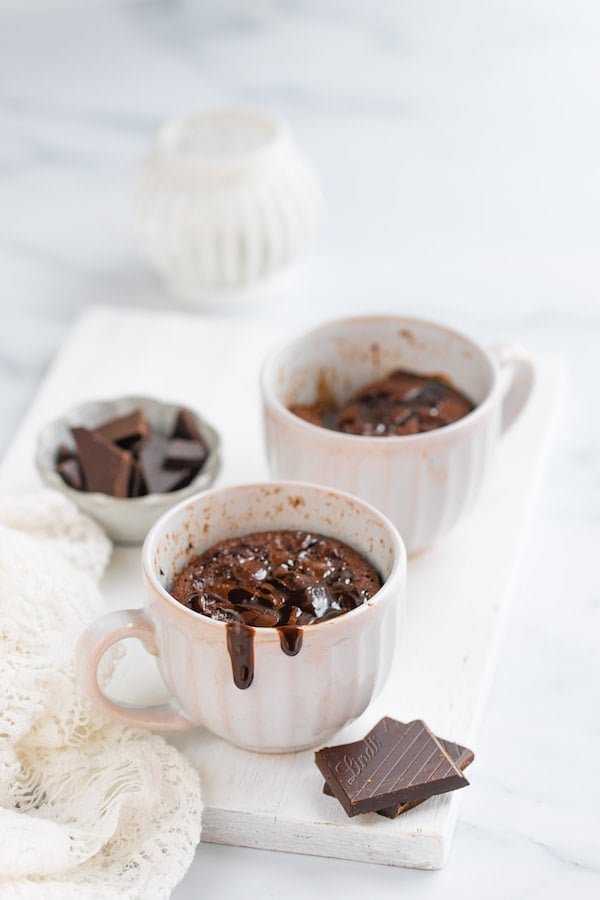
A five-minute microwave chocolate mug cake is one of the easiest desserts to prepare at home when you want something sweet, rich, and chocolatey without baking an entire cake. This simple recipe uses everyday pantry ingredients, requires no oven, and can be prepared in a microwave-safe mug. It is ideal for students, busy families, beginners, and anyone who wants a quick homemade chocolate dessert.
The best part about making a chocolate mug cake is that you can prepare and cook it in the same mug. There is no need for an electric mixer, complicated baking equipment, or hours of preparation. Simply combine the ingredients, microwave the batter, and enjoy a warm chocolate cake in minutes.
In this guide, you will learn how to make a soft and moist chocolate mug cake, which ingredients work best, how long to microwave it, how to avoid a rubbery texture, and how to customize the recipe with your favorite toppings.
What Is a Five-Minute Microwave Chocolate Mug Cake?
A microwave chocolate mug cake is a small, single-serving cake prepared in a mug and cooked in a microwave instead of a conventional oven. It uses many of the same ingredients as a traditional chocolate cake, including flour, cocoa powder, sugar, milk, oil, and baking powder.
Unlike a full-size cake, which may require 25–40 minutes in the oven, a mug cake cooks in approximately one to two minutes, depending on the microwave’s power and the amount of batter.
The phrase “five-minute chocolate mug cake” refers to the total preparation and cooking time. You can usually mix the ingredients in a couple of minutes and microwave the cake until it is cooked through.
This recipe is especially useful when you want a quick dessert without making a large batch. It also gives you the freedom to experiment with flavors, toppings, and fillings.
Why You Will Love This Chocolate Mug Cake Recipe
There are many reasons to add this easy microwave chocolate mug cake to your collection of favorite dessert recipes.
1. Ready in About Five Minutes
You do not need to wait for an oven to preheat or spend time preparing cake pans. The batter comes together quickly, and the microwave handles the cooking.
2. No Oven Required
This recipe is ideal for people who do not own an oven. A standard microwave and a microwave-safe mug are enough to prepare a satisfying chocolate dessert.
3. Made With Simple Ingredients
Most of the ingredients are common pantry staples. Flour, sugar, cocoa powder, milk, oil, and baking powder are usually easy to find at a grocery store.
4. Perfect for One Serving
Traditional cakes can leave you with leftovers for several days. A mug cake provides an individual portion, making it convenient when you only want a small dessert.
5. Easy for Beginners
You do not need advanced baking skills. Measuring the ingredients accurately, mixing the batter gently, and controlling the cooking time are the most important steps.
6. Easy to Customize
You can add chocolate chips, peanut butter, chopped nuts, caramel, vanilla extract, or a small scoop of ice cream to create different versions.
7. Minimal Cleanup
Because the batter is mixed directly in the mug, there are fewer dishes to wash afterward. You may only need a measuring spoon and fork or small whisk.
Ingredients for Five-Minute Microwave Chocolate Mug Cake
The following ingredients make one generous serving. For the most reliable results, measure them carefully.
| Ingredient | Quantity | Purpose |
|---|---|---|
| All-purpose flour | 4 tablespoons | Gives the cake structure |
| Unsweetened cocoa powder | 2 tablespoons | Provides the chocolate flavor |
| Granulated sugar | 2–3 tablespoons | Adds sweetness |
| Baking powder | 1/4 teaspoon | Helps the cake rise |
| Salt | A small pinch | Balances the sweetness |
| Milk | 4 tablespoons | Adds moisture |
| Neutral vegetable oil | 2 tablespoons | Helps keep the cake tender |
| Vanilla extract | 1/4 teaspoon | Enhances the flavor |
| Chocolate chips | 1 tablespoon, optional | Adds extra chocolate flavor |
You can use sunflower, canola, or another neutral-flavored oil. Whole milk produces a rich result, but low-fat milk can also work.
For a deeper chocolate flavor, use unsweetened cocoa powder rather than sweetened drinking chocolate powder. Drinking chocolate often contains additional sugar and may produce a different result.
Equipment You Need
You do not need special baking equipment for this recipe.
- One microwave-safe ceramic mug with a capacity of approximately 350–450 ml
- Measuring tablespoons and teaspoons
- A fork or small whisk
- A microwave
- A spoon for serving
Choose a mug that gives the batter enough room to rise. Filling a mug too close to the top can cause the cake to overflow during cooking.
Avoid metal mugs or containers with metallic decorations unless the manufacturer explicitly confirms they are microwave-safe. When in doubt, use a plain ceramic or glass container labeled for microwave use.
How to Make a Five-Minute Microwave Chocolate Mug Cake
Follow these steps for a quick chocolate cake with a soft, moist texture.
Step 1: Choose the Right Mug
Select a microwave-safe mug large enough to hold the batter as it rises. A mug with a capacity of at least 350 ml is a useful starting point.
The batter should generally fill no more than half the mug before cooking. This leaves room for the cake to expand.
A wider mug may cook the batter more evenly than a very narrow, deep mug. However, cooking time can vary according to the shape and material of the container.
Step 2: Combine the Dry Ingredients
Add the flour, cocoa powder, sugar, baking powder, and a small pinch of salt to the mug.
Use a fork or small whisk to mix them thoroughly. Break up any cocoa powder lumps before adding the liquid ingredients.
This step is important because unevenly distributed baking powder can affect how the cake rises. Mixing the dry ingredients first also reduces the chance of finding pockets of flour or cocoa in the finished cake.
Step 3: Add Milk, Oil, and Vanilla
Pour the milk into the mug, followed by the oil and vanilla extract.
Stir gently until the dry ingredients are incorporated into the liquid. Scrape the bottom and sides of the mug to make sure no dry flour remains.
The batter should be thick but pourable. If it looks extremely dry, check your measurements before adding more milk. If the batter is too thin, you may have used too much liquid.
Do not beat the batter for a long time. Overmixing can make a microwave cake dense or chewy.
Step 4: Add Chocolate Chips
If you want an extra-rich dessert, stir in the chocolate chips.
You can also sprinkle a few chips on top of the batter. As the cake cooks, some of the chocolate may soften and create delicious pockets of melted chocolate.
For a gooier center, place a small piece of chocolate in the middle of the batter without mixing it completely through.
Step 5: Microwave the Cake
Place the mug in the center of the microwave.
Start with approximately 60 seconds on high power if your microwave is around 1,000 watts. Check the cake, then continue cooking in 10–15-second intervals if necessary.
Many mug cakes take approximately 60–90 seconds, but lower-powered microwaves may need longer. A larger or deeper mug can also affect the cooking time.
Do not automatically cook the cake for two full minutes without checking it. Excessive microwave cooking is one of the most common reasons mug cakes become dry and rubbery.
Step 6: Check Whether the Cake Is Cooked
The surface should look mostly set, and the cake should have risen.
Gently inspect the center with a clean toothpick if you prefer a cake-like texture. It should come out without wet batter, although a few moist crumbs are acceptable.
If the center contains liquid batter, microwave it for another 10–15 seconds and check again.
Remember that the mug will be hot. Use an oven mitt or suitable heat protection when removing it from the microwave.
Step 7: Let It Rest
Allow the cake to rest for approximately one to two minutes before eating.
The mug and cake retain heat after cooking, and the center may continue to set slightly. Resting also reduces the risk of burning your mouth.
Step 8: Add Your Favorite Toppings
Enjoy the cake directly from the mug or transfer it to a small plate.
Some delicious topping ideas include:
- Vanilla ice cream
- Whipped cream
- Chocolate sauce
- Fresh strawberries
- Sliced bananas
- Chopped walnuts
- Peanut butter
- A light dusting of powdered sugar
A warm chocolate mug cake paired with cold vanilla ice cream creates a particularly enjoyable contrast in temperature and texture.
Tips for a Soft and Moist Chocolate Mug Cake
A microwave cake cooks quickly, so small differences in ingredient measurements and cooking time can make a noticeable difference.
Measure the Flour Correctly
Too much flour can produce a heavy cake. Spoon flour into the measuring spoon and level it off instead of pressing it tightly into the spoon.
If possible, use a kitchen scale for greater consistency.
Use Unsweetened Cocoa Powder
Unsweetened cocoa powder gives the cake a more balanced chocolate flavor. Dutch-process cocoa can also work, although the final flavor and color may differ.
Avoid Overmixing
Mix only until the ingredients are combined. A few small lumps are preferable to aggressively beating the batter for several minutes.
Do Not Overcook
Microwave cakes can go from moist to dry very quickly. Start with a shorter cooking time and add small intervals as needed.
Leave Room for Rising
The batter expands during cooking. An oversized mug helps prevent spills and gives the cake space to rise.
Use Room-Temperature Milk When Convenient
Cold milk is not a problem, but room-temperature milk may make it easier to combine the ingredients evenly.
Choose the Right Mug
A very narrow or unusually thick mug may cook differently from a standard ceramic mug. Once you discover a mug and cooking time that work well in your microwave, use them consistently.
Common Mistakes to Avoid
Using Too Much Flour
Excess flour makes the cake dense and dry. Measure carefully and avoid packing the flour into the spoon.
Adding Too Much Baking Powder
A small amount of baking powder is enough for a single-serving cake. Too much can create an unpleasant taste and cause the cake to rise rapidly and then collapse.
Using an Unsuitable Container
A container that is not microwave-safe may crack, become dangerously hot, or create other hazards. Always use a suitable mug.
Cooking for Too Long
The cake continues to retain heat after the microwave stops. Cook in short intervals and allow it to rest before deciding that it needs additional cooking.
Leaving Dry Flour at the Bottom
Incomplete mixing can leave an uncooked layer at the bottom of the mug. Scrape the sides and bottom as you mix.
Expecting an Oven-Baked Texture
Microwave cakes generally have a slightly different crumb from traditional oven-baked cakes. They can still be soft and delicious, but the texture is often more compact.
Filling the Mug Too High
A mug that is too small may overflow. Choose a larger mug or divide the batter between two smaller microwave-safe containers.
Easy Variations of Chocolate Mug Cake
One of the advantages of this recipe is that you can change the flavor without making an entirely new dessert.
1. Chocolate Mug Cake With a Molten Center
Prepare the batter as directed. Place one or two small squares of chocolate in the center and cover them lightly with batter.
Microwave until the surrounding cake is set. The center may remain soft and melted, depending on the chocolate and cooking time.
Because the center is intentionally gooey, use ingredients that are safe to eat without further cooking and avoid leaving raw batter containing untreated flour.
2. Peanut Butter Chocolate Mug Cake
Add one teaspoon of creamy peanut butter to the center of the batter before cooking.
The peanut butter creates a rich flavor that pairs well with cocoa. You can also swirl a small amount through the batter for a more even peanut flavor.
3. Chocolate Banana Mug Cake
Mash approximately two tablespoons of ripe banana and mix it into the batter.
Banana adds natural sweetness and moisture, but it also changes the consistency. You may need to adjust the milk slightly and check the cake carefully while cooking.
4. Chocolate Coffee Mug Cake
Add approximately 1/4 teaspoon of instant coffee granules to the dry ingredients.
Coffee can deepen the perceived chocolate flavor without making the cake taste strongly of coffee. If you prefer a noticeable coffee flavor, use a little more, according to your taste.
5. Chocolate Coconut Mug Cake
Add one tablespoon of finely shredded coconut to the batter.
Coconut adds texture and a mild tropical flavor. If the batter becomes too thick, adjust it with a small amount of milk.
6. Double Chocolate Mug Cake
Add one tablespoon of chocolate chips to the batter and sprinkle a few more on top before cooking.
This version is ideal for people who prefer an especially chocolatey dessert.
7. Dairy-Free Chocolate Mug Cake
Use an unsweetened plant-based milk, such as soy, oat, or almond milk, instead of dairy milk.
The result may vary slightly according to the milk’s fat content and sweetness. Check that the chocolate chips and other toppings are also dairy-free if you need the entire dessert to avoid dairy.
8. Egg-Free Chocolate Mug Cake
The basic recipe in this article does not require an egg. This is helpful because a whole egg can make a single-serving microwave cake rubbery when the batter is overcooked.
The flour, milk, oil, and baking powder provide the structure and moisture needed for this simple version.
9. Chocolate Cinnamon Mug Cake
Add a small pinch of ground cinnamon to the dry ingredients.
Cinnamon complements chocolate and gives the dessert a warm flavor. Use a small amount so that it does not overpower the cocoa.
10. Chocolate Hazelnut Mug Cake
Add a teaspoon of chocolate-hazelnut spread to the center of the batter or swirl it through before cooking.
This creates a sweeter, richer dessert. Since the spread already contains sugar and fat, consider reducing the added sugar slightly if you prefer a less sweet cake.
How to Make a Healthier Chocolate Mug Cake
A homemade mug cake can be adapted to suit different preferences, but changing ingredients may affect the texture.
Reduce the Sugar
Start with two tablespoons of sugar rather than three. Unsweetened cocoa powder provides a strong chocolate flavor that can balance a less-sweet recipe.
Reducing the sugar too much may affect moisture and texture, so experiment gradually.
Use Whole-Wheat Flour
You can replace some of the all-purpose flour with whole-wheat flour. For example, substitute one tablespoon of whole-wheat flour for one tablespoon of all-purpose flour.
Whole-wheat flour absorbs more liquid and produces a slightly denser result. You may need a little extra milk.
Add a Small Amount of Banana
Mashed ripe banana can replace some of the sweetness and contribute moisture. However, it changes the flavor and texture, so it is best used in a variation rather than added without adjusting the recipe.
Choose Suitable Toppings
Fresh fruit, a spoonful of plain yogurt, or a modest portion of nuts can be alternatives to heavy frosting.
Keep in mind that a homemade mug cake remains a dessert. Making it at home does not automatically make it low in sugar or calories.
Try a Smaller Portion
If you want less dessert, divide the batter between two small microwave-safe ramekins. Check them earlier because smaller portions may cook faster.
Chocolate Mug Cake Without Milk
If you have no milk available, you can still prepare a simple chocolate mug cake.
Replace the four tablespoons of milk with four tablespoons of water or an unsweetened plant-based milk.
Water produces a less creamy flavor, but the oil helps maintain some tenderness. Mix the batter as usual and cook in short intervals.
You can also use a suitable dairy-free beverage, although sweetened varieties may change the final sweetness.
Chocolate Mug Cake Without Oil
Oil helps keep the cake tender, so removing it entirely can produce a drier result.
If you want to reduce the oil, replace part of it with mashed banana or unsweetened applesauce. Start with a small substitution rather than removing all the oil at once.
For example, replace one tablespoon of oil with one tablespoon of applesauce and keep the remaining ingredients unchanged. The cake may be slightly denser, so check the cooking time carefully.
Can You Make Chocolate Mug Cake Without Baking Powder?
Baking powder helps the cake rise, so leaving it out will generally produce a flatter, denser dessert.
If you do not have baking powder, check whether you have a suitable alternative before changing the recipe. Baking soda is not a direct one-to-one substitute because it needs an appropriate acidic ingredient to react effectively.
For the most predictable results, use the small amount of baking powder specified in the recipe.
How to Store Chocolate Mug Cake
Chocolate mug cake is best eaten immediately after cooking because microwave cakes tend to lose moisture as they cool.
If you have leftovers, allow the cake to cool, cover it, and refrigerate it promptly in a suitable container. For food safety, do not leave perishable foods at room temperature for more than two hours, or one hour when the temperature is above 32°C.
Consume refrigerated leftovers within approximately three to four days, provided they were handled and stored safely. However, the texture of this small cake is likely to be best on the day it is prepared.
For reheating, use short microwave intervals and check the temperature. Reheating for too long can make the cake tough.
Freezing is possible, but it may change the texture. If you want to freeze a portion, wrap it securely after cooling and thaw it in the refrigerator before reheating.
What to Serve With Chocolate Mug Cake
Although the cake is delicious on its own, a suitable accompaniment can make it feel more special.
Vanilla ice cream: The cold, creamy texture balances the warm chocolate cake.
Fresh strawberries: Their mild acidity complements the richness of cocoa.
Sliced bananas: Bananas work especially well with chocolate, peanut butter, and nuts.
Whipped cream: A small spoonful adds a light, creamy finish.
Chopped nuts: Walnuts, almonds, and hazelnuts provide crunch.
Fresh coffee: A cup of coffee pairs naturally with chocolate desserts.
Cold milk: A simple glass of milk is a classic accompaniment, especially for children and anyone who enjoys a traditional chocolate flavor.
For a more attractive presentation, add one topping and a light dusting of cocoa powder or powdered sugar immediately before serving.
Troubleshooting Your Microwave Chocolate Mug Cake
| Problem | Possible Cause | Solution |
|---|---|---|
| Cake is dry | Overcooking or too much flour | Reduce cooking time and measure flour carefully |
| Cake is rubbery | Overmixing or excessive cooking | Mix gently and cook in short intervals |
| Cake does not rise | Old baking powder or incorrect measurement | Use fresh baking powder and measure accurately |
| Cake overflows | Mug is too small or batter is excessive | Use a larger mug and leave room for rising |
| Center is raw | Insufficient cooking | Continue in 10–15-second intervals |
| Cake tastes bitter | Too much cocoa or insufficient sugar | Measure cocoa accurately and adjust sweetness |
| Cake is dense | Excess flour or too much liquid | Check measurements and mix only until combined |
| Cake has dry pockets | Ingredients were not mixed thoroughly | Scrape the bottom and sides of the mug |
Frequently Asked Questions
1. Can I really make a chocolate mug cake in five minutes?
Yes. Most of the preparation takes only a few minutes, and microwave cooking usually takes around one to two minutes. The exact time depends on your microwave’s wattage, the mug, and the batter’s consistency.
2. What is the best microwave power for a mug cake?
High power is a useful starting point for a standard recipe. However, microwave wattage varies. Start with approximately 60 seconds in a 1,000-watt microwave and add short intervals until the cake is set.
3. Why is my chocolate mug cake rubbery?
A rubbery texture usually results from overcooking, excessive mixing, or incorrect ingredient proportions. Measure carefully, stir gently, and avoid cooking the cake for longer than necessary.
4. Can I make this recipe without eggs?
Yes. The recipe provided is already egg-free. It uses flour, milk, oil, and baking powder to create a simple cake texture.
5. Can I use drinking chocolate instead of cocoa powder?
You can experiment with drinking chocolate, but it usually contains sugar and may contain milk powder. The cake may become sweeter and less intensely chocolatey. Adjust the sugar if necessary.
6. Which mug is best for microwave cake?
Use a microwave-safe ceramic or glass mug with enough room for the cake to rise. A capacity of approximately 350–450 ml is a practical choice for this recipe.
7. Can I double the recipe?
Yes, but it is usually better to divide a doubled recipe between two mugs rather than cooking all the batter in one mug. A larger amount of batter may cook unevenly and require a different cooking time.
8. Can I make the batter ahead of time?
For the best rise and texture, prepare and cook the batter immediately after mixing. Once the wet and dry ingredients are combined, the baking powder begins reacting, and delaying cooking may affect the result.
9. Can I make a mug cake without cocoa powder?
You can create a vanilla mug cake by leaving out the cocoa, but the recipe will need adjustments because cocoa contributes both flavor and dry matter. A dedicated vanilla mug cake recipe will usually give more reliable results.
10. Is a microwave chocolate mug cake suitable for children?
Children can enjoy this dessert, but an adult should handle the hot mug and check the cake’s temperature before serving. The center and container can remain very hot even after the microwave stops.
11. How do I make the center gooey?
Place a small piece of chocolate in the center of the batter before cooking. Stop when the surrounding cake is set, while remembering that intentionally undercooked flour batter should not be eaten.
12. Can I cook the cake in a glass bowl instead of a mug?
Yes, provided the bowl is labeled microwave-safe and has sufficient room for the batter to rise. The cooking time may change depending on the bowl’s shape and depth.
13. Can I use butter instead of oil?
Yes. Melted butter can replace the oil in a similar quantity. It gives the cake a buttery flavor, although the texture may differ slightly as it cools.
14. How can I make the cake less sweet?
Use two tablespoons of sugar, unsweetened cocoa powder, and unsweetened milk. If you add sweetened chocolate chips or chocolate spread, remember that these also contribute sugar.
15. Can I make a gluten-free chocolate mug cake?
You can try a gluten-free all-purpose flour blend designed for baking. Results depend on the blend, so follow any substitution guidance on its packaging and check the cake carefully during cooking.
Final Thoughts
A five-minute microwave chocolate mug cake is a convenient way to enjoy a homemade chocolate dessert without an oven, complicated equipment, or a long preparation process. With flour, cocoa powder, sugar, milk, oil, and baking powder, you can create a warm single-serving cake in just a few minutes.
For the best results, measure the ingredients accurately, mix the batter gently, use a suitably sized microwave-safe mug, and check the cake frequently while it cooks. Once you master the basic recipe, experiment with chocolate chips, peanut butter, banana, coffee, or your favorite toppings to create a dessert that suits your taste.