
Introduction
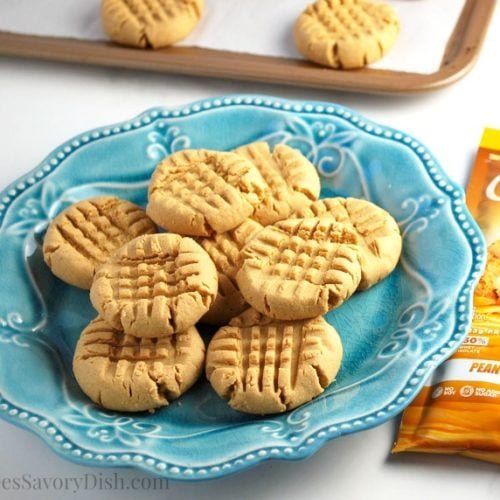
High-protein peanut butter cookies are a delicious option for people who want a satisfying homemade snack with a rich peanut flavor. They combine the familiar taste of peanut butter with ingredients that can contribute protein, making them a practical choice for busy mornings, afternoon snacks, lunchboxes, or a treat after exercise.
Store-bought protein snacks can be convenient, but homemade cookies give you more control over the ingredients, sweetness, texture, and serving size. You can prepare them with everyday pantry ingredients or add protein powder to increase their protein content. Depending on your preferences, you can make them soft and chewy, lightly crisp around the edges, or naturally sweetened with a small amount of honey or mashed banana.
The most important thing to understand is that not every peanut butter cookie is automatically high in protein. Traditional recipes often contain substantial amounts of sugar and butter without much additional protein. By choosing suitable ingredients and adjusting the recipe carefully, you can create cookies that provide more protein than a standard cookie while still tasting enjoyable.
In this guide, you will learn how to make high-protein peanut butter cookies from scratch, how to choose the right ingredients, how to improve their texture, and how to customize the recipe for different dietary preferences. You will also find storage advice, troubleshooting tips, and answers to common questions.
What Are High-Protein Peanut Butter Cookies?
High-protein peanut butter cookies are cookies made with peanut butter and other ingredients that contribute protein. These may include eggs, milk powder, protein powder, or additional nut and seed ingredients.
Peanuts naturally contain protein, and peanut butter retains much of the protein found in peanuts. Eggs and certain dairy ingredients can contribute additional protein, while protein powder can increase the total amount further.
The final protein content depends on the recipe, the brands of ingredients used, the size of each cookie, and how many servings the batch produces.
These cookies are different from ordinary peanut butter cookies because the recipe is designed to provide a more substantial amount of protein per serving. However, they remain a snack rather than a complete replacement for balanced meals.
You can enjoy them as part of a varied eating pattern, especially when you want something convenient and easy to prepare at home.
Why You Will Love This Recipe
There are several reasons to try this homemade high-protein peanut butter cookie recipe.
1. Rich Peanut Butter Flavor
Peanut butter provides a deep, nutty taste that works well with vanilla, cinnamon, chocolate, and other complementary flavors.
2. Simple Ingredients
The basic recipe uses familiar ingredients that are available in many grocery stores. You do not need complicated equipment or professional baking skills.
3. Customizable Protein Content
You can make the cookies with peanut butter and eggs or include protein powder to increase the protein content. The exact amount depends on the ingredients and serving size.
4. Convenient for Meal Preparation
The cookies can be prepared ahead of time and portioned for several days of snacks. They are easy to pack for work, school, travel, or a busy schedule, provided they are stored appropriately.
5. Easy to Adapt
You can create chocolate peanut butter cookies, oatmeal peanut butter cookies, banana peanut butter cookies, or dairy-free versions by changing selected ingredients.
6. More Control Over Sweetness
Making cookies at home allows you to decide how much sugar or other sweetener to use. You can also choose unsweetened peanut butter to control added sugar.
7. Beginner-Friendly Baking
This recipe does not require complicated techniques. You mainly need to combine the ingredients, shape the dough, and bake the cookies until they are set.
High-Protein Peanut Butter Cookies Recipe at a Glance
Preparation time
10–15 minutes
Baking time
9–13 minutes
Difficulty
Easy
Yield
Approximately 12 cookies
Oven temperature
175°C / 350°F
The final yield will vary depending on the size of your cookies. Smaller portions bake faster, while larger cookies may need additional time.
Ingredients for High-Protein Peanut Butter Cookies
This recipe uses peanut butter, egg, oats, and optional protein powder to create flavorful cookies with a more substantial protein contribution than many traditional cookie recipes.
Main Ingredients
| Ingredient | Amount | Purpose |
|---|---|---|
| Natural peanut butter | 1/2 cup | Main flavor, fat, and protein |
| Rolled oats, finely ground | 1/2 cup | Structure and texture |
| Large egg | 1 | Helps bind the dough and adds protein |
| Vanilla extract | 1 teaspoon | Enhances flavor |
| Honey or maple syrup | 2 tablespoons | Adds sweetness and moisture |
| Baking powder | 1/2 teaspoon | Helps provide a little lift |
| Salt | A small pinch | Balances the flavor |
| Protein powder, optional | 1/4 cup | Increases protein content |
For the most consistent results, use a peanut butter that can be stirred into a smooth mixture. Natural peanut butter may separate during storage, so stir it thoroughly before measuring.
The optional protein powder changes the texture and moisture balance. If you use it, follow the mixing guidance below rather than assuming the dough will behave exactly like a recipe without protein powder.
Optional Add-Ins
You can personalize the cookies with one or two of the following:
- 2 tablespoons dark chocolate chips
- 1 tablespoon chopped peanuts
- 1/2 teaspoon cinnamon
- 1 tablespoon ground flaxseed
- 1 tablespoon unsweetened cocoa powder
- 1–2 tablespoons raisins
- A small amount of shredded coconut
Keep additions moderate, especially if you are using protein powder. Too many dry ingredients can make the dough difficult to shape and the cookies dry after baking.
How to Choose the Best Peanut Butter
Peanut butter is the foundation of this recipe, so the type you choose matters.
Natural Peanut Butter
Natural peanut butter is often made primarily from peanuts, sometimes with a small amount of salt. It provides a strong peanut flavor and lets you control the amount of added sugar.
Some natural peanut butters separate into oil and solids during storage. Stir the product thoroughly before measuring so that the fat and peanut solids are distributed evenly.
Smooth Peanut Butter
Smooth peanut butter produces a more uniform dough and a relatively even cookie texture.
It is a convenient option if you prefer cookies without visible pieces of peanuts.
Crunchy Peanut Butter
Crunchy peanut butter contains peanut pieces that add texture. It can make the cookies more rustic and provide extra crunch.
If you choose crunchy peanut butter, you may want to avoid adding additional chopped nuts unless you particularly enjoy a very crunchy cookie.
Peanut Butter With Added Sugar
Some commercial peanut butters contain added sugar, salt, or oils. These products can work, but they may change the sweetness and consistency of the recipe.
Read the ingredient label and consider reducing the additional sweetener if your peanut butter is already sweetened.
Avoiding Peanut Butter That Is Too Runny
If your peanut butter is unusually oily or runny, the dough may spread more during baking.
Stir the product thoroughly and allow the dough to rest or chill briefly if necessary. If the mixture remains too soft, add a small amount of ground oats rather than a large quantity of dry ingredients all at once.
How to Make High-Protein Peanut Butter Cookies Step by Step
Follow these instructions to prepare a batch of homemade peanut butter cookies.
Step 1: Preheat the Oven
Preheat your oven to 175°C or 350°F.
Allow the oven to reach the correct temperature before placing the cookies inside. An oven that has not fully preheated may produce uneven baking.
Line a baking tray with parchment paper. This helps prevent sticking and makes the cookies easier to remove after cooling.
If you are using a dark metal tray, watch the bottoms carefully because they may brown faster than the tops.
Step 2: Prepare the Oats
If you are using rolled oats, grind them in a blender or food processor until they resemble a coarse flour.
You do not necessarily need an extremely fine powder. A slightly textured oat flour can help create a pleasant cookie consistency.
If you purchase ready-made oat flour, measure it according to the recipe.
For people who need to avoid gluten, choose oats specifically labeled gluten-free and check the other ingredients for possible cross-contact.
Step 3: Mix the Wet Ingredients
Place the peanut butter in a mixing bowl.
Add the egg, vanilla extract, and honey or maple syrup. Stir until the mixture looks smooth and evenly combined.
If the peanut butter is very firm, mixing may take a little longer. Avoid adding water immediately, because extra liquid can change how the cookies spread and set.
The mixture should look thick and creamy rather than watery.
Step 4: Add the Dry Ingredients
Add the ground oats, baking powder, and salt to the bowl.
If you are using protein powder, add it at this stage as well.
Stir with a spoon or spatula until the dry ingredients are incorporated. Scrape the bottom and sides of the bowl to make sure no dry pockets remain.
The dough should be thick enough to hold its shape when scooped. It may feel sticky because peanut butter contains natural oils.
Step 5: Check the Dough Consistency
Before shaping the cookies, check whether the dough is manageable.
If it is too wet or sticky, add a little more ground oats, approximately one tablespoon at a time.
If it is dry, crumbly, or difficult to bring together, add a small amount of peanut butter or another suitable moist ingredient. Make adjustments gradually.
Protein powders vary considerably in how much moisture they absorb, so the dough may need a different adjustment depending on the product.
Step 6: Add Your Favorite Extras
If you want chocolate chip cookies, stir in the chocolate chips.
For a crunchy texture, add chopped peanuts. For a warmer flavor, mix in cinnamon.
Fold the additions through the dough evenly so that each cookie receives a similar amount.
Avoid excessive mixing once everything is combined.
Step 7: Chill the Dough if Necessary
If the dough feels too soft to handle, place it in the refrigerator for approximately 15–20 minutes.
Chilling can firm the peanut butter and make portioning easier.
This step may be unnecessary if the dough is already thick enough to shape. However, it can be particularly helpful when using a runny natural peanut butter or a protein powder that needs time to absorb moisture.
Step 8: Shape the Cookies
Scoop the dough into approximately 12 equal portions.
Roll each portion gently between your hands to form a ball. Place the balls on the prepared tray, leaving space between them.
Flatten each ball slightly with your fingers or the back of a spoon.
For the classic peanut butter cookie appearance, gently press a fork into the top of each cookie to create a crosshatch pattern.
Do not press the dough so firmly that the cookies become extremely thin. A moderate thickness helps the centers remain tender.
Step 9: Bake the Cookies
Place the tray in the preheated oven and bake for approximately 9–13 minutes.
The edges should look set, while the centers may remain slightly soft. Do not wait for the cookies to become very dark before removing them.
Cookies containing protein powder may dry out if overbaked. Begin checking them around the 9-minute mark and adjust the baking time according to their size and appearance.
If the cookies are large, they may need a little longer. If they are small and thin, they may finish sooner.
Step 10: Cool the Cookies
Remove the tray from the oven and let the cookies rest for 5–10 minutes.
Freshly baked cookies may seem fragile, but they become firmer as they cool.
Transfer them carefully to a wire rack once they have enough structure to move without breaking.
Let them cool completely before storing them in a container.
Step 11: Serve and Enjoy
Serve the cookies with milk, tea, coffee, or your preferred beverage.
They can also be paired with yogurt or fresh fruit as part of a snack.
If you are preparing the cookies for meal planning, allow them to cool fully before portioning them into containers. Store them according to the ingredients used and the storage guidance below.
How to Increase the Protein Content
The protein content of these cookies depends on the exact ingredients and serving size. If you want to increase it, make deliberate changes while preserving the texture.
Add Protein Powder
Protein powder is one of the most direct ways to increase the protein content of a cookie recipe.
Whey protein, casein protein, and plant-based protein powders can behave differently in baking. Some absorb a lot of moisture, while others produce a softer or more crumbly texture.
Start with the amount specified in the recipe. If you add more, you may need to adjust the wet ingredients.
Do not assume that adding extra protein powder will always improve the cookies. Too much can create a dry, chalky, or rubbery texture.
Use Eggs
Eggs contribute protein and help bind the dough.
The basic recipe already includes one egg. Adding extra egg without adjusting the other ingredients can make the dough too wet, so test changes carefully.
Choose Peanut Butter With a Simple Ingredient List
Peanut butter itself contributes protein. A product made primarily from peanuts can be a convenient choice when you want to control added sugar.
Compare the nutrition labels of products you are considering rather than relying only on packaging claims.
Add Milk Powder
Milk powder can contribute protein and dry solids to the dough. However, it also changes the texture and may cause the cookies to become dry if too much is added.
If you experiment with it, replace a small portion of the ground oats rather than simply adding a large amount on top of the existing recipe.
Milk powder is not suitable for a dairy-free version.
Consider Serving Size
A cookie’s protein content depends partly on how many cookies you make from the batch.
If you divide the dough into fewer, larger cookies, each cookie may contain more protein than a smaller cookie from the same batch. The total protein in the batch does not increase simply because the portions are larger.
For meaningful comparisons, calculate the recipe’s total protein and divide it by the number of portions.
How Much Protein Is in a Peanut Butter Cookie?
There is no single protein amount for every peanut butter cookie. Ingredients vary by brand, and adding protein powder can change the result considerably.
To estimate the protein content, check the nutrition information for each ingredient and calculate the amount used in the entire batch.
For example, if the ingredients in a batch provide 36 grams of protein in total and the recipe makes 12 cookies, the average would be approximately 3 grams per cookie.
If a different version provides 60 grams of protein across 12 cookies, the average would be approximately 5 grams per cookie.
These numbers are illustrations of the calculation, not verified nutrition values for the recipe above. Use the labels on your own ingredients for a more accurate estimate.
You can use the following formula:
Protein per cookie = Total protein in the batch ÷ Number of cookies
For a serving containing two cookies, multiply the average protein per cookie by two.
Remember that protein is only one part of a food’s nutritional profile. Total calories, fat, carbohydrates, added sugar, and serving size may also matter depending on your goals.
Tips for Soft and Chewy Protein Cookies
Protein-rich dough can be more difficult to manage than traditional cookie dough. These tips can help improve the texture.
Avoid Overbaking
Overbaking is one of the most common reasons protein cookies become dry.
Remove the cookies when their edges are set and the centers still look slightly soft. They will continue to firm up as they cool.
Do Not Add Too Much Protein Powder
Protein powder absorbs moisture differently depending on its ingredients.
If you use too much, the cookies may become dry or chalky. Begin with a modest amount and adjust the recipe gradually.
Measure the Peanut Butter Carefully
Too little peanut butter can make the dough dry and crumbly. Too much may cause excessive spreading or a greasy texture.
Stir natural peanut butter thoroughly before measuring to distribute the oil evenly.
Allow the Dough to Rest
A short resting period gives the ground oats and protein powder time to absorb some moisture.
If the dough looks slightly loose immediately after mixing, let it rest for several minutes before adding more dry ingredients.
Keep the Cookies a Similar Size
Uniform cookies bake at a similar rate. This helps prevent smaller cookies from becoming dry while larger ones remain underbaked.
Let the Cookies Cool Naturally
Cookies may feel soft when they first come out of the oven. Avoid returning them to the oven immediately just because they seem delicate.
Give them time to cool and set before deciding whether the texture needs adjustment.
How to Make Crispy Peanut Butter Protein Cookies
If you prefer a slightly crisp cookie, you can adjust the shape and baking time.
Flatten the dough a little more before baking so the cookies are thinner. Thin cookies generally lose moisture faster than thick cookies.
Bake until the edges become more deeply golden, checking frequently toward the end of the baking period.
Allow the cookies to cool completely before judging their final crispness. They may become firmer after cooling.
Avoid adding excessive amounts of protein powder to create a crisp texture. That can make the cookies dry or crumbly rather than pleasantly crisp.
You can also experiment with a slightly smaller cookie size, which may help you control the baking time more precisely.
High-Protein Peanut Butter Cookies Without Protein Powder
You do not need protein powder to make peanut butter cookies that contribute protein.
Peanut butter and eggs already provide protein, while oats contribute additional amounts.
For a version without protein powder, simply leave out the optional powder and use the base ingredients. Check the dough consistency before shaping.
Without protein powder, the dough may be softer and may spread a little differently. If necessary, add a small amount of ground oats until it is easy to handle.
This version may be preferable if you dislike the flavor of protein powder or want to use ordinary pantry ingredients.
However, it may contain less protein per cookie than a version formulated with protein powder. Calculate the nutritional information based on the ingredients you actually use.
Healthy Peanut Butter Cookies Without Refined Sugar
You can experiment with alternative sweeteners if you want to reduce or avoid refined sugar.
The recipe uses a small amount of honey or maple syrup rather than a large quantity of granulated sugar. Both ingredients contribute sugars, however, so the recipe should not be described as sugar-free.
You can reduce the amount of sweetener slightly if your peanut butter is already sweetened.
Mashed banana can provide sweetness and moisture, but it will change the texture. Cookies made with banana may be softer and less crisp.
If you use a granulated sugar substitute, choose one suitable for baking and follow its substitution guidance. Different products vary in sweetness, moisture, and browning.
When changing sweeteners, adjust only one ingredient at a time. This makes it easier to understand how the change affects the finished cookies.
Delicious Variations of Peanut Butter Protein Cookies
Once you understand the basic recipe, you can adapt it to create several different flavors.
1. Chocolate Chip Peanut Butter Protein Cookies

Chocolate chips add sweetness and a familiar dessert flavor.
Fold approximately 2 tablespoons of chocolate chips into the dough before shaping. Use dark chocolate chips if you prefer a more intense cocoa flavor.
Chocolate chips add calories and sugar, so include them in your nutrition calculations if you track those values.
2. Chocolate Peanut Butter Protein Cookies
For a deeper chocolate flavor, add a small amount of unsweetened cocoa powder to the dry ingredients.
Cocoa powder absorbs moisture, so you may need to add a little more peanut butter or another suitable moist ingredient if the dough becomes too dry.
You can include a few chocolate chips for extra texture, but keep the total additions moderate.
3. Banana Peanut Butter Protein Cookies
Mashed banana can add sweetness and moisture.
Start by replacing a small portion of the liquid sweetener with mashed banana rather than adding a large amount without adjustment.
Because banana introduces moisture, the dough may become softer and the cookies may have a more cake-like texture.
Use ripe bananas for a stronger natural sweetness.
4. Peanut Butter Oatmeal Protein Cookies
Oats provide a pleasant texture and pair naturally with peanut butter.
Use ground oats for a smoother cookie or a combination of ground oats and a small amount of whole rolled oats for a more textured result.
If you increase the amount of oats, check the dough carefully because additional oats can make the cookies dry.
5. Cinnamon Peanut Butter Protein Cookies
Cinnamon adds warmth without requiring a large amount of additional sweetener.
Mix approximately 1/2 teaspoon of cinnamon into the dry ingredients.
You can also add a small pinch of nutmeg if you enjoy a spiced flavor.
6. Crunchy Peanut Butter Protein Cookies
Use crunchy peanut butter or fold chopped peanuts into the dough.
The added pieces provide texture and reinforce the peanut flavor.
If you are serving the cookies to others, clearly identify the peanuts and consider possible nut allergies.
7. Dairy-Free Peanut Butter Protein Cookies
The base recipe can be made without dairy if you choose a dairy-free protein powder and check all packaged ingredients.
Peanut butter, oats, egg, vanilla, and a suitable sweetener can form the basis of a dairy-free version.
If you also want to avoid eggs, you will need a suitable binder, and the texture may change.
8. Vegan Peanut Butter Protein Cookies
A vegan version requires replacing the egg and using a plant-based protein powder if protein powder is included.
A prepared flaxseed gel or a commercial egg replacer may help bind the dough, but these alternatives can produce different textures.
Begin with a small batch and allow the cookies to cool completely before moving them, since egg-free versions may be more delicate.
9. Peanut Butter Cookies With Chia Seeds
Chia seeds add texture and provide fiber, along with some protein.
Start with a small amount, such as one teaspoon. Large quantities may absorb moisture and make the dough too firm.
If the mixture becomes dry, allow it to rest briefly before deciding whether more moisture is necessary.
10. Peanut Butter Cookies With Coconut
Unsweetened shredded coconut can provide a pleasant flavor and chewy texture.
Add a small amount to the dough and assess its consistency before adding more.
Coconut absorbs some moisture, so too much may make the cookies dry or difficult to shape.
Can You Make Peanut Butter Protein Cookies Without Eggs?
Yes, but you will need a suitable substitute because eggs help bind the ingredients.
Common options include prepared flaxseed gel or a commercial egg replacer designed for baking.
The result will depend on the specific product. Some egg substitutes add moisture without providing the same structure as an egg, while others may produce a denser cookie.
To improve your chances of success:
- Select one egg replacement.
- Prepare it according to the product instructions or recipe.
- Mix it thoroughly with the peanut butter.
- Add the dry ingredients gradually.
- Allow the dough to rest.
- Chill it if it feels too soft.
- Let the cookies cool fully before handling them.
If you are making a vegan version, verify that the protein powder, chocolate chips, and other ingredients are also vegan.
Are High-Protein Peanut Butter Cookies Healthy?
The answer depends on the recipe, portion size, and your individual nutritional needs.
Peanut butter contributes protein and unsaturated fats. Eggs can add protein and other nutrients, while oats provide carbohydrates and fiber. Protein powder can increase protein content, but its nutritional profile varies by brand.
At the same time, peanut butter is energy-dense, and sweeteners and chocolate chips can add calories and sugars. A cookie containing protein is still a cookie.
A useful approach is to consider these cookies as one snack option within a varied eating pattern.
Benefits of Homemade Preparation
Making cookies at home gives you control over:
- The amount of sweetener
- The type of peanut butter
- The amount of protein powder
- The number and size of portions
- Optional ingredients and flavorings
This control can help you adapt the recipe to your preferences without relying entirely on packaged snacks.
Protein Is Not the Only Consideration
If your goal is a filling snack, protein can be useful, but the overall combination of food matters too.
You may choose to serve one or two cookies with fruit or plain yogurt, depending on your dietary needs.
For people with specific nutritional requirements, such as those following a medically prescribed diet, the recipe may need individual adjustments.
Common Mistakes When Making Protein Cookies
Mistake 1: Adding Too Much Protein Powder
Protein powder can absorb moisture and change the texture.
Solution: Begin with the recipe’s suggested amount and make small adjustments only after assessing the dough.
Mistake 2: Using Peanut Butter Without Stirring It
Natural peanut butter may separate, leaving the top oily and the bottom dense.
Solution: Stir the entire jar thoroughly before measuring.
Mistake 3: Making the Dough Too Dry
Too much ground oats or protein powder can make the dough difficult to shape.
Solution: Measure carefully and add dry ingredients gradually.
Mistake 4: Overbaking the Cookies
Protein-rich cookies can become dry when left in the oven too long.
Solution: Check early and remove them when the edges are set.
Mistake 5: Expecting the Cookies to Spread Like Traditional Cookies
These cookies may retain more of their original shape than conventional recipes.
Solution: Flatten the dough slightly before baking.
Mistake 6: Using Too Much Sweetener
Excessive liquid sweetener can make the dough too soft and change the way the cookies bake.
Solution: Follow the suggested amount and adjust in small increments if necessary.
Mistake 7: Moving Cookies While They Are Hot
Fresh cookies can break easily.
Solution: Leave them on the tray for several minutes before transferring them.
Mistake 8: Assuming Every Protein Powder Works the Same Way
Different powders vary in sweetness, flavor, moisture absorption, and texture.
Solution: Test the recipe with your chosen powder before making a large batch.
Troubleshooting Peanut Butter Protein Cookies
| Problem | Possible cause | Suggested solution |
|---|---|---|
| Dough is too sticky | Warm peanut butter or too much moisture | Chill the dough briefly |
| Dough is too dry | Excess oats or protein powder | Add a small amount of peanut butter |
| Cookies spread excessively | Dough is too soft | Chill before baking |
| Cookies are hard | Overbaking or too much dry ingredient | Reduce baking time and measure carefully |
| Cookies crumble | Insufficient binding or excessive dry ingredients | Check the egg and ingredient ratios |
| Cookies taste chalky | Too much or unsuitable protein powder | Reduce the amount or try another powder |
| Cookies taste too sweet | Sweetened peanut butter or excess sweetener | Use unsweetened peanut butter and reduce added sweetener |
| Cookies remain very soft | Underbaking or high moisture | Check doneness and allow them to cool fully |
Make adjustments gradually. A small change is easier to evaluate than several changes made at the same time.
How to Store High-Protein Peanut Butter Cookies
Proper storage helps maintain flavor and texture.
Room-Temperature Storage
Because this recipe contains egg and may contain other moisture-rich ingredients, storage recommendations depend on the final product, the room temperature, and food-safety conditions.
For the safest general approach, refrigerate the cooled cookies in a clean, airtight container rather than leaving them at room temperature for extended periods.
Do not store the cookies while they are still warm, because trapped steam can make them damp.
Refrigerator Storage
Place the fully cooled cookies in an airtight container and refrigerate them.
For best quality, use them within several days. The precise safe storage period depends on the ingredients and handling conditions.
Separate layers with parchment paper if you do not want the cookies to stick together.
Freezer Storage
You can freeze the cookies for longer storage.
Arrange the cooled cookies in a freezer-safe container with parchment paper between layers. Seal the container and label it with the date.
Thaw the cookies in the refrigerator or according to an appropriate food-safe method. If you prefer a slightly warm cookie, you can gently reheat it after thawing.
Can You Freeze the Dough?
Yes. Portion the dough into balls and freeze them on a tray until firm.
Transfer the portions to a freezer-safe container or bag. When you are ready to bake, place the portions on a prepared tray and bake them, checking for doneness. Frozen dough may require additional baking time.
Frequently Asked Questions
1. How much protein do peanut butter cookies contain?
The amount varies according to the peanut butter, egg, oats, protein powder, and serving size. Calculate the total protein in the batch using ingredient labels, then divide by the number of cookies.
2. Can I make high-protein cookies without protein powder?
Yes. Peanut butter, eggs, and oats all contribute protein. Protein powder is optional, although leaving it out will change the total protein content and dough consistency.
3. Which protein powder is best for baking?
Whey, casein, and plant-based powders can all work, but they behave differently. Choose a powder you enjoy and follow its baking guidance where available. Test a small batch before changing the recipe substantially.
4. Are peanut butter protein cookies suitable after exercise?
They can be a convenient snack after physical activity. Whether they meet your needs depends on your overall food intake, exercise, and personal nutritional goals.
5. Can I use almond butter instead of peanut butter?
Yes, you can experiment with almond butter or another nut butter. The flavor and texture may change, and different products have different moisture and fat levels.
6. Can I make these cookies without oats?
You can experiment with another suitable dry ingredient, but oats contribute structure and absorb moisture. A replacement may require different quantities and may produce a different texture.
7. Are these cookies gluten-free?
They can be made gluten-free when the oats, protein powder, baking powder, and all other ingredients are verified as gluten-free and cross-contact is avoided.
8. Can I make them without added sweetener?
You can reduce or omit the honey or maple syrup, but the flavor and texture will change. If you remove the sweetener, check whether the dough still holds together and adjust gradually if necessary.
9. Why are my protein cookies dry?
Common causes include overbaking, too much protein powder, excessive oats, or insufficient moisture. Measure carefully and check the cookies early during baking.
10. Can I use crunchy peanut butter?
Yes. Crunchy peanut butter adds peanut pieces and creates a more textured cookie.
11. Can I add chocolate chips?
Yes. Fold a small amount into the dough before shaping. Remember that chocolate chips may increase the sugar and calorie content.
12. Are these cookies suitable for children?
They may be suitable as an occasional snack depending on the child’s age, allergies, and dietary needs. Peanut allergies can be serious, so never serve peanut-containing foods to someone with a known peanut allergy.
13. Can I make the cookies in an air fryer?
You can experiment with a small batch, but air fryers vary in temperature and airflow. Use an appropriate baking temperature, leave enough space between cookies, and check them early.
14. How do I prevent the cookies from sticking?
Line the tray with parchment paper and allow the cookies to cool before moving them. If the dough is too sticky to shape, chill it briefly.
15. Can I prepare the dough in advance?
Yes. Keep it covered in the refrigerator if you want to shape and bake it later. If the dough becomes firm, allow it to soften slightly before portioning.
16. Are these cookies suitable for a low-sugar diet?
You can reduce the added sweetener and choose unsweetened peanut butter, but the exact suitability depends on your dietary requirements. Honey and maple syrup still contribute sugars.
17. How should I calculate calories and protein?
Use the nutrition information for the exact ingredients and quantities you use. Add the totals for the batch and divide by the number of cookies to estimate the amount per cookie.
18. Why do my cookies taste bitter?
Possible causes include an unsuitable protein powder, burnt edges, or stale ingredients. Check the freshness of the peanut butter and oats, and avoid overbaking.
19. Can I make the cookies larger?
Yes, but larger cookies may need a longer baking time. Keep the portions consistent and check that the centers are properly baked.
20. What can I serve with peanut butter protein cookies?
They pair well with milk, unsweetened tea, coffee, plain yogurt, or fresh fruit. Choose combinations that suit your preferences and nutritional needs.
Final Thoughts
High-protein peanut butter cookies offer a simple way to enjoy a homemade snack with a familiar, satisfying flavor. Peanut butter, eggs, and oats provide a useful foundation, while optional protein powder can increase the protein content if you want to experiment with a more protein-focused recipe.
For the best results, use well-stirred peanut butter, measure the dry ingredients carefully, and avoid overbaking. If you include protein powder, remember that different products absorb moisture differently, so the dough may require small adjustments.
Once you are comfortable with the basic recipe, try chocolate chips, cinnamon, banana, or chopped peanuts to create new flavors. You can also experiment with egg-free and dairy-free versions, keeping in mind that substitutions can change the texture.
With simple ingredients and careful preparation, these cookies can become a convenient addition to your homemade snack collection.