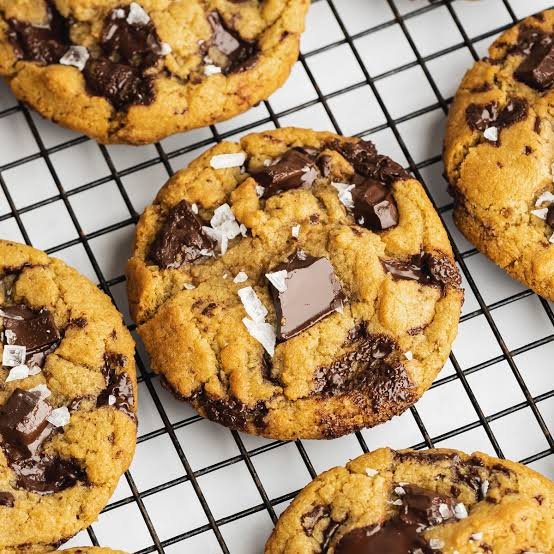

Making delicious cookies at home does not require eggs or butter. With a few simple ingredients, you can prepare soft, lightly crisp, and flavorful homemade cookies that are suitable for everyday snacks, tea time, and family gatherings. This easy eggless cookies recipe without butter is especially useful when you have run out of butter, want to avoid eggs, or need an affordable alternative to store-bought biscuits.
The recipe uses all-purpose flour, sugar, neutral cooking oil, baking powder, and a small amount of milk or another suitable liquid. Vanilla is optional, which means you can prepare a basic batch without buying expensive flavorings. The method is straightforward, making it a good choice for beginners who are learning to bake.
One important thing to understand is that cookies made without eggs and butter have a different texture from traditional butter cookies. They can still taste delicious, but the ingredient measurements and mixing method matter. Too much oil can make them greasy, while too much flour can make them dry and hard.
In this comprehensive guide, you will learn how to prepare eggless cookies without butter, measure ingredients correctly, achieve a good texture, avoid common baking mistakes, store cookies safely, and customize the recipe according to your taste and budget.
Recipe Overview
| Recipe detail | Information |
|---|---|
| Recipe name | Easy Eggless Cookies Without Butter |
| Preparation time | 15 minutes |
| Optional chilling time | 15–20 minutes |
| Baking time | 10–15 minutes per batch |
| Total time | Approximately 30–45 minutes |
| Yield | About 18–22 small cookies |
| Difficulty | Easy |
| Main cooking method | Oven baking |
| Main fat | Neutral cooking oil |
| Eggs and butter | Not used |
Why Make Eggless Cookies Without Butter?
There are several practical reasons to choose this recipe.
1. Uses Everyday Ingredients
Flour, sugar, oil, and baking powder are common kitchen staples. You may already have everything needed to prepare a batch.
2. No Eggs Required
The recipe does not use eggs, so there is no need to separate yolks, beat egg whites, or purchase eggs specifically for baking.
3. No Butter Required
Neutral cooking oil replaces butter as the main source of fat. This can be convenient when butter is unavailable or too expensive for your budget.
4. Beginner-Friendly Method
You do not need an electric mixer or advanced baking skills. A bowl, spoon, measuring tools, and baking tray are usually enough.
5. Easy to Customize
You can add cinnamon, vanilla, cocoa powder, or a small quantity of chocolate chips to create different flavors.
6. Useful for Small Batches
You can prepare a modest quantity for your household rather than buying a large package of cookies. The recipe can also be scaled up after you have tested the first batch.
Important: These cookies are egg-free and butter-free, but they are not automatically dairy-free because the basic version uses milk. Choose a suitable plant-based milk if you want to avoid dairy, and check ingredient labels if you are baking for someone with an allergy.
Ingredients for Easy Eggless Cookies Without Butter

1. All-purpose flour — 1½ cups (approximately 190 g)
Flour provides structure and helps the cookies hold their shape. Measuring by weight gives more consistent results than using a loosely filled or tightly packed cup.

2. Granulated sugar — ½ cup (approximately 100 g)
Sugar provides sweetness and contributes to browning and texture. You can experiment with a slightly smaller quantity, although the cookies may become less crisp and brown differently.

3. Neutral cooking oil — ⅓ cup (approximately 75–80 ml)
Sunflower, canola, or another mild-flavored oil works well. Avoid strongly flavored oils if you want a classic sweet-cookie taste.

4. Baking powder — ½ teaspoon
Baking powder provides a little lift and helps produce a lighter texture. Check that it is fresh and suitable for your dietary requirements.

5. Milk — 2–4 tablespoons, as needed
Milk helps bring the dough together. Add it gradually instead of pouring in the entire amount immediately. You may need less, depending on the flour and measuring method.

6. Vanilla extract — 1 teaspoon (optional)
Vanilla adds a pleasant aroma. You can leave it out to keep the recipe inexpensive.

7. Salt — a small pinch
A little salt balances the sweetness and makes the overall flavor more rounded.
Optional Ingredients
You can use these ingredients if you already have them:
- ½ teaspoon ground cinnamon for a warm, fragrant flavor.
- 1 tablespoon cocoa powder for a chocolate variation.
- 1–2 tablespoons chocolate chips for extra sweetness.
- 1 tablespoon finely chopped nuts, if appropriate for everyone eating the cookies.
- A small amount of lemon zest for a fresh citrus aroma.
For the most affordable version, keep the recipe plain and use only the essential ingredients.
Kitchen Equipment You Will Need
You do not need expensive equipment to make eggless cookies without butter. Most of the tools are common household items.
- One large mixing bowl.
- One small bowl for dry ingredients.
- A spoon, spatula, or whisk.
- Measuring cups and spoons, or a kitchen scale.
- A baking tray.
- Baking parchment or a lightly greased tray.
- An oven.
- A fork for flattening the cookies.
- A cooling rack or clean plate.
A hand mixer is optional. You can mix the dough entirely by hand, which makes this recipe convenient for beginners.
Step-by-Step Instructions for Eggless Cookies Without Butter

Step 1: Preheat the Oven
Preheat your oven to 170–175°C (340–350°F). Allow it to reach the correct temperature before placing the cookies inside.
Prepare a baking tray by lining it with baking parchment or lightly greasing it. Avoid applying too much oil to the tray because excess grease may affect the bottom of the cookies.
If your oven heats unevenly, use the middle rack whenever possible.
Step 2: Combine the Oil and Sugar
Pour the cooking oil into a mixing bowl and add the granulated sugar.
Stir for approximately one to two minutes, until the ingredients are evenly combined. The mixture will not become fluffy in the same way as butter and sugar, so do not worry if it looks slightly grainy.
Add the vanilla extract if you are using it. Mix again until the vanilla is distributed throughout the mixture.
This step helps ensure that the sweetness and flavor are evenly spread throughout the dough.
Step 3: Mix the Dry Ingredients
In another bowl, combine the all-purpose flour, baking powder, and salt.
Stir them together with a spoon or whisk. This helps distribute the baking powder evenly, reducing the chance of individual cookies having an uneven texture.
If you are adding cinnamon or cocoa powder, combine it with the dry ingredients at this stage.
Step 4: Add the Flour Mixture Gradually
Add approximately half of the dry mixture to the oil-and-sugar mixture. Stir gently until it begins to form a crumbly dough.
Add the remaining flour mixture and continue mixing.
At this point, the dough may look dry. Add milk one tablespoon at a time, mixing after each addition. Stop as soon as the dough holds together when pressed.
The goal is a soft, workable dough that is not excessively sticky or greasy.
Baking tip: Different flour brands absorb different amounts of liquid. Do not add all the milk automatically. The dough’s consistency is a better guide than the exact amount of liquid.
Step 5: Check the Dough Consistency
Take a small piece of dough and press it between your fingers.
If it holds together without falling apart, it is ready for shaping. If it crumbles excessively, add a teaspoon of milk and mix again.
If the dough is sticky, avoid adding large amounts of flour immediately. First, cover it and refrigerate it for 15–20 minutes.
Chilling can make the dough easier to shape and help limit excessive spreading during baking.
Step 6: Shape the Cookies

Divide the dough into small portions, approximately 15–20 g each if you have a kitchen scale.
Roll each portion gently between your palms to form a ball. Place the balls on the baking tray with approximately 4–5 cm of space between them.
Flatten each ball gently with a fork or your fingertips. Because this dough contains oil rather than butter, the cookies may not spread in exactly the same way as traditional butter cookies.
Keep the cookies similar in size and thickness so that they bake evenly.
If the dough sticks to your fingers, lightly moisten your hands or chill the dough briefly. Avoid adding too much extra flour.
Step 7: Bake the Cookies
Place the tray in the preheated oven and bake for approximately 10–15 minutes.
The exact time depends on the size of the cookies, the thickness of the dough, and the accuracy of your oven temperature.
Look for lightly golden edges and a surface that appears set. The cookies may feel slightly soft when removed, but they will firm up as they cool.
Do not wait for the entire cookie to turn dark brown. Overbaking can make eggless cookies dry, particularly when they contain relatively little liquid.
If the bottoms are browning too quickly, check your oven temperature and consider using a lighter-colored baking tray.
Step 8: Cool the Cookies Properly
Remove the tray from the oven using oven mitts.
Allow the cookies to rest on the tray for around five minutes. Then carefully transfer them to a cooling rack or clean plate.
Do not move them immediately if they are still very soft. They can break before their structure has set.
Let the cookies cool completely before storing them. This prevents trapped steam from making their surfaces damp.
Step 9: Serve Your Homemade Cookies

Serve the cookies with tea, coffee, milk, or your preferred drink. They also work well as an afternoon snack or a simple homemade treat for guests.
For a more attractive presentation, arrange them on a clean plate and sprinkle a very small amount of powdered sugar over the top, if desired.
The cookies can be enjoyed plain, or you can pair them with fresh fruit for a varied snack.
How to Get the Best Texture Without Butter or Eggs
Butter and eggs normally contribute flavor, structure, moisture, and texture to many cookie recipes. When both are omitted, the balance of flour, oil, sugar, and liquid becomes particularly important.
Use the Correct Amount of Oil
Oil is a useful replacement for butter in some cookie recipes, but it is not a one-to-one replacement by volume.
Butter contains water and milk solids, while oil is almost entirely fat. Using too much oil can produce greasy cookies that spread or feel heavy.
The suggested ⅓ cup of oil is a starting point for this particular recipe. Measure it carefully rather than pouring directly from the bottle.
Avoid Excess Flour
Too much flour can make cookies hard and crumbly. If you are measuring with cups, spoon the flour into the cup and level the top.
A kitchen scale is even more reliable. Aim for approximately 190 g rather than compressing the flour into a measuring cup.
Add Liquid Gradually
Milk helps bind the dough, but too much liquid can make it sticky and affect the final shape.
Begin with a small amount and add more only if the dough needs it. If the dough is difficult to shape, chilling it can be more helpful than adding extra flour.
Flatten the Dough Evenly
Cookies that are too thick may remain soft in the center while their edges become brown. Very thin cookies may bake quickly and become crisp or dry.
For a first attempt, flatten the dough to approximately 5–7 mm thick and check the cookies early.
Allow Enough Cooling Time
Eggless cookies can feel fragile when hot. Their final texture develops as they cool, so allow them to rest before deciding whether they need more baking.
If the cookies become hard after cooling, shorten the baking time slightly on your next batch.
How to Make Eggless Cookies Without Butter and Without Milk
If you want to avoid both butter and dairy milk, you can adapt this recipe using water or an unsweetened plant-based milk.
Ingredients
- 1½ cups all-purpose flour, approximately 190 g.
- ½ cup granulated sugar, approximately 100 g.
- ⅓ cup neutral cooking oil.
- ½ teaspoon baking powder.
- 2–4 tablespoons water or unsweetened plant-based milk, as needed.
- 1 teaspoon vanilla extract, optional.
- A pinch of salt.
Method
- Mix the oil and sugar in a bowl.
- Add vanilla, if using.
- Combine the flour, baking powder, and salt in another bowl.
- Gradually mix the dry ingredients into the oil mixture.
- Add water or plant-based milk one tablespoon at a time until the dough holds together.
- Shape small balls and flatten them.
- Bake at 170–175°C (340–350°F) for approximately 10–15 minutes.
- Allow the cookies to cool before serving.
Water works as a simple liquid binder, although the flavor and texture may be less rich than with milk.
If you use plant-based milk, check the label for ingredients that may matter to people with allergies or dietary restrictions. This recipe is dairy-free only when all ingredients and any cross-contact risks meet your needs.
Five Easy Flavor Variations
You can change the flavor of your eggless cookies without buying many additional ingredients.

1. Vanilla Eggless Cookies
Add one teaspoon of vanilla extract. This creates a familiar sweet aroma and is ideal if you prefer plain cookies.

2. Cinnamon Cookies
Mix half a teaspoon of cinnamon into the flour. Cinnamon adds warmth and pairs well with tea or coffee.

3. Chocolate Cookies
Replace approximately one tablespoon of flour with unsweetened cocoa powder. Add a small amount of liquid if the dough becomes too dry.

4. Chocolate Chip Cookies
Fold one or two tablespoons of chocolate chips into the finished dough. Check the packaging if you need egg-free or dairy-free chocolate.

5. Lemon Cookies
Add a little finely grated lemon zest to the oil-and-sugar mixture. Avoid adding too much lemon juice because extra liquid can change the dough consistency.
Common Mistakes to Avoid
Using Too Much Oil
Excess oil can make the cookies greasy or cause them to spread too much. Measure the oil carefully and follow the recipe quantities.
Adding All the Milk at Once
Different flours require different amounts of liquid. Add milk gradually until the dough comes together.
Skipping the Baking Powder
Without an appropriate leavening ingredient, the cookies may be denser than intended. Check that the baking powder is fresh.
Baking at the Wrong Temperature
An oven that is too hot can brown the bottoms before the centers are ready. An oven that is too cool can produce cookies with an unexpected texture.
Use an oven thermometer if your oven temperature is unreliable.
Making Cookies Too Thick
Thick cookies may need a longer baking time, which can dry out the edges. Flatten the dough evenly before baking.
Overmixing the Dough
Once the flour is added, mix only until the ingredients are combined. Excessive mixing may make the cookies tougher.
Opening the Oven Too Frequently
Repeatedly opening the oven allows heat to escape and makes the baking process less consistent. Check through the oven door when possible and open it only when necessary.
Storing Cookies While Warm
Warm cookies release steam. If stored immediately in an airtight container, they can become soft or damp. Let them cool fully first.
How to Store Eggless Cookies Without Butter
Proper storage helps retain flavor and texture.
Room-Temperature Storage
Place fully cooled cookies in a clean, dry, airtight container.
For the best quality, try to consume them within approximately 5–7 days, depending on your kitchen temperature, humidity, and handling. Discard cookies if they develop mold, unusual odors, or other signs of spoilage.
Store the container away from direct sunlight, heat, and moisture.
Freezing Baked Cookies
You can freeze baked cookies in a freezer-safe container or bag.
- Allow the cookies to cool completely.
- Separate layers with baking paper if needed.
- Seal the container well.
- Label it with the date.
- For good quality, aim to use them within two to three months.
Thaw them at room temperature. If you want to refresh their texture, warm them briefly in an oven and let them cool before eating.
Freezing Cookie Dough
Shape the dough into portions and freeze them in a suitable container. When ready to bake, allow the portions to soften enough to flatten, or bake from frozen with an adjusted baking time.
Keep raw dough away from ready-to-eat foods and wash your hands after handling it. Do not taste uncooked dough, as raw flour may contain harmful microorganisms.
Are Eggless Cookies Without Butter Healthy?
Homemade cookies offer control over ingredients and portion sizes, but they should not automatically be considered healthy simply because they contain no eggs or butter.
This recipe still contains flour, sugar, and oil. These ingredients provide energy, and the nutritional content depends on the quantities used and the size of each cookie.
You can make a few adjustments if you want to change the recipe:
- Make smaller cookies to manage portions.
- Reduce the sugar slightly, recognizing that this can change texture and browning.
- Use some whole-wheat flour for a different flavor and additional fiber, but test the texture because whole-wheat flour absorbs liquid differently.
- Avoid adding large amounts of sugary toppings.
- Enjoy the cookies as part of a varied diet rather than relying on them as a main source of nutrition.
If you are preparing cookies for someone with allergies, remember that egg-free and butter-free do not mean allergen-free. Check all labels and prevent cross-contact with ingredients that must be avoided.
How to Make This Recipe More Budget-Friendly
The easiest way to keep these cookies affordable is to avoid unnecessary ingredients.
Use basic pantry items. Flour, sugar, and cooking oil are enough to form the foundation of the recipe.
Skip optional flavorings. Vanilla and chocolate chips are not required. Plain cookies can still be enjoyable.
Measure carefully. Accurate measurements help prevent wasted ingredients and disappointing batches.
Bake in a suitable batch size. Choose a quantity that your household can consume while the cookies are fresh.
Use economical equipment. A spoon and mixing bowl are enough; an electric mixer is unnecessary.
Compare the cost per cookie. Add the cost of the ingredients actually used, then divide by the number of cookies made. Include electricity or gas costs if you want a more complete comparison with packaged biscuits.
Your actual savings will depend on local prices, the ingredients already in your kitchen, and your oven’s energy use.
Frequently Asked Questions
1. Can I make cookies without eggs and butter?
Yes. This recipe uses cooking oil instead of butter and does not require eggs. Milk or another suitable liquid helps bring the dough together.
2. What can I use instead of butter in cookies?
Neutral cooking oil is one option. However, oil contains no water or milk solids, so cookies made with oil may have a different flavor, spread, and texture.
3. Why are my eggless cookies crumbly?
The dough may contain too much flour or too little liquid. Add a small amount of milk or water and mix gently until the dough holds together.
4. Why are my cookies greasy?
Too much oil is a common cause. Measure the oil carefully and chill the dough if it is difficult to handle.
5. Can I use whole-wheat flour?
Yes, but the cookies may become denser and have a stronger wheat flavor. Try replacing part of the all-purpose flour first and adjust the liquid gradually.
6. Can I use brown sugar instead of white sugar?
Yes. Brown sugar adds moisture and a mild caramel flavor. The cookies may turn out softer and darker, so the final result will differ.
7. Can I make this recipe without baking powder?
You can experiment, but the cookies will likely be denser. Baking powder helps provide a lighter texture, so it is preferable for the standard recipe.
8. How do I make the cookies crispier?
Flatten the dough evenly and bake until the edges are lightly golden. Allow the cookies to cool completely before judging their final crispness.
9. Can I prepare these cookies without an oven?
A covered, heavy-bottomed pot with a heatproof stand may work on a stovetop. Use very low heat, suitable cookware, and careful monitoring because the bottoms can brown quickly.
10. Are these cookies vegan?
Not necessarily. The basic recipe contains no eggs or butter but uses dairy milk. To make a vegan version, replace the milk with water or a suitable plant-based alternative and check all other ingredients.
11. How long can I keep these cookies?
They are generally best within approximately 5–7 days in a clean, airtight container at room temperature. Temperature, humidity, and handling affect their quality and shelf life.
12. Can I reduce the sugar?
Yes, you can test a modest reduction. However, sugar affects the spread, browning, and texture, so changing the amount may produce a different result.
13. Can I add chocolate chips?
Yes. Add one or two tablespoons of chocolate chips after combining the dough. Choose suitable chips if you need to avoid egg or dairy ingredients.
14. Why did my cookies become hard after cooling?
They may have been overbaked or contain too much flour. Remove them when the edges are lightly golden and measure the flour carefully.
15. Can children help make these cookies?
Children can help measure ingredients and shape the dough under adult supervision. An adult should operate the oven and handle hot trays.
External Image Resource
For additional visual inspiration for homemade cookies, visit the following image collection:
Conclusion
Easy eggless cookies without butter are a practical option when you want homemade snacks using simple, affordable ingredients. Cooking oil replaces butter, while flour, sugar, baking powder, and a little liquid create a dough that is easy to prepare and shape.
For the best results, measure the oil and flour carefully, add liquid gradually, flatten the cookies evenly, and avoid overbaking. Once you master the basic recipe, you can experiment with cinnamon, vanilla, cocoa powder, or chocolate chips.
Whether you are baking for an afternoon snack, a family tea gathering, or a homemade treat on a budget, this recipe gives you a flexible starting point without requiring eggs or butter.