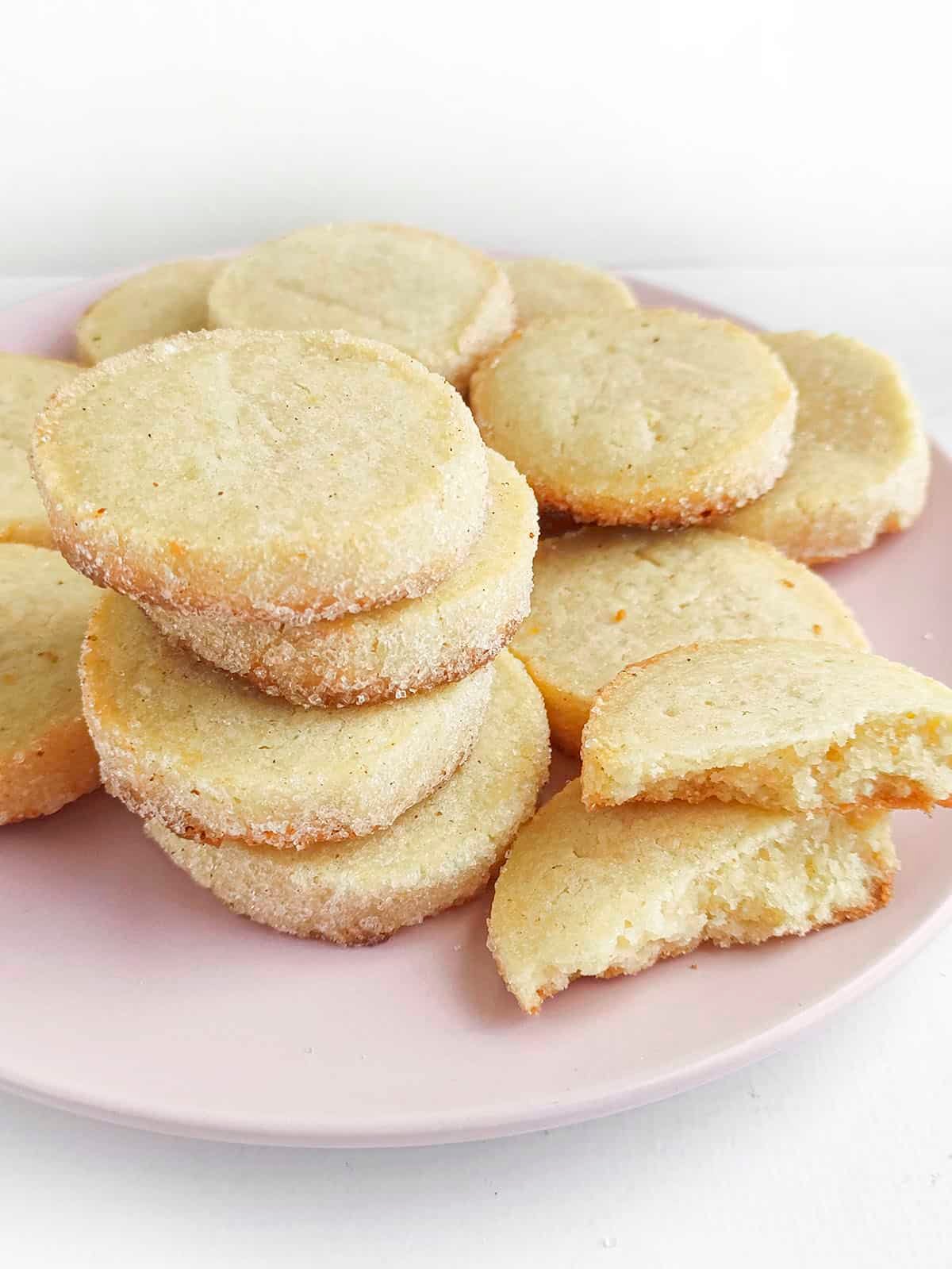

Homemade cookies are one of the easiest and most affordable treats you can prepare in your kitchen. You do not need expensive ingredients, special baking equipment, or professional cooking skills to make delicious cookies at home. With basic ingredients such as flour, sugar, butter or oil, and a little baking powder, you can prepare fresh cookies that are perfect for breakfast, evening tea, lunchboxes, and family snacks.
This cheap homemade cookies recipe is designed for people who want to enjoy homemade baked treats without spending too much money. It is beginner-friendly, easy to customize, and suitable for everyday baking. You can make the cookies plain, add chocolate chips, include a little cinnamon, or use vanilla extract to create a pleasant aroma.
The best part is that you can control the sweetness, texture, and ingredients according to your preferences. Homemade cookies also allow you to avoid unnecessary decorative packaging and choose simple ingredients that fit your household budget.
In this guide, you will learn everything you need to know about making inexpensive homemade cookies, including ingredient measurements, preparation methods, baking temperatures, common mistakes, storage instructions, variations, and answers to frequently asked questions.
Recipe Overview
| Recipe detail | Information |
|---|---|
| Recipe name | Cheap Homemade Cookies |
| Preparation time | 15 minutes |
| Chilling time | Optional, 15–20 minutes |
| Baking time | 10–15 minutes per batch |
| Total time | Approximately 30 minutes |
| Servings | 18–24 small cookies |
| Difficulty | Easy |
| Cooking method | Oven baking |
| Main ingredients | Flour, sugar, butter or oil |
| Estimated cost | Budget-friendly; varies by location and ingredient prices |
Why You Will Love This Cheap Homemade Cookies Recipe
There are many reasons to make cookies at home instead of purchasing packaged snacks. Homemade cookies can be prepared in small batches, customized to your taste, and made with ingredients you may already have in your kitchen.
1. Affordable Ingredients
The recipe uses everyday pantry ingredients. You do not need expensive chocolate, nuts, special flour, or decorative toppings. Plain cookies made with flour, sugar, fat, and a small amount of leavening can still taste delicious.
2. Easy for Beginners
You do not need advanced baking experience. The method involves mixing the ingredients, shaping the dough, and baking the cookies until the edges become lightly golden.
3. Customizable Flavors
You can change the flavor without completely changing the recipe. Add vanilla for a classic taste, cinnamon for warmth, or chocolate chips for a sweeter treat.
4. Perfect for Family Snacks
These cookies work well with tea, coffee, milk, or a homemade breakfast. They can also be packed for school snacks, picnics, and family outings once completely cooled.
5. Better Portion Control
Making cookies at home lets you decide their size. You can prepare small cookies for lighter portions or larger cookies for a more substantial snack.
Ingredients for Cheap Homemade Cookies
The following quantities make approximately 18–24 small cookies, depending on how large you shape them.
Main Ingredients

1. All-purpose flour — 1½ cups (about 190 g)
Flour provides the structure of the cookies. Measure it by spooning it into the measuring cup and leveling the top rather than pressing it down firmly.

2. Sugar — ½ cup (about 100 g)
Regular white sugar is affordable and easy to find. It adds sweetness and helps the cookies develop a lightly crisp texture.

3. Butter — ½ cup (113 g), softened
Butter gives cookies a rich flavor and tender texture. If you need a lower-cost alternative, use approximately ⅓ cup neutral cooking oil instead, understanding that the texture will be different.

4. Baking powder — ½ teaspoon
This helps the cookies rise slightly. Make sure your baking powder is fresh for a more reliable result.

5. Vanilla extract — 1 teaspoon (optional)
Vanilla improves the aroma and gives the cookies a classic bakery-style flavor. You can leave it out to save money.

6. Salt — a small pinch
A little salt balances the sweetness. If your butter is salted, you can reduce or omit the additional salt.
Optional Ingredients
These ingredients are not necessary for the basic recipe, but they can add variety.
- 1–2 tablespoons milk, only if the dough is too dry.
- 2 tablespoons chocolate chips for chocolate-flavored cookies.
- ½ teaspoon ground cinnamon for a warm flavor.
- 1 tablespoon cocoa powder for a chocolate variation, replacing a similar amount of flour.
- 1–2 tablespoons finely chopped peanuts, if desired and suitable for everyone eating the cookies.
For the most economical version, use the main ingredients only.
Kitchen Equipment You Need
One advantage of this recipe is that you can make it using ordinary kitchen equipment.
You will need:
- One large mixing bowl.
- One spoon or spatula.
- Measuring cups or a kitchen scale.
- A baking tray.
- Baking paper or a lightly greased tray.
- An oven.
- A fork or your fingers for flattening the dough.
- A cooling rack or clean plate.
A hand mixer is optional. You can cream the butter and sugar with a spoon, although this may take a little longer.
Important: This version uses an oven. If you do not have an oven, see the stovetop alternative later in the article.
Step-by-Step Instructions for Making Homemade Cookies

Follow these instructions carefully to get cookies that are evenly baked and pleasant in texture.
Step 1: Prepare Your Ingredients
Measure the flour, sugar, butter, baking powder, and optional vanilla before you begin. Allow refrigerated butter to soften at room temperature until it can be pressed easily with a finger.
Softened butter is easier to mix than cold, hard butter. However, it should not be completely melted. Melted butter can cause the cookies to spread more than expected.
Preheat your oven to 175°C (350°F). If your oven heats unevenly, allow enough time for it to reach the correct temperature.
Line a baking tray with baking paper or lightly grease it.
Step 2: Cream the Butter and Sugar
Place the softened butter and sugar in a mixing bowl.
Mix them together using a wooden spoon, spatula, or hand mixer. Continue until the mixture looks creamy and reasonably smooth.
This step distributes the sugar throughout the butter and helps create a more pleasant cookie texture.
You do not need to mix until the mixture becomes extremely fluffy. For an inexpensive everyday cookie, a simple, well-combined mixture is sufficient.
If you are using neutral oil instead of butter, stir the oil and sugar together until evenly combined. The result will have a different texture and may spread differently.
Step 3: Add the Vanilla
Add the vanilla extract, if using it, and mix well.
Vanilla is optional, so do not worry if you do not have it. The cookies will still work without it, although their aroma will be simpler.
If you want to experiment with flavor, a small pinch of cinnamon can also be added at this stage.
Step 4: Mix the Dry Ingredients
In a separate bowl, combine the flour, baking powder, and salt.
Stir them together to distribute the baking powder evenly throughout the flour.
Adding the dry ingredients gradually makes the dough easier to mix and reduces the chance of small pockets of baking powder remaining in the cookies.
Step 5: Combine the Wet and Dry Ingredients
Add the flour mixture to the butter-and-sugar mixture in two or three portions.
Stir gently after each addition. At first, the mixture may look crumbly, but it should gradually form a soft dough.
Avoid mixing for too long after the flour has been added. Excessive mixing can develop more gluten and make the cookies tougher.
If the dough is too dry to hold together, add milk one teaspoon at a time. You may not need any milk at all.
If the dough becomes sticky, cover it and refrigerate it for 15–20 minutes. Chilling can make the dough easier to handle.
Step 6: Shape the Cookies

Take small portions of dough and roll them into balls roughly 2–3 cm across.
Place the balls on the prepared baking tray, leaving approximately 4–5 cm of space between them.
Flatten each ball gently with a fork or your fingertips. This encourages more even baking.
Try to make the cookies approximately the same size so that they finish baking at similar times.
If you prefer a rustic appearance, leave the edges slightly uneven. Perfectly shaped cookies are not necessary for a delicious result.
Step 7: Bake the Cookies
Place the tray in the preheated oven.
Bake for approximately 10–15 minutes, depending on the size and thickness of the cookies and your oven.
Look for lightly golden edges and a set surface. The centers may still feel a little soft when the cookies first come out of the oven.
Do not wait for the entire cookie to become dark brown. Overbaking can make inexpensive homemade cookies dry and hard.
If your oven has hot spots, rotate the tray carefully partway through baking, provided the cookies have set enough to handle the movement.
Step 8: Let the Cookies Cool
Remove the tray from the oven and allow the cookies to rest on it for about five minutes.
They will be fragile while hot. As they cool, the structure becomes firmer.
Transfer them to a cooling rack or clean plate and let them cool completely before storing them.
Cooling is important because trapping warm cookies in an airtight container can create condensation and soften them.
Step 9: Serve and Enjoy

Serve your cookies with tea, coffee, milk, or another favorite drink.
For an inexpensive family snack, keep the cookies plain. If you want a more special presentation, serve them on a plate with fresh fruit or a small bowl of yogurt.
You can also crumble a cookie over a dessert or use the cookies as a simple base for a homemade pudding.
How to Make Cookies Crispy on the Outside and Soft Inside
The texture of homemade cookies depends on the ingredients, dough consistency, cookie thickness, and baking time.
If you prefer lightly crisp edges with a softer center, try the following tips.
Use the Correct Amount of Flour
Too much flour can make cookies dry, crumbly, and hard. Measure flour carefully and avoid packing it into a measuring cup.
If you use a kitchen scale, weigh approximately 190 g of flour for this recipe.
Do Not Add Too Much Milk
Milk is only needed if the dough cannot hold together. Adding too much can make the dough sticky and change the final texture.
Always add it in small quantities.
Watch the Baking Time
Cookies continue to firm up as they cool. Removing them when the edges are lightly golden can help prevent excessive dryness.
For crispier cookies, flatten them a little more and bake them until the edges are more golden, watching carefully to avoid burning.
Cool Before Storing
Allowing cookies to cool completely prevents moisture from collecting inside the storage container.
If you seal them while warm, they may lose their crispness.
How to Make Cheap Homemade Cookies Without Butter
Butter can be expensive, so you may want an alternative that uses ingredients already available in your kitchen.
Neutral cooking oil, such as sunflower or canola oil, can work in a basic cookie recipe.
Ingredients
- 1½ cups all-purpose flour.
- ½ cup sugar.
- ⅓ cup neutral cooking oil.
- ½ teaspoon baking powder.
- 1 teaspoon vanilla extract, optional.
- A pinch of salt.
- 1–3 tablespoons milk, as needed.
Method
- Mix the oil and sugar in a bowl.
- Add the vanilla, if using.
- Combine the flour, baking powder, and salt separately.
- Add the dry mixture to the oil mixture gradually.
- Add a small amount of milk only if the dough is too dry.
- Shape the dough into small balls and flatten them.
- Bake at 175°C (350°F) for approximately 10–15 minutes, checking early.
Oil-based cookies may be less rich and can have a different spread and texture than butter cookies. The dough should hold together without becoming greasy or excessively wet.
Budget tip: If you have butter available but not enough for the full quantity, you can experiment with replacing part of it with oil. The result may differ from the original recipe, so make a small test batch first.
How to Make Homemade Cookies Without an Oven
If you do not have an oven, you may be able to cook cookies in a covered, heavy-bottomed pot on a stovetop.
This method requires extra care because stovetop heat is less uniform than oven heat.
Equipment
- A heavy-bottomed pot with a lid.
- A small heatproof stand or metal rack that fits inside the pot.
- A baking plate or small tray that fits safely on the stand.
- Baking paper, if suitable for your cookware and temperature.
Instructions
- Place the heatproof stand inside the empty pot.
- Cover the pot and preheat it over low heat for a few minutes, following the cookware manufacturer’s instructions.
- Prepare and shape the cookie dough using the standard recipe.
- Arrange the cookies on a small tray or suitable baking plate.
- Place the tray on the stand so it does not touch the bottom directly.
- Cover the pot and cook over very low heat.
- Check periodically to assess browning and doneness. The time will vary according to the pot, stove, and cookie thickness.
- Remove the cookies carefully and allow them to cool.
Do not use a sealed pressure cooker for this method, and do not heat empty cookware beyond its manufacturer’s safety instructions. Avoid plastic components and use only heatproof equipment.
Stovetop cookies may brown differently from oven-baked cookies, particularly on the bottom. Test a small batch before cooking the entire quantity.
Five Easy Variations for Homemade Cookies
Once you know the basic recipe, you can make several variations without purchasing a completely different set of ingredients.

1. Vanilla Sugar Cookies
Add one teaspoon of vanilla extract. These cookies have a simple, sweet flavor and work well with tea or milk.

2. Chocolate Chip Cookies
Add two tablespoons of chocolate chips. This is an easy way to make the basic recipe feel more special without adding a large amount of chocolate.

3. Cinnamon Cookies
Mix in half a teaspoon of ground cinnamon. The spice gives the cookies a warm aroma and works especially well with tea.

4. Simple Chocolate Cookies
Replace approximately one tablespoon of flour with one tablespoon of unsweetened cocoa powder. Add a little milk only if needed to maintain a workable dough.

5. Peanut Cookies
Add one or two tablespoons of finely chopped peanuts. Check for peanut allergies before serving these cookies to others.
Common Mistakes to Avoid When Baking Cookies
Even a simple recipe can produce disappointing results if a few important details are overlooked.
1. Using Too Much Flour
Excess flour absorbs moisture and can make cookies dry. Measure carefully and add flour gradually if you are adjusting the recipe.
2. Using Melted Butter Instead of Softened Butter
Completely melted butter can make the dough greasy and cause excessive spreading. Use softened butter unless a recipe specifically calls for melted butter.
3. Skipping the Oven Preheating Step
Putting cookies into a cold oven can change their spread and baking time. Preheat the oven before baking.
4. Making Every Cookie a Different Size
Large cookies take longer to bake than small ones. Keep the portions reasonably uniform for consistent results.
5. Placing Cookies Too Close Together
Cookies may spread while baking. Leave enough space between them so they do not merge into one another.
6. Overbaking the Cookies
Cookies can become dry or hard if left in the oven too long. Check the edges early and remember that they firm up as they cool.
7. Storing Cookies Before They Cool
Warm cookies release moisture into the container, which can soften their texture. Cool them completely before sealing them.
8. Adding Too Much Liquid
A dough that is excessively wet can be difficult to shape and may spread too much. Add milk gradually, only when needed.
9. Ignoring Ingredient Quality
Old baking powder may not work effectively. Flour and sugar should also be free of moisture, insects, and unusual odors.
10. Changing Too Many Ingredients at Once
If you change the flour, fat, sugar, and liquid simultaneously, it becomes difficult to understand why the cookies turned out differently. Test one substitution at a time.
How to Store Homemade Cookies
Proper storage helps homemade cookies retain their flavor and texture.
At Room Temperature
Once completely cooled, place the cookies in a clean, dry, airtight container.
For the best quality, aim to eat them within about 5–7 days. The exact shelf life depends on ingredients, humidity, handling, and storage conditions.
Keep the container away from direct sunlight, heat, and moisture.
In the Refrigerator
Refrigeration is not usually necessary for plain, fully baked cookies. It can sometimes change their texture, particularly if they absorb moisture or odors from other foods.
Cookies containing perishable fillings, cream, or other ingredients requiring refrigeration should be stored according to the relevant food-safety guidance.
In the Freezer
For longer storage, freeze fully cooled cookies in a freezer-safe, airtight container or bag.
Separate layers with baking paper if needed. Label the container with the date, and use the cookies within approximately two to three months for good quality.
Thaw them at room temperature while protected from excess moisture. If desired, warm them briefly in an oven to refresh their texture.
Can You Store Cookie Dough?
Yes. You can cover the dough and refrigerate it for a short period, generally one to two days, or freeze portions for later baking.
Keep raw dough separate from ready-to-eat foods, wash your hands and utensils after handling it, and do not eat uncooked dough because raw flour and eggs, if present, may contain harmful microorganisms.
How to Make This Recipe More Budget-Friendly
If your goal is to reduce the cost of homemade cookies, a few simple choices can help.
Use pantry staples. Buy flour, sugar, and other frequently used ingredients in economical package sizes when practical, and store them properly.
Skip expensive toppings. Plain cookies can taste good without chocolate chips, nuts, frosting, or decorative sprinkles.
Make a suitable batch size. Prepare only as many cookies as your household can comfortably eat before they lose quality.
Measure ingredients carefully. Accurate measurements reduce waste and make the recipe more consistent.
Use what you already have. If you have vanilla, cinnamon, or another suitable flavoring, use a small quantity rather than purchasing several new ingredients for one batch.
Compare the cost per serving. Divide the total cost of the ingredients used by the number of cookies produced. This gives you a more useful estimate than comparing the price of one ingredient with the price of a packaged product.
Actual savings depend on local ingredient prices, electricity costs, the size of your batch, and what you would otherwise buy.
Frequently Asked Questions About Cheap Homemade Cookies
1. What are the cheapest ingredients for homemade cookies?
The main ingredients are all-purpose flour, sugar, and butter or a suitable neutral cooking oil. A small amount of baking powder helps the texture, while vanilla is optional.
2. Can I make cookies with only flour, sugar, and oil?
You can experiment with a simple flour-sugar-oil dough, but the results may be dense, crumbly, or less flavorful. A small amount of liquid and a suitable leavening ingredient can improve the texture.
3. Can I make homemade cookies without butter?
Yes. Neutral cooking oil can replace butter in a modified recipe. Start with the quantities given in the oil-based variation and expect a different flavor and texture.
4. Why are my homemade cookies hard?
Common causes include too much flour, overmixing, insufficient moisture, or excessive baking time. Measure the ingredients carefully and remove the cookies when their edges are lightly golden.
5. Why do my cookies spread too much?
The dough may be too warm, contain too much fat or liquid, or have an incorrect ingredient ratio. Try chilling the dough for 15–20 minutes and make sure the butter is softened rather than melted.
6. How do I know when the cookies are ready?
Look for set surfaces and lightly golden edges. Thin cookies may bake faster than thicker ones, so check early and adjust the baking time according to your oven.
7. Can I use brown sugar instead of white sugar?
Yes, although brown sugar can make cookies softer and add a mild caramel flavor. It may also change the dough’s moisture level, so the final texture will differ.
8. Can I make these cookies without vanilla extract?
Yes. Vanilla is optional. You can leave it out or use a small amount of cinnamon if you enjoy that flavor.
9. Can I make the dough in advance?
Yes. Cover the dough and refrigerate it for a short period, or freeze portions for later use. If the dough becomes firm in the refrigerator, let it soften slightly until it is easy to shape.
10. How long do homemade cookies last?
Plain homemade cookies are generally best within about 5–7 days when stored in a clean, airtight container at room temperature. Humidity and handling can shorten their quality and shelf life.
11. Can I make these cookies without eggs?
Yes. The basic recipe contains no eggs, so it is already suitable for people avoiding eggs, provided all other ingredients meet their requirements.
12. Can children help make these cookies?
Children can help measure ingredients, stir the dough, and shape cooled or unbaked portions under adult supervision. Adults should handle hot trays, the oven, and any sharp equipment.
13. Can I use self-raising flour?
You can experiment with self-raising flour, but it already contains leavening ingredients. Omit the additional baking powder initially and check the package instructions, as results may vary by brand.
14. Can I make the cookies less sweet?
You can try reducing the sugar slightly, but sugar affects spread, browning, and texture as well as sweetness. Make a small test batch before changing the quantity substantially.
15. Are homemade cookies automatically healthier than packaged cookies?
Not necessarily. Homemade cookies can give you more control over ingredients and portion sizes, but they can still contain considerable sugar, fat, and calories. Their nutritional value depends on the recipe and serving size.
Helpful Tips for First-Time Bakers
If this is your first time making cookies, focus on consistency rather than perfection.
Start with the basic recipe and measure the ingredients accurately. Make cookies of similar sizes, preheat the oven, and check the first batch before deciding whether to change the baking time.
If the cookies turn out slightly softer than expected, allow them to cool fully before judging the texture. If they are too hard, reduce the baking time a little during the next batch.
Keep a short note of what worked well. Recording the baking time, dough consistency, and ingredient substitutions will help you repeat your best results.
Conclusion
Cheap homemade cookies are a practical way to prepare a fresh, enjoyable snack using basic kitchen ingredients. With flour, sugar, butter or oil, and a little baking powder, you can make a simple batch without purchasing expensive baking products.
The key to good results is accurate measuring, gentle mixing, evenly shaped dough, and careful baking. Once you understand the basic method, you can experiment with vanilla, cinnamon, chocolate chips, or other ingredients already available in your kitchen.
Whether you serve them with evening tea, pack them for a snack, or share them with family, these easy homemade cookies offer a flexible starting point for everyday baking.