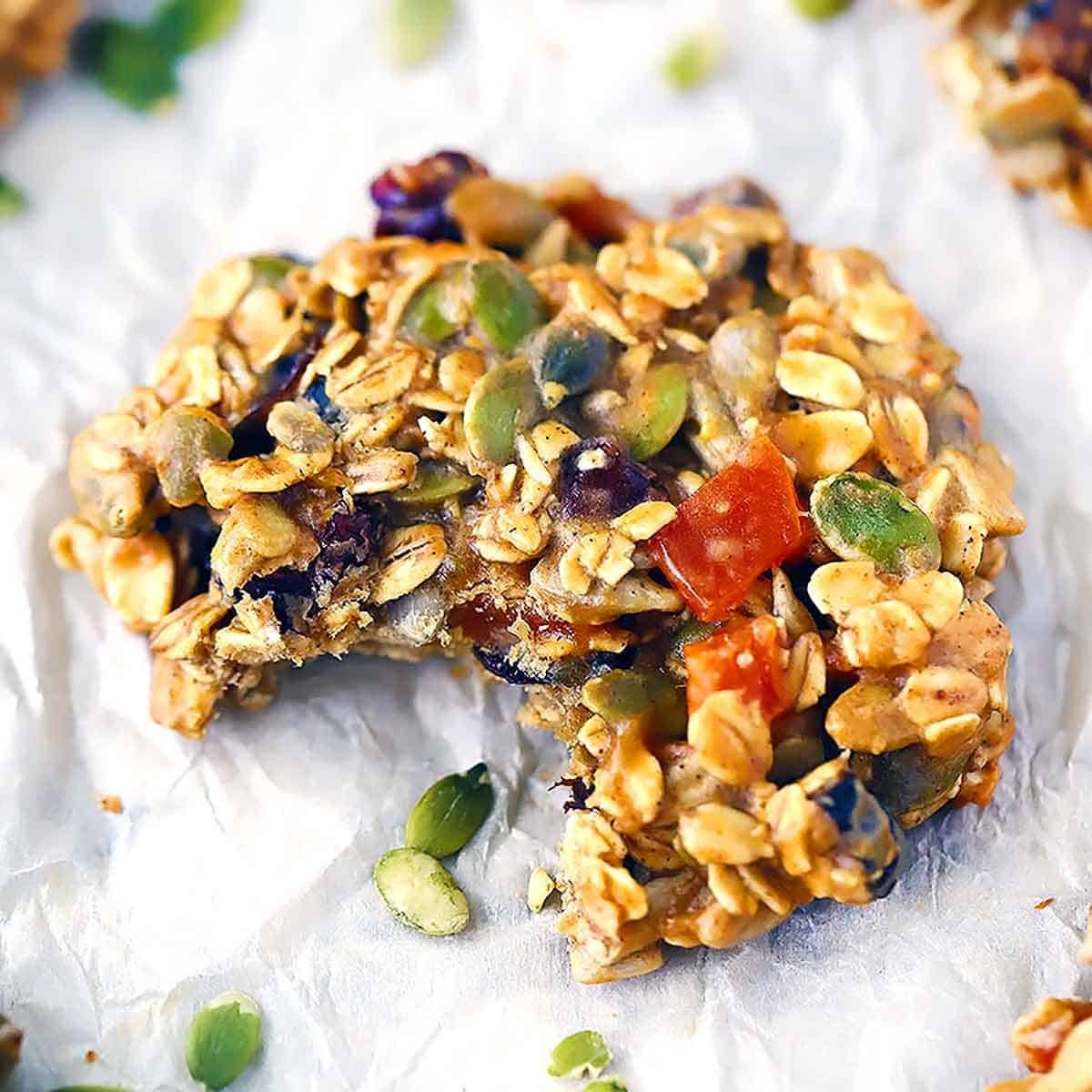
Healthy breakfast cookies with oats, nuts, and dried fruit are a delicious way to make busy mornings easier. These homemade cookies combine wholesome oats, crunchy nuts, naturally sweet dried fruit, and simple pantry ingredients to create a satisfying breakfast or snack. They are easy to prepare, customizable, and perfect for meal preparation throughout the week.
Unlike many store-bought breakfast cookies that contain large amounts of added sugar and refined flour, this homemade version allows you to control the ingredients and sweetness. You can use bananas, nut butter, cinnamon, and a small amount of honey or maple syrup to create cookies with a soft texture and pleasant natural sweetness.
Whether you need a quick breakfast before work, a convenient snack for school, or something nourishing to enjoy with your morning tea or coffee, these healthy breakfast cookies are a practical option.
What Are Healthy Breakfast Cookies?
Healthy breakfast cookies are homemade cookies prepared with breakfast-friendly ingredients such as oats, nuts, seeds, fruit, and nut butter. They are usually less sweet than traditional dessert cookies and can be made with whole grains instead of refined flour.
The main purpose of breakfast cookies is convenience. Rather than preparing a complete breakfast from scratch every morning, you can bake a batch in advance and keep individual cookies ready to eat.
These cookies are also flexible. You can make them with mashed bananas, applesauce, peanut butter, almond butter, raisins, chopped dates, walnuts, almonds, or sunflower seeds. This flexibility makes them suitable for different taste preferences and household budgets.
However, breakfast cookies are not automatically a complete meal. Their nutritional value depends on the ingredients and serving size. Pairing a cookie with yogurt, milk, or another source of protein can help create a more balanced breakfast.
Why You Will Love This Healthy Breakfast Cookie Recipe
There are several reasons to add these homemade breakfast cookies to your regular meal preparation routine.
1. Made With Simple Ingredients
Most of the ingredients are easy to find in a typical kitchen. Rolled oats, bananas, nuts, dried fruit, cinnamon, and nut butter form the foundation of this recipe.
You do not need complicated baking equipment or specialty ingredients.
2. Naturally Sweet and Flavorful
Ripe bananas and dried fruit contribute sweetness, while cinnamon adds warmth and aroma. A small amount of honey or maple syrup is optional if you prefer a sweeter cookie.
The result is a cookie that tastes satisfying without needing the same amount of sugar as many traditional bakery cookies.
3. Convenient for Busy Mornings
These cookies can be baked ahead of time and stored for later. On busy mornings, you can grab one or two cookies and pair them with yogurt, milk, or fresh fruit.
They are also convenient for lunchboxes, travel, and afternoon snacks.
4. Easy to Customize
You can change the nuts, dried fruit, seeds, and spices according to your preferences.
For example, raisins and walnuts create a classic combination, while dried cranberries and almonds provide a slightly tart and crunchy variation.
5. Suitable for Meal Preparation
Preparing breakfast in advance can make it easier to maintain a consistent morning routine. A batch of breakfast cookies gives you a ready-made option when you have limited time to cook.
6. A Useful Alternative to Traditional Cookies
These cookies emphasize oats, fruit, nuts, and other satisfying ingredients rather than relying mainly on refined flour and added sugar.
They still contain calories and carbohydrates, so portion size matters, but they can be a useful alternative to many highly sweetened snacks.
Healthy Breakfast Cookies Recipe Overview

Preparation time
15 minutes
Baking time
12–16 minutes
Yield
12 cookies
Difficulty
Easy
| Recipe detail | Information |
|---|---|
| Recipe type | Breakfast, snack |
| Main ingredient | Rolled oats |
| Sweetener | Ripe banana, optional honey or maple syrup |
| Texture | Soft, chewy, slightly crunchy |
| Baking temperature | 350°F (175°C) |
| Best serving | Breakfast or an afternoon snack |
| Dietary variations | Can be adapted for vegan or gluten-free diets |
Ingredients for Healthy Breakfast Cookies
This recipe makes approximately 12 medium-sized cookies.
Dry Ingredients
- 2 cups rolled oats
- ½ cup whole wheat flour or oat flour
- ½ teaspoon baking powder
- 1 teaspoon ground cinnamon
- ¼ teaspoon salt
- ½ cup chopped walnuts or almonds
- ⅓ cup raisins or chopped dried dates
- 2 tablespoons sunflower seeds or pumpkin seeds, optional
Wet Ingredients
- 2 medium ripe bananas, mashed
- ¼ cup natural peanut butter or almond butter
- 1 large egg
- 1 teaspoon vanilla extract
- 1–2 tablespoons honey or maple syrup, optional
- 2 tablespoons milk, as needed
Optional Add-Ins
You can personalize the recipe with small quantities of additional ingredients.
- 2 tablespoons unsweetened shredded coconut
- 2 tablespoons ground flaxseed
- 1 tablespoon chia seeds
- 2 tablespoons dark chocolate chips
- A pinch of ground nutmeg
- 2 tablespoons chopped dried apricots
Choose a few additions rather than using all of them at once. Too many dry ingredients can make the dough crumbly and prevent the cookies from holding together.
Ingredient Guide: How Each Ingredient Helps
Understanding the role of each ingredient makes it easier to adjust the recipe successfully.
Rolled Oats
Rolled oats provide the main structure of the cookies. They contribute a hearty texture and contain carbohydrates, fiber, and some protein.
Old-fashioned rolled oats are generally the best choice because they maintain a pleasant texture after baking.
Quick oats can also work, but the cookies may be softer. Steel-cut oats are not recommended for this particular recipe because they remain too firm unless prepared differently.
If you need gluten-free cookies, choose oats specifically labeled gluten-free because oats may be exposed to gluten-containing grains during processing.
Whole Wheat Flour or Oat Flour
A small amount of flour helps bind the ingredients and makes the cookies easier to shape.
Whole wheat flour adds a slightly nutty flavor, while oat flour produces a milder taste. You can make oat flour at home by blending rolled oats until they become a fine powder.
If you want a softer cookie, use oat flour. If you prefer a slightly more structured texture, whole wheat flour is a good option.
Ripe Bananas
Mashed bananas act as a natural sweetener and help bind the dough. They also add moisture, reducing the need for large amounts of oil or butter.
Use bananas with yellow skins and brown spots. They are generally sweeter and easier to mash than green or barely ripe bananas.
Bananas do have a noticeable flavor, so if you prefer a more neutral taste, replace them with unsweetened applesauce. Because applesauce behaves differently, you may need a little additional flour or oats to achieve a workable dough.
Peanut Butter or Almond Butter
Nut butter adds flavor and helps the cookies hold together. It also contributes fat and some protein, making the texture richer and more satisfying.
Natural peanut butter works particularly well with bananas and cinnamon. Almond butter provides a milder flavor.
If the nut butter is very thick, stir it thoroughly before measuring. If it is too dry, add a small amount of milk to loosen the mixture.
For a nut-free version, use sunflower seed butter and omit the chopped nuts.
Eggs
The egg helps bind the ingredients and gives the cookies a more cohesive texture.
For a vegan version, use a flax egg made by mixing one tablespoon of ground flaxseed with three tablespoons of water. Allow the mixture to sit for about five to ten minutes until it thickens.
The texture may be softer with a flax egg, so let the cookies cool completely before moving them from the baking tray.
Nuts and Seeds
Walnuts, almonds, sunflower seeds, and pumpkin seeds contribute crunch and flavor.
Nuts also contain fats, protein, and various micronutrients. Seeds provide additional texture and can help make the cookies more interesting.
Chop large nuts into small pieces so that the dough holds together more easily.
Dried Fruit
Raisins, chopped dates, dried cranberries, and dried apricots provide concentrated sweetness and chewy texture.
Dried fruit can be high in natural sugars because water has been removed during processing. Some products also contain added sugar, so check the ingredient label if you want to limit added sweeteners.
Chop larger dried fruit into small pieces for even distribution.
Cinnamon and Vanilla
Cinnamon gives the cookies a warm breakfast flavor, while vanilla adds sweetness and aroma without requiring additional sugar.
You can adjust the cinnamon according to your preference. A pinch of nutmeg or cardamom can also create a pleasant variation.
How to Make Healthy Breakfast Cookies With Oats, Nuts, and Dried Fruit
Follow these instructions for soft, flavorful breakfast cookies that hold together well.
Step 1: Preheat the Oven
Preheat your oven to 350°F (175°C).
Line a baking sheet with parchment paper. This helps prevent sticking and makes cleanup easier.
If you do not have parchment paper, lightly grease the baking sheet. Avoid adding too much oil because it can affect the texture of the cookie bottoms.
Step 2: Prepare the Bananas
Peel the bananas and place them in a large mixing bowl.
Mash them with a fork until most large lumps disappear. A few small lumps are fine, but the mixture should be soft enough to combine easily with the other wet ingredients.
Very ripe bananas work best because they provide more sweetness and moisture.
Step 3: Mix the Wet Ingredients
Add the peanut butter, egg, vanilla extract, and optional honey or maple syrup to the mashed bananas.
Stir until the mixture is relatively smooth.
The peanut butter may take a little time to blend into the bananas. Continue mixing until there are no large pockets of nut butter.
If you are making a vegan version, add your prepared flax egg instead of the regular egg.
Step 4: Combine the Dry Ingredients
In a separate bowl, combine the rolled oats, whole wheat flour or oat flour, baking powder, cinnamon, and salt.
Stir thoroughly to distribute the baking powder and cinnamon.
This step helps ensure that the cookies bake evenly and that the seasoning is spread throughout the dough.
Step 5: Add the Nuts and Dried Fruit
Mix the chopped nuts, raisins or dates, and optional seeds into the dry ingredients.
Coating these additions lightly with the oat mixture can help distribute them more evenly when you combine everything.
If you are using large dried fruit pieces, chop them into smaller pieces before adding them.
Step 6: Combine the Wet and Dry Mixtures
Add the dry ingredients to the bowl containing the wet ingredients.
Stir with a wooden spoon or spatula until everything is evenly combined.
The dough should be thick, moist, and slightly sticky. It will not have exactly the same consistency as traditional cookie dough because it contains mashed bananas and oats.
If the mixture looks too dry and crumbly, add milk one tablespoon at a time.
If it looks too wet, add one or two tablespoons of oats or flour.
Step 7: Allow the Dough to Rest
Let the dough rest for approximately five minutes.
This allows the oats to absorb some moisture and helps the dough become easier to shape.
After resting, check the consistency again. If it is still too wet to hold its shape, add a small amount of extra oats.
Step 8: Shape the Cookies
Scoop approximately two tablespoons of dough for each cookie.
Place the portions on the prepared baking sheet, leaving about two inches between them.
Flatten each portion gently with the back of a spoon or your fingers. These cookies generally do not spread as much as traditional butter cookies, so shaping them before baking is important.
For a softer center, make them slightly thicker. For a firmer cookie, flatten them a little more.
Step 9: Bake Until Set
Bake for approximately 12–16 minutes.
The edges should look set, and the bottoms should be lightly golden. The centers may remain soft because of the banana and oats.
Avoid baking them for too long. Excessive baking can make the cookies dry and hard.
If your cookies are larger or thicker than average, they may require a few additional minutes.
Step 10: Cool Before Serving
Remove the baking sheet from the oven and let the cookies rest for five minutes.
Transfer them carefully to a wire rack to cool completely.
The cookies will become firmer as they cool. Moving them too soon can cause them to break, especially if you used a flax egg instead of a regular egg.
Enjoy them once cooled, or store them for later.
Tips for Soft and Chewy Breakfast Cookies
A few simple techniques can improve the texture and flavor of your cookies.
Use Properly Ripe Bananas
Ripe bananas provide sweetness and moisture. Under-ripe bananas are firmer and less sweet, which may produce a less flavorful cookie.
If your bananas are small, you may need a little extra mashed banana. However, too much banana can make the dough excessively wet.
Do Not Overmix the Dough
Mix until the ingredients are evenly combined. Excessive mixing is unnecessary and can make the mixture difficult to handle.
Because the recipe contains oats rather than relying entirely on wheat flour, a gentle mixing method works well.
Flatten the Cookies Before Baking
The cookies will not spread significantly in the oven.
Shape each portion into a round cookie before baking to ensure that the centers cook at approximately the same rate as the edges.
Measure Dried Fruit Carefully
Dried fruit adds sweetness and flavor, but too much can make the cookies overly sticky.
Use the recommended quantity as a starting point and adjust it according to your taste.
Let the Cookies Cool Completely
Cooling is an important part of the process. Warm cookies can be fragile, especially when the recipe contains mashed banana.
Allowing them to cool also makes their texture more consistent.
Use Fresh Baking Powder
Old baking powder may not provide the same lift, resulting in dense cookies.
Store baking powder in a cool, dry place and replace it if it has been open for a long time or no longer works effectively.
How to Make Breakfast Cookies Healthier
Healthy baking is not only about reducing sugar. It also involves choosing ingredients that suit your nutritional needs and eating habits.
Reduce Added Sweeteners
The bananas and dried fruit already contribute sweetness.
Start without honey or maple syrup, taste the baked result, and add a small amount the next time if you prefer a sweeter cookie.
Reducing added sweeteners can help you control the amount of added sugar in the recipe.
Choose Whole-Grain Ingredients
Rolled oats and whole wheat flour provide whole-grain ingredients.
If you prefer a gluten-free option, use certified gluten-free oats and suitable gluten-free flour.
Whole grains can contribute fiber to your diet, although the exact amount depends on the recipe and serving size.
Include Nuts and Seeds
Nuts and seeds contribute texture, fats, and some protein.
Walnuts, almonds, pumpkin seeds, and sunflower seeds are all useful options. Choose unsalted varieties if you want to keep sodium levels lower.
Because nuts and seeds are energy-dense, you do not need to add large amounts to obtain their flavor and texture.
Watch the Portion Size
Even homemade cookies contain calories from oats, nuts, nut butter, dried fruit, and other ingredients.
One or two cookies may be a convenient snack, but your ideal portion depends on your appetite and nutritional needs.
For a more substantial breakfast, pair a cookie with plain yogurt, milk, or another protein-rich food.
Avoid Unnecessary Additions
Chocolate chips, extra sweeteners, and large quantities of dried fruit can increase the sugar and calorie content.
You do not need to eliminate these ingredients completely. Instead, use them in amounts that fit your preferences and goals.
Easy Recipe Variations
One of the best features of breakfast cookies is how easily you can change the flavor.

1. Banana Raisin Breakfast Cookies
Use raisins instead of a mixed dried-fruit combination. Add a little extra cinnamon for a classic oatmeal-cookie flavor. This is a simple option for people who prefer familiar ingredients.

2. Almond Butter Breakfast Cookies
Replace peanut butter with almond butter and use chopped almonds instead of walnuts. This creates a mild, nutty flavor that pairs well with dried apricots or raisins.

3. Cranberry and Pumpkin Seed Cookies
Combine dried cranberries, pumpkin seeds, and walnuts. The cranberries provide a tart flavor, while the seeds add crunch. Check the cranberry label for added sugar if that is a concern.

4. Vegan Breakfast Cookies
Replace the egg with a flax egg and use plant-based milk if needed. Confirm that the nut butter and other ingredients contain no unwanted animal-derived ingredients.

5. Gluten-Free Breakfast Cookies
Use certified gluten-free oats and a gluten-free flour blend or oat flour made from certified gluten-free oats. Check every packaged ingredient to avoid unintended gluten exposure.
6. Apple Cinnamon Breakfast Cookies
Replace part of the dried fruit with finely chopped apple and add a little extra cinnamon.
Apples contain more moisture than raisins, so chop them finely and avoid adding too much. If the dough becomes wet, mix in a small amount of additional oats.
7. Chocolate Chip Breakfast Cookies
Add two tablespoons of dark chocolate chips to the dough.
This variation can make breakfast cookies more appealing to people who enjoy chocolate. Keep the quantity moderate if you want to limit added sugar.
8. Date and Walnut Breakfast Cookies
Use finely chopped dates and walnuts for a naturally sweet, rich-tasting combination.
Dates can make the dough sticky, so chop them into small pieces and separate any clumps before mixing.
Common Mistakes to Avoid
Making the Dough Too Wet
Too much mashed banana, milk, or applesauce can prevent the cookies from setting properly.
Add liquid gradually and allow the oats time to absorb moisture before deciding whether the dough needs adjustment.
Adding Too Much Flour
Excessive flour can make the cookies dry and dense.
Measure the flour carefully and use additional oats only when the mixture is too wet to shape.
Expecting Traditional Cookie Texture
These breakfast cookies are different from classic butter-and-sugar cookies. They tend to be softer, heartier, and less crisp.
If you want a firmer texture, flatten the dough more and bake until the edges are lightly golden, taking care not to burn the bottoms.
Using Large Pieces of Nuts
Large nut pieces can cause cookies to break apart or make shaping difficult.
Chop nuts into small, even pieces so they distribute throughout the dough.
Overloading the Recipe With Add-Ins
Adding too many nuts, seeds, dried fruit, and chocolate chips can disrupt the balance of wet and dry ingredients.
Follow the recommended quantities and make small adjustments when experimenting.
Storing the Cookies While Warm
Warm cookies release moisture. Placing them in a sealed container before they cool can lead to condensation and a shorter storage life.
Cool the cookies completely before storing them.
Estimated Nutrition Information
The following values are approximate and will vary depending on ingredient brands, the size of your bananas, the type of nut butter, and the number of cookies made.
| Nutrient | Estimated amount per cookie |
|---|---|
| Calories | 120–160 |
| Protein | 3–5 g |
| Carbohydrates | 17–23 g |
| Fat | 4–7 g |
| Fiber | 2–3 g |
| Added sugar | Depends on optional sweetener and ingredients |
These estimates assume a batch of approximately 12 cookies. They are not laboratory-tested nutrition facts.
The cookies contain carbohydrates from oats, bananas, and dried fruit, along with fats and some protein from nuts and nut butter. For a more balanced breakfast, serve them with a protein-rich food and fresh fruit if desired.
Are Breakfast Cookies Good for Weight Management?
Breakfast cookies can fit into a balanced eating pattern, but no single recipe guarantees weight loss or weight maintenance.
Their usefulness depends on portion size, overall food intake, activity level, and individual nutritional needs.
Oats provide carbohydrates and fiber, while nuts and nut butter contribute fats and some protein. These ingredients can make the cookies more satisfying than a snack made mainly from refined flour and added sugar.
However, nuts, nut butter, and dried fruit can also contribute substantial calories in relatively small portions.
If you are managing your weight, consider the following practical tips:
- Keep cookie sizes consistent.
- Limit optional sweeteners if you do not need them.
- Measure nuts and nut butter rather than adding them freely.
- Pair a cookie with plain yogurt or another protein source.
- Pay attention to hunger and fullness rather than relying on a fixed number of cookies.
A balanced eating pattern matters more than any single food.
Are These Breakfast Cookies Suitable for Children?
These cookies can be a convenient snack for many children, depending on their age, dietary needs, and food allergies.
Oats, bananas, nuts, and dried fruit provide a variety of flavors and textures. The cookies can also be placed in lunchboxes when stored safely and packed according to the ingredients used.
For younger children, pay particular attention to choking hazards. Whole nuts and large pieces of dried fruit may be unsuitable for young children, so use finely chopped or appropriately prepared ingredients according to age and feeding guidance.
If the cookies contain peanut butter, tree nuts, eggs, or other common allergens, consider the child’s allergy history and school food rules.
For a less sweet version, omit the optional honey or maple syrup and rely on ripe bananas and dried fruit for flavor.
Important: Do not give honey to children under 12 months of age. If preparing food for a baby or young toddler, use age-appropriate ingredients and follow relevant feeding guidance.
How to Store Healthy Breakfast Cookies
Proper storage helps preserve the cookies’ texture and quality.
At Room Temperature
Because this recipe contains mashed banana and egg, refrigeration is the more cautious storage option, particularly in warm weather. If you choose room-temperature storage, keep the cookies in a cool environment and follow safe food-handling practices.
In the Refrigerator
Allow the cookies to cool completely, then place them in an airtight container.
Refrigerate them and aim to use them within about five days. Discard any cookies that develop an unusual smell, visible mold, or other signs of spoilage.
Place parchment paper between layers if the cookies are soft or sticky.
In the Freezer
These cookies freeze well when properly packed.
- Cool the cookies completely.
- Arrange them in a single layer and freeze until firm.
- Transfer them to a freezer-safe container or bag.
- Label the container with the date.
- Use within approximately two to three months for good quality.
To serve, thaw a cookie in the refrigerator or at room temperature for a short period. You can also warm it briefly in a microwave if desired.
Avoid repeatedly thawing and refreezing the entire batch. Remove only the quantity you expect to eat.
How to Meal Prep Breakfast Cookies for the Week
Meal preparation can save time and reduce the pressure of preparing breakfast every morning.
Choose Your Ingredients in Advance
Before baking, measure the oats, flour, nuts, dried fruit, and spices. Keep the wet ingredients separate until you are ready to make the dough.
You can also prepare a dry mixture ahead of time, excluding ingredients that may affect freshness or require special storage.
Bake a Consistent Batch
Use the same scoop for each cookie so they bake at approximately the same rate.
Uniform sizes make it easier to estimate portions and help prevent smaller cookies from drying out before larger ones are cooked.
Divide the Cookies Into Portions
Once cooled, separate the cookies into convenient portions.
You might place one or two cookies in each container, depending on your appetite and what you plan to eat alongside them.
Add a Protein-Rich Breakfast Option
For a more complete meal, pair the cookies with plain yogurt, milk, or another suitable protein source.
You can also add fresh fruit to provide variety and additional nutrients.
Keep Storage Conditions in Mind
Refrigerate the cookies for short-term storage or freeze portions for later use.
This approach gives you a ready-made breakfast option without needing to bake every day.
Serving Ideas for Healthy Breakfast Cookies
Breakfast cookies are versatile and can be served in several ways.
With Plain Yogurt
Serve one or two cookies alongside plain yogurt. The combination adds protein and creates a more substantial breakfast.
You can also add fresh berries, sliced apples, or banana pieces.
With Milk
A cookie with a glass of milk can be a simple breakfast when you are short on time.
Choose dairy or a fortified plant-based alternative according to your dietary needs.
With Fresh Fruit
Fresh fruit provides color, flavor, and variety. Apples, oranges, berries, and seasonal fruit can all work well.
With Tea or Coffee
For adults, breakfast cookies can be enjoyed with tea or coffee as part of a morning routine. Consider adding yogurt, eggs, or another food if you need a more filling meal.
As an Afternoon Snack
These cookies are not limited to breakfast. They can also be convenient between meals, after a walk, or during a busy workday.
Frequently Asked Questions
1. Can I make breakfast cookies without added sugar?
Yes. Use ripe bananas and dried fruit for sweetness, and omit the optional honey or maple syrup. The cookies will still contain naturally occurring sugars from the fruit.
2. Can I make this recipe without eggs?
Yes. Replace the egg with a flax egg made from one tablespoon of ground flaxseed and three tablespoons of water. Let the mixture thicken before adding it to the wet ingredients.
The cookies may be more delicate, so cool them completely before moving them.
3. Can I use quick oats instead of rolled oats?
Yes. Quick oats can be used, although the texture may be softer and less chewy. Check the dough consistency before shaping the cookies.
4. Can I use almond flour?
You can experiment with almond flour, but it does not behave exactly like oat flour or whole wheat flour. It contains more fat and does not absorb moisture in the same way.
For the most reliable result, use the flour specified in the recipe. If substituting almond flour, adjust the mixture gradually and expect some texture differences.
5. Why are my breakfast cookies falling apart?
The dough may be too dry, the cookies may have been moved while hot, or there may not be enough binding ingredients.
Add a small amount of milk if the dough is crumbly, mash the bananas thoroughly, and allow the baked cookies to cool before transferring them.
6. Why are my cookies too soft?
Too much banana or liquid can produce a very soft cookie. The cookies may also need a few additional minutes in the oven.
Check the dough before baking and make sure the edges are set. Remember that these cookies naturally have a softer texture than traditional crisp cookies.
7. Can I make breakfast cookies without peanut butter?
Yes. Use almond butter, sunflower seed butter, or another suitable alternative.
If you need a nut-free recipe, omit the chopped nuts and choose sunflower seed butter. Check packaged ingredients for cross-contact warnings if allergies are a concern.
8. Are these cookies gluten-free?
They can be adapted to be gluten-free by using certified gluten-free oats and suitable gluten-free flour.
Check all packaged ingredients, including baking powder and nut butter, if avoiding gluten is medically necessary.
9. Can I prepare the dough the night before?
You can mix the dough in advance and refrigerate it in a covered container. Because the recipe contains egg and mashed fruit, keep it refrigerated and bake it within a reasonable period, preferably the next day.
The oats may absorb more moisture overnight, so add a small amount of milk if the dough becomes too firm.
10. Can I freeze the cookie dough?
Yes. Shape the dough into portions and freeze them on a lined tray. Once firm, transfer the portions to a freezer-safe container.
Bake from frozen only if the dough portions are suitable for that method, allowing additional baking time and checking that the centers are fully cooked. Alternatively, thaw the dough portions in the refrigerator before baking.
11. Can I replace bananas with applesauce?
Yes. Unsweetened applesauce can replace mashed banana, although it produces a milder flavor and a different texture.
Start with a similar quantity, then adjust the oats or flour as needed. The dough should hold its shape when scooped.
12. How many breakfast cookies should I eat?
The right amount depends on your appetite, nutritional needs, and what else you eat. One or two cookies with yogurt or milk may suit some people, while others may prefer a different portion.
Use your hunger and overall meal balance as a guide rather than treating a specific number as a universal serving recommendation.
Final Thoughts
Healthy breakfast cookies with oats, nuts, and dried fruit are a practical homemade option for busy mornings, lunchboxes, and everyday snacking. With rolled oats, ripe bananas, nut butter, chopped nuts, and dried fruit, you can prepare a flavorful batch using simple ingredients.
The best part of this recipe is its flexibility. You can adjust the sweetness, change the nuts, try different dried fruits, or make vegan and gluten-free variations according to your needs. Preparing a batch ahead of time can also make your morning routine easier.
For the best results, measure the ingredients carefully, shape the cookies before baking, and let them cool completely before storing them. Pair them with yogurt, milk, or fresh fruit when you want a more balanced breakfast.
With a little preparation, these homemade breakfast cookies can become a convenient and enjoyable part of your weekly meal plan.