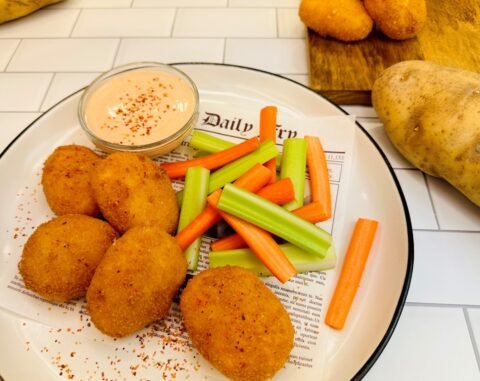

Potatoes are one of the most affordable and versatile ingredients for making delicious homemade snacks. If you are looking for an easy potato snacks recipe for kids after school, you can prepare crispy potato bites, potato patties, or golden potato fingers using simple ingredients that are commonly available in most kitchens.
After a busy school day, children often want something tasty to eat before starting their homework, playing with friends, or relaxing at home. Homemade potato snacks can be a convenient option because they are easy to customize, require basic cooking skills, and can be served with ketchup, yogurt dip, or a simple homemade sauce.
This recipe focuses on making crispy potato bites using boiled potatoes, a little flour or cornstarch, and everyday seasonings. You do not need expensive ingredients or a deep fryer. You can shallow-fry the snacks in a small amount of oil, or bake them for a different texture.
The recipe is also flexible. You can adjust the spices to suit your children’s preferences, add vegetables for variety, and shape the mixture into small patties, nuggets, or fingers.
In this guide, you will learn how to prepare easy potato snacks step by step, achieve a crispy outside and soft center, avoid common cooking mistakes, and store leftovers safely.
Recipe Overview
| Recipe detail | Information |
|---|---|
| Recipe name | Easy Potato Snacks for Kids After School |
| Preparation time | 15 minutes |
| Potato boiling time | 15–20 minutes |
| Cooking time | 10–15 minutes per batch |
| Total time | Approximately 35–50 minutes |
| Servings | 3–4 people |
| Difficulty | Easy |
| Main ingredient | Potatoes |
| Cooking methods | Shallow-frying or oven baking |
| Best served with | Ketchup, yogurt dip, or homemade sauce |
Cooking times depend on potato size, cooking equipment, and the thickness of the snacks.
Why Kids and Parents May Love These Potato Snacks
1. Simple, Affordable Ingredients
Potatoes, flour, salt, and basic spices are usually easier to find and more economical than many packaged snack foods.
2. Easy to Customize
You can keep the seasoning mild for younger children or add a little black pepper, paprika, or other spices for older family members.
3. Several Shapes to Choose From
The same mixture can be shaped into small balls, patties, nuggets, or short fingers. Different shapes can make an everyday snack more interesting.
4. Suitable for Busy Afternoons
You can boil the potatoes in advance and prepare the mixture when your children return from school. The snacks can then be shaped and cooked in a short period.
5. No Deep Fryer Required
A frying pan or a suitable oven tray is enough. You can prepare the snacks using shallow-frying or baking, depending on your preference.
6. A Chance to Include Vegetables
Finely grated carrots, peas, or other suitable vegetables can be mixed into the potato mixture to add variety.
Keep in mind that potatoes are mainly a source of carbohydrates. For a more balanced after-school snack, serve a reasonable portion with yogurt, beans, an egg, or another suitable source of protein.
Ingredients for Easy Homemade Potato Snacks
The following ingredients make approximately 16–20 small potato bites, depending on their size.

1. Potatoes — 3 medium (approximately 450–500 g)
Potatoes provide the main texture and flavor. Starchy potatoes are often especially suitable for making patties and crispy bites.

2. Cornstarch — 2 tablespoons
Cornstarch helps absorb excess moisture and can give the outside a crispier finish. You can use plain flour instead, although the texture may differ.

3. Fresh coriander — 1 tablespoon, chopped (optional)
Coriander adds freshness and color. Leave it out if your children prefer plain snacks.

4. Salt and black pepper — to taste
Use a small amount of salt and a pinch of pepper. Keep the seasoning mild for children who do not enjoy spicy foods.

5. Cooking oil — approximately 2–4 tablespoons for shallow-frying
Use a neutral-flavored oil suitable for cooking. The amount absorbed will depend on the pan, temperature, and cooking method.

6. Garlic powder or mild paprika — ¼ teaspoon, optional
These seasonings add flavor. You can omit them for a simple, mild version.
Optional Ingredients
You can add one or two of the following ingredients to vary the recipe:
- 2 tablespoons finely grated carrot.
- 2 tablespoons cooked green peas, lightly mashed.
- 1 tablespoon finely chopped spring onion.
- 2 tablespoons grated cheese.
- ½ teaspoon dried mixed herbs.
- 1 tablespoon finely chopped fresh parsley.
Do not add too many wet ingredients at once. Excess moisture can make the potato mixture difficult to shape and prevent the snacks from becoming crisp.
Kitchen Equipment You Will Need
You do not need specialized equipment to prepare homemade potato snacks.
- A medium-sized cooking pot.
- A colander for draining potatoes.
- A potato masher or fork.
- A mixing bowl.
- A spoon or spatula.
- A chopping board and knife.
- A frying pan or baking tray.
- A plate lined with paper towels, if shallow-frying.
- A turner or spatula for flipping the snacks.
An oven is optional because the snacks can be cooked in a frying pan.
Step-by-Step Instructions for Making Potato Snacks

Step 1: Wash and Prepare the Potatoes
Wash the potatoes thoroughly under running water to remove dirt.
Peel them if you prefer a smooth texture. You can leave the skins on if they are clean and suitable for your recipe, although peeled potatoes usually produce a more uniform mixture.
Cut larger potatoes into evenly sized chunks so they cook at a similar rate.
Step 2: Boil the Potatoes
Place the potato pieces in a pot and cover them with water.
Bring the water to a boil, then reduce the heat enough to maintain a steady simmer. Cook for approximately 15–20 minutes, or until the potatoes can be pierced easily with a fork.
Cooking time depends on the size of the pieces.
Avoid overcooking them until they become waterlogged. Excess moisture makes it harder to form firm potato bites.
Step 3: Drain the Potatoes Thoroughly
Drain the cooked potatoes using a colander.
Allow them to sit for a minute or two so excess steam can escape. If they appear especially wet, return them to the warm pot over very low heat for a short time, stirring gently to evaporate some moisture.
Turn off the heat before mashing.
This step is important because watery potatoes often produce a soft mixture that breaks apart during frying.
Step 4: Mash Until Smooth
Transfer the potatoes to a mixing bowl.
Mash them with a potato masher or fork until most lumps disappear. For potato patties and nuggets, a relatively smooth mixture is easier to shape.
Do not add milk or butter. The mixture needs to remain firm enough to hold its shape.
Allow the potatoes to cool until they are comfortable to handle.
Step 5: Add the Seasonings
Add the cornstarch, a small amount of salt, black pepper, and any optional seasonings.
Mix thoroughly until the ingredients are evenly distributed.
If you are adding grated carrot or cooked peas, make sure they are finely chopped or mashed so they do not cause the mixture to break apart.
Step 6: Check the Mixture
Take a small portion and press it between your fingers.
The mixture should hold together without sticking excessively to your hands.
If it is too wet, add another teaspoon of cornstarch or flour and mix again. Add only a little at a time because too much flour can make the snacks heavy.
If the mixture is too dry and crumbly, check whether the potatoes were sufficiently cooked and mashed. A teaspoon of water may help, but add it cautiously.
For easier shaping, cover the mixture and refrigerate it for 15–20 minutes.
Step 7: Shape the Potato Snacks

Divide the mixture into small portions.
You can make several shapes using the same mixture:
- Small patties: Roll into balls and flatten gently.
- Potato fingers: Roll into short, thick cylinders.
- Potato nuggets: Shape into small oval pieces.
- Mini potato balls: Roll into small balls and flatten them slightly to help them cook evenly.
Keep the pieces similar in size and thickness. This makes cooking easier and reduces the risk of some pieces burning while others remain undercooked.
If the mixture sticks to your hands, lightly oil your palms.
Step 8: Choose Your Cooking Method
At this point, you can shallow-fry or bake the snacks. Both methods can work well, but they produce somewhat different textures.
The following sections explain each option.
Method One: Crispy Potato Snacks in a Frying Pan

Shallow-frying is a practical option when you want golden-brown potato snacks without using a deep fryer.
Instructions
- Place a frying pan over medium heat.
- Add approximately 2–4 tablespoons of cooking oil, using enough to lightly coat the pan.
- Wait until the oil is hot but not smoking.
- Carefully place a few potato pieces into the pan, leaving space between them.
- Cook for approximately 3–4 minutes on the first side, until the bottom becomes golden.
- Turn each piece carefully using a spatula.
- Cook the other side for another 3–4 minutes, adjusting the heat as necessary.
- Transfer the cooked snacks to a plate lined with paper towels.
- Allow them to cool slightly before serving.
Cooking time varies with the thickness of the pieces and the temperature of the pan. Avoid moving the snacks too soon, because a crust needs time to form before they can be flipped easily.
Do not overcrowd the pan. Too many pieces at once can lower the pan temperature and cause the snacks to cook unevenly.
Tips for Better Shallow-Fried Potato Snacks
- Keep the heat at medium rather than using a very high flame.
- Use a wide spatula when turning delicate patties.
- Let one side develop a crust before flipping.
- Add a little more oil between batches if the pan becomes dry.
- Never leave hot oil unattended.
Method Two: Oven-Baked Potato Snacks

If you prefer to use less added oil, baking is another option. Baked potato snacks may not have exactly the same crust as shallow-fried ones, but they can still become lightly crisp and golden.
Instructions
- Preheat the oven to 200°C (400°F).
- Line a baking tray with suitable baking parchment or lightly grease the tray.
- Arrange the shaped potato snacks in a single layer.
- Brush or lightly spray the surfaces with a little cooking oil.
- Bake for approximately 20–30 minutes, depending on size and thickness.
- Turn the snacks carefully halfway through cooking.
- Remove them when they are heated through and lightly golden.
- Allow them to cool slightly before serving.
Avoid placing the pieces too close together. Space allows hot air to circulate and helps the surfaces dry.
If your oven has a fan setting, you may need to reduce the temperature slightly according to the appliance’s instructions.
Method Three: Air-Fryer Potato Snacks
If you already own an air fryer, you can use it for a convenient alternative.
- Preheat the air fryer to approximately 190°C (375°F), following the manufacturer’s instructions.
- Lightly brush or spray the shaped snacks with oil.
- Arrange them in a single layer, leaving room for air to circulate.
- Cook for approximately 10–15 minutes, turning halfway through.
- Check the color and firmness, adding a little more time if necessary.
- Let the snacks cool briefly before serving.
Air-fryer models differ in power and airflow, so treat the time as a starting estimate. Avoid overfilling the basket, as this can prevent even browning.
How to Make Potato Snacks Extra Crispy
The difference between soft potato patties and crisp potato bites often comes down to moisture, shaping, and cooking temperature.
1. Remove Excess Moisture
Drain boiled potatoes well and allow steam to escape before mashing. Wet potatoes require more flour and often produce a softer crust.
2. Use a Small Amount of Cornstarch
Cornstarch helps bind the mixture and can improve the outside texture. Start with the recommended amount rather than adding too much.
3. Chill the Shaped Snacks
Refrigerating the shaped pieces for 15–20 minutes can help them firm up before cooking.
This is especially useful if the mixture is soft or the kitchen is warm.
4. Avoid Excess Flour
Too much flour can make the snacks dense or pasty. Add extra only when the mixture cannot hold its shape.
5. Use the Right Heat
Oil that is not hot enough can allow snacks to absorb more oil and become greasy. Oil that is excessively hot can brown the outside too quickly.
Use medium heat and adjust it if the snacks are darkening before they have heated through.
6. Do Not Overcrowd the Pan
Cook in batches so that the pan stays hot and the pieces can be turned easily.
7. Serve Soon After Cooking
Potato snacks generally have their best crispness soon after cooking. Steam trapped in a covered container can soften the crust.
Five Easy Potato Snack Variations for Kids

1. Cheesy Potato Bites
Mix a small amount of grated cheese into the potato mixture. Keep the pieces small and make sure the cheese is suitable for your family’s dietary needs.

2. Potato and Carrot Patties
Add finely grated carrot and mix thoroughly. Remove excess moisture from the carrot if necessary to keep the mixture firm.

3. Potato Fingers
Shape the mixture into short cylinders and shallow-fry or bake until golden. Keep them thick enough to remain intact while cooking.

4. Potato and Pea Bites
Add a few cooked, mashed peas. This adds color and variety while maintaining the familiar potato flavor.

5. Mild Potato Nuggets
Shape the mixture into small ovals and season with a pinch of garlic powder or mild paprika. Serve with ketchup or yogurt dip.
Easy Dips to Serve with Potato Snacks
A simple dip can make potato snacks more enjoyable without adding much preparation time.
Tomato Ketchup
Serve a small portion of ketchup alongside the snacks. You can use a store-bought version or prepare a homemade tomato sauce if you have the ingredients and time.
Yogurt Dip
Mix plain yogurt with a pinch of salt and finely chopped coriander. You can add a little lemon juice if you like a tangy flavor.
Mild Garlic Yogurt
Combine plain yogurt with a small amount of garlic powder and chopped herbs. Keep the flavor mild for children who dislike strong seasonings.
Homemade Tomato Dip
Cook finely chopped tomatoes with a little oil until soft, then mash them into a thick sauce. Add a small amount of salt and suitable herbs.
Allow homemade dips to cool and refrigerate them promptly if they contain perishable ingredients.
How to Prepare Potato Snacks in Advance
Preparing some ingredients ahead of time can make after-school cooking much easier.
Boil the Potatoes Ahead of Time
You can boil the potatoes earlier in the day, cool them promptly, and refrigerate them in a covered container. Mash them when you are ready to prepare the snacks.
For food safety, refrigerate cooked potatoes within two hours of cooking, or within one hour if the surrounding temperature is above 32°C (90°F).
Prepare the Mixture in Advance
You can mix the cooled potatoes with the seasonings and binding ingredients, shape the snacks, and refrigerate them until cooking.
Keep the prepared mixture in a covered container and use it within one to two days for best quality. Keep it refrigerated at 4°C (40°F) or below.
Freeze Shaped Potato Snacks
To freeze the snacks:
- Shape the potato mixture into patties, nuggets, or fingers.
- Arrange them in a single layer on a tray.
- Freeze until firm.
- Transfer the frozen pieces to a suitable freezer bag or container.
- Label the container with the date.
For best quality, use them within approximately one to two months. Cook from frozen if your chosen method permits it, allowing additional time and checking that the center is thoroughly heated.
Do not leave cooked potatoes or prepared potato mixtures at room temperature for extended periods.
Common Mistakes to Avoid
Using Watery Potatoes
Excess moisture makes the mixture soft and difficult to shape.
Solution: Drain thoroughly and let steam escape before mashing.
Adding Too Much Cornstarch or Flour
Too much binding ingredient can make the snacks dense or powdery.
Solution: Begin with the recommended amount and increase it only if the mixture is too wet to shape.
Making the Pieces Too Large
Large patties take longer to heat through and are more likely to break when flipped.
Solution: Make small, evenly sized pieces.
Flipping the Snacks Too Early
The mixture may stick or break before a crust develops.
Solution: Let the first side become golden and firm before turning it carefully.
Cooking Over Excessive Heat
High heat may burn the surface while leaving the center insufficiently heated.
Solution: Use moderate heat and adjust it as necessary.
Overcrowding the Pan
Too many pieces can lower the cooking temperature and make the snacks less crisp.
Solution: Cook in small batches.
Adding Wet Vegetables Without Adjusting the Mixture
Vegetables can release moisture and make the patties fragile.
Solution: Cook or drain vegetables when necessary, chop them finely, and add them in modest quantities.
Are Homemade Potato Snacks a Good After-School Option?
Potato snacks can be part of a varied diet, but the overall balance depends on the ingredients, cooking method, and portion size.
Potatoes provide carbohydrates, which supply energy. Adding peas, carrots, or other vegetables increases variety, while serving the snacks with yogurt, beans, or another suitable protein source can make the meal more balanced.
For everyday preparation, consider these ideas:
- Use shallow-frying or baking according to your family’s preferences.
- Keep added salt modest.
- Offer a reasonable portion alongside fruit, vegetables, or a protein-rich food.
- Avoid serving the snacks so hot that children could burn their mouths.
- Vary the after-school menu instead of relying on potato snacks every day.
If your children have food allergies or dietary restrictions, check every ingredient and avoid cross-contact with foods they must not eat.
Frequently Asked Questions
1. Which potatoes are best for homemade potato snacks?
Starchy or all-purpose potatoes are generally useful because they mash easily and can form a cohesive mixture. The exact texture depends on the potato variety and its moisture content.
2. Can I make potato snacks without cornstarch?
Yes. You can use plain flour or fine breadcrumbs as an alternative binder. Add small quantities at a time to avoid making the mixture too dense.
3. How do I stop potato patties from breaking?
Drain the potatoes well, mash them evenly, add enough binding ingredient, and chill the shaped patties before cooking. Turn them only after the first side has formed a crust.
4. Can I make these snacks without deep-frying?
Yes. Shallow-frying, oven baking, and air-frying are all options. Baking and air-frying generally require less added oil than deep-frying.
5. Can I make potato snacks without breadcrumbs?
Yes. This recipe uses cornstarch as its main binding ingredient, so breadcrumbs are not necessary.
6. Can I add cheese to the potato mixture?
Yes. A small amount of grated cheese can add flavor and help make the snacks feel richer. Avoid adding so much that the mixture becomes greasy or difficult to shape.
7. How long do potato snacks take to cook?
Shallow-fried patties often take about 6–8 minutes in total, depending on their thickness. Oven-baked snacks may take 20–30 minutes, while air-fried snacks may take 10–15 minutes. Always check that they are heated through.
8. Can I make these snacks spicy?
Yes. For older children who enjoy spicy foods, you can add a little black pepper, paprika, or another preferred seasoning. Start with a small amount.
9. Can I use leftover mashed potatoes?
Yes, provided they have been stored safely and are not excessively wet. If the mashed potatoes already contain butter, milk, or salt, adjust the other ingredients accordingly.
10. Can I prepare potato snacks for a lunchbox?
You can pack them after cooking, but cool and store them safely. For a lunchbox, use an insulated container with an appropriate ice pack if the food needs to remain cold. Do not leave cooked potatoes at room temperature for extended periods.
11. How long can cooked potato snacks be stored?
Refrigerate leftovers promptly in a covered container and use them within three to four days. Reheat until steaming hot throughout. Discard leftovers that have been left at unsafe temperatures for too long.
12. Can I freeze homemade potato patties?
Yes. Freeze shaped patties on a tray before transferring them to a freezer-safe bag or container. For best quality, use them within one to two months.
13. Are baked potato snacks healthier than fried ones?
Baking usually requires less added oil than shallow-frying, but the overall nutritional value depends on the ingredients and portion size. Both methods can be included in a varied diet.
14. What can I serve with potato snacks?
Good options include plain yogurt, homemade tomato dip, fruit, vegetable sticks, or a protein-rich food such as beans or an egg.
15. Can children help prepare these snacks?
Children can help mash cooled potatoes, mix ingredients, and shape the snacks under adult supervision. Adults should handle knives, boiling water, hot pans, hot oil, and oven trays.
Conclusion
Easy potato snacks are a practical way to prepare a tasty after-school treat using affordable ingredients. With boiled potatoes, a little cornstarch, basic seasonings, and a frying pan or oven, you can make homemade potato bites, patties, fingers, and nuggets.
For the best results, remove excess moisture from the potatoes, shape the pieces evenly, and cook them at a suitable temperature. You can also add small amounts of vegetables or cheese to create different versions of the same basic recipe.
Serve the snacks with a simple dip and consider pairing them with fruit, vegetables, or a protein-rich food for a more balanced after-school meal. With a little preparation, this versatile potato recipe can become a useful addition to your family’s everyday snack ideas.