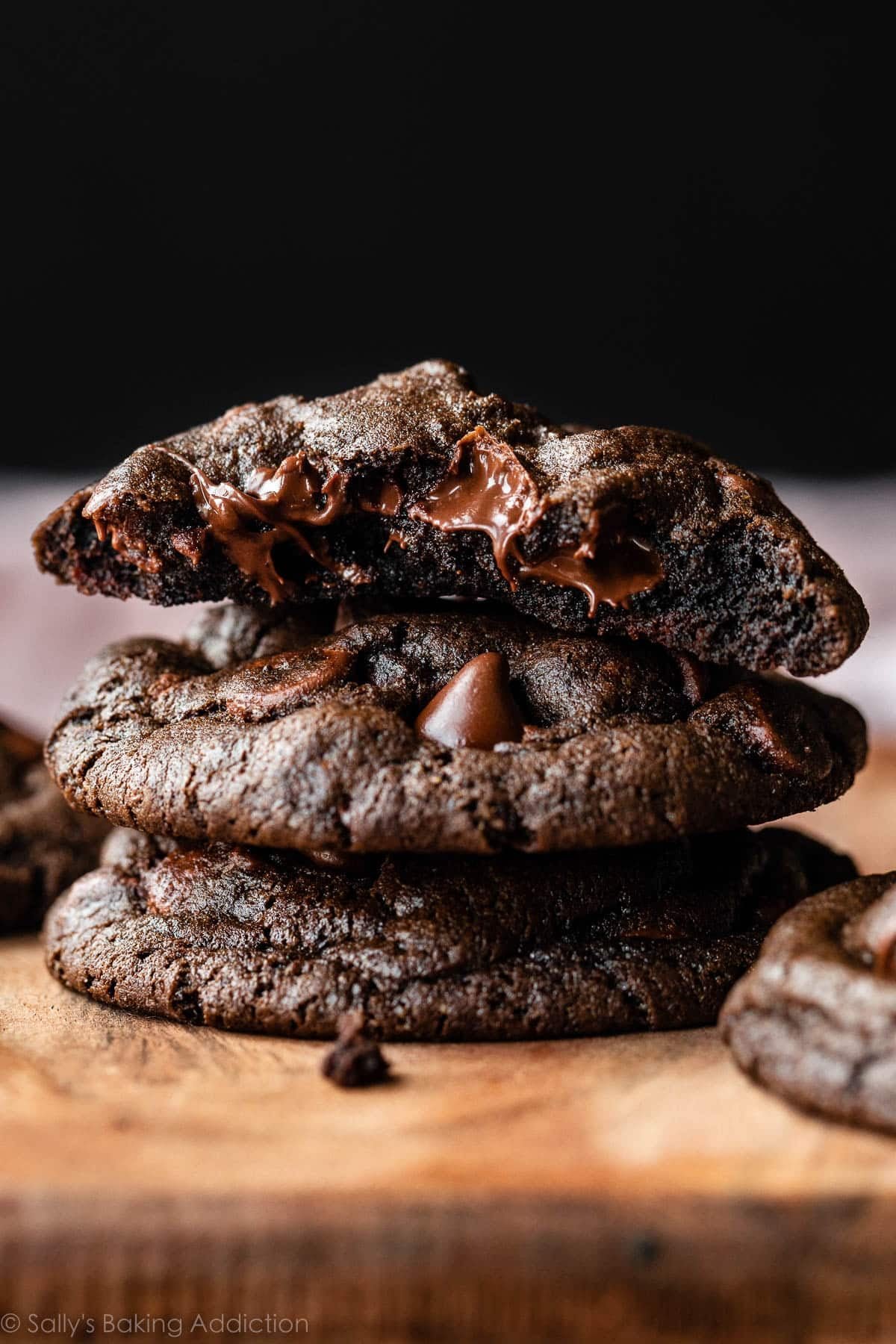
Double chocolate cookies are a dream come true for anyone who loves rich, chocolatey desserts. Made with cocoa powder and chocolate chips or chunks, these cookies deliver a deep chocolate flavor, soft centers, and deliciously crisp edges. They are perfect for afternoon snacks, lunchbox treats, birthday parties, holiday baking, or a simple dessert with a glass of cold milk.
The best part is that you do not need professional baking skills or complicated ingredients to make them at home. With a few basic pantry staples and an easy method, you can prepare bakery-style double chocolate cookies in your own kitchen.
If you are searching for an easy double chocolate cookies recipe, this guide covers everything you need to know, from choosing the right cocoa powder to mixing the dough, baking the cookies, avoiding common mistakes, and storing them properly.

What Are Double Chocolate Cookies?
Double chocolate cookies are chocolate-flavored cookies made with cocoa powder in the dough and additional chocolate chips or chunks mixed into it. Using chocolate in two forms gives the cookies a richer taste and more interesting texture than ordinary chocolate chip cookies.
Cocoa powder provides the deep chocolate base, while chocolate chips create little pockets of melted chocolate throughout each cookie. Depending on the ingredients and baking time, the finished cookies can be soft and fudgy, chewy in the middle, or slightly crisp around the edges.
These cookies are also easy to customize. You can add chopped nuts, white chocolate chips, espresso powder, or a little sea salt to create different flavors without changing the basic recipe too much.
Why You Will Love This Easy Double Chocolate Cookies Recipe
There are many reasons to keep this homemade cookie recipe in your baking collection.
- Rich chocolate flavor: Cocoa powder and chocolate chips work together to create an intense chocolate taste.
- Simple ingredients: Most ingredients are common baking staples.
- Beginner-friendly method: You do not need complicated equipment or advanced techniques.
- Soft and chewy texture: The recipe is designed to produce tender centers with lightly crisp edges.
- Easy to customize: You can change the chocolate, add nuts, or adjust the flavor with simple additions.
- Suitable for different occasions: Serve these cookies at family gatherings, parties, picnics, or as an everyday treat.
- Great for making ahead: The dough can be prepared in advance and refrigerated before baking.
Double Chocolate Cookies Recipe at a Glance
Preparation time
15–20 minutes
Baking time
9–12 minutes per batch
Yield
Approximately 18–22 cookies, depending on size
Difficulty
Easy; suitable for beginner bakers
Ingredients for Homemade Double Chocolate Cookies
The following ingredients make a batch of soft, chocolate-rich cookies. Measuring accurately is important because cocoa powder and flour absorb moisture differently, which can affect the final texture.
Dry Ingredients
- 1 cup (125 g) all-purpose flour
- ⅓ cup (30–35 g) unsweetened cocoa powder
- ½ teaspoon baking soda
- ¼ teaspoon salt
Wet Ingredients
- ½ cup (113 g) unsalted butter, softened
- ¾ cup (150 g) granulated sugar
- 1 large egg, at room temperature
- 1 teaspoon vanilla extract
Chocolate Additions
- ¾ cup (130 g) semi-sweet chocolate chips or chopped chocolate
- 2 tablespoons additional chocolate chips for topping, optional
You can use dark chocolate chips for a stronger chocolate flavor or milk chocolate chips for a sweeter result. White chocolate chips also work well if you enjoy the contrast between sweet white chocolate and rich cocoa.
Optional Ingredients
These additions are not required, but they can give your cookies a slightly different flavor or texture.
- ¼ teaspoon espresso powder for a deeper chocolate taste
- ¼ cup chopped walnuts or pecans for crunch
- A small pinch of flaky sea salt for topping
- 1–2 tablespoons extra chocolate chips to decorate the cookie tops
Avoid adding too many extra ingredients at once. Large amounts of nuts or chocolate can change how the dough holds together and spreads in the oven.
Equipment You Will Need
You do not need an expensive mixer or specialist baking equipment to prepare this recipe. Gather the following items before you begin:
- One large mixing bowl
- One medium bowl for dry ingredients
- A whisk or fork
- A wooden spoon or hand mixer
- Measuring cups and spoons, or a kitchen scale
- A baking tray
- Baking parchment paper
- A cookie scoop or tablespoon
- A wire cooling rack, if available
A kitchen scale is especially useful for measuring flour and cocoa powder. Cup measurements can vary depending on how ingredients are scooped, while weighing them generally provides more consistent results.
Step-by-Step Instructions for Double Chocolate Cookies
Follow these steps carefully to make cookies with a rich cocoa flavor, soft centers, and plenty of chocolate pieces.
Step 1: Preheat the Oven
Preheat your oven to 350°F (175°C). Line a baking tray with parchment paper to prevent the cookies from sticking and to make cleanup easier.
If your oven tends to run hot, consider using an oven thermometer to check its actual temperature. An oven that is too hot can make the edges hard before the centers have had enough time to bake.
Position the oven rack in the middle for more even heat distribution. If you are baking multiple trays, bake them in batches unless your oven circulates heat evenly.
Step 2: Combine the Dry Ingredients
In a medium bowl, add the flour, cocoa powder, baking soda, and salt. Whisk them together until the mixture looks uniform.
This step distributes the baking soda and salt throughout the flour, helping the cookies bake more evenly.
If your cocoa powder contains lumps, sift it before mixing. Cocoa powder can easily form small clumps, and these may remain visible in the finished dough if they are not broken up.
Do not add the dry ingredients to the butter mixture just yet. Keep them ready while you prepare the wet ingredients.
Step 3: Cream the Butter and Sugar
Place the softened butter and granulated sugar in a large mixing bowl.
Using a wooden spoon or hand mixer, beat the mixture until it looks creamy and slightly lighter in texture. With a hand mixer, this usually takes around two to three minutes, although the exact time depends on the butter’s temperature and the mixer’s speed.
The butter should be soft enough to press with a finger but should not look melted or oily.
Creaming helps incorporate air into the mixture, which can contribute to a lighter cookie texture. However, you do not need to beat the butter and sugar until extremely fluffy for this recipe.
If the butter is too cold, it will be difficult to combine with the sugar. If it is melted, the cookies may spread more than expected.
Step 4: Add the Egg and Vanilla
Add the egg and vanilla extract to the butter-and-sugar mixture.
Mix until the egg is fully incorporated and the mixture looks smooth. Scrape down the sides of the bowl with a spatula if necessary.
Room-temperature eggs generally combine more easily with softened butter than cold eggs straight from the refrigerator.
Do not worry if the mixture looks slightly uneven for a moment after adding the egg. Continue mixing gently until the ingredients come together.
Step 5: Add the Dry Ingredients
Gradually add the dry ingredients to the wet mixture. Stir with a wooden spoon or use a mixer on low speed until a thick cookie dough forms.
Stop mixing as soon as the flour streaks disappear. Overmixing after the flour has been added can develop excess gluten, which may make the cookies tougher.
The dough should be thick and scoopable. It may feel slightly sticky, which is normal for chocolate cookie dough.
If the dough seems unusually dry or crumbly, check whether the flour or cocoa powder was measured accurately. Avoid adding extra liquid immediately because that can change the texture and spread of the cookies.
Step 6: Fold in the Chocolate Chips
Add the semi-sweet chocolate chips or chopped chocolate to the dough.
Fold them in with a spatula until they are distributed throughout the mixture. Reserve a few pieces if you want to decorate the tops before baking.
Chocolate chunks provide a more irregular, bakery-style appearance, while standard chocolate chips produce smaller, more consistent pockets of melted chocolate.
For the best balance, use chocolate that tastes good on its own. The chocolate pieces are a major part of the finished flavor, so their quality matters.
Step 7: Chill the Dough if Necessary
This recipe can often be baked without a long chilling period, but refrigerating the dough for 20–30 minutes can help control spreading, particularly in a warm kitchen.
Chilling is especially useful if:
- Your butter became too soft while mixing.
- Your kitchen is warm.
- You want thicker cookies.
- The dough feels loose or difficult to shape.
Place the bowl in the refrigerator, covered, while the oven finishes preheating.
If you prefer thinner cookies with more spreading, you can try baking a test cookie without chilling. The result depends on the butter temperature, flour measurement, and your oven, so a small test batch is a practical way to find your preferred texture.
Step 8: Shape the Cookies
Scoop the dough into portions approximately one to one-and-a-half tablespoons in size. Roll each portion gently into a ball if desired.
Place the dough balls on the prepared tray, leaving around two inches between them. Cookies spread during baking, and sufficient space prevents them from merging into one another.
Press a few reserved chocolate chips into the top of each dough ball for a more attractive finish.
Try to keep the portions similar in size. When cookies have different sizes, the smaller ones may finish baking before the larger ones.
Step 9: Bake the Cookies
Place the tray in the preheated oven and bake for approximately 9–12 minutes.
Look for these signs that the cookies are ready:
- The edges appear set.
- The tops no longer look like wet raw dough.
- The centers remain slightly soft.
- The cookies have spread but still hold their shape.
Chocolate cookies can be difficult to judge by color because the cocoa powder makes them dark from the beginning. Instead of waiting for a golden-brown appearance, pay attention to the edges and surface texture.
If you prefer soft, chewy cookies, avoid baking them until they feel completely firm inside the oven. They continue to set as they cool.
The exact baking time depends on cookie size, tray material, and oven accuracy. Check them near the lower end of the suggested range and add time only when needed.
Step 10: Cool Before Serving
Remove the tray from the oven and leave the cookies on it for approximately five minutes.
During this time, the cookies will continue to set and become easier to move. Transfer them carefully to a wire rack to cool further.
Freshly baked cookies may appear very soft in the center. This does not necessarily mean they are underbaked; the texture becomes more stable as they cool.
For a melted-chocolate effect, serve them slightly warm. For cleaner handling and storage, allow them to cool completely.
The Secret to Soft and Chewy Double Chocolate Cookies
A successful chocolate cookie depends on more than the ingredients. Small differences in mixing, temperature, and baking time can change the texture significantly.
Measure Flour Correctly
Too much flour is one of the most common reasons homemade cookies become dry or cakey.
If using measuring cups, fluff the flour with a spoon, place it gently into the cup, and level the top. Do not pack it down.
For greater consistency, weigh the flour and cocoa powder using the gram measurements in the recipe.
Use Properly Softened Butter
Softened butter helps the sugar and fat combine evenly. Butter that is too cold can create a lumpy mixture, while melted butter can cause excessive spreading.
If you forgot to take the butter out of the refrigerator, cut it into small cubes and allow it to soften at room temperature.
Avoid microwaving it until it melts.
Do Not Overmix the Dough
Once the flour mixture is added, stir only until the ingredients are combined. Excessive mixing can make the cookies firmer than intended.
The dough should look thick and consistent, with chocolate pieces distributed throughout.
Avoid Overbaking
For soft double chocolate cookies, remove the tray when the edges are set but the centers still look slightly soft.
Leaving the cookies in the oven until they feel completely firm can lead to a dry texture after cooling.
Choose the Right Chocolate
Semi-sweet chocolate is a reliable option because it balances the sweetness of the dough. Dark chocolate creates a more intense flavor, while milk chocolate makes the cookies sweeter.
You can combine two types of chocolate to create a more complex taste.
Which Cocoa Powder Is Best for Double Chocolate Cookies?
Cocoa powder plays a major role in the flavor, color, and texture of these cookies. There are two common types to consider.
Natural Cocoa Powder
Natural cocoa powder has a more pronounced, slightly acidic chocolate flavor. It is generally lighter in color than Dutch-process cocoa powder.
Because natural cocoa powder is acidic, it works naturally with baking soda in many recipes. This recipe is designed with unsweetened cocoa powder in mind.
Dutch-Process Cocoa Powder
Dutch-process cocoa powder has been treated to reduce acidity. It typically has a darker color and a smoother, less sharp flavor.
It can produce excellent chocolate cookies, but changing cocoa types can affect the balance of a recipe. If you substitute Dutch-process cocoa, the result may differ slightly in spread, rise, or texture.
For a first attempt, use a standard unsweetened cocoa powder and follow the listed quantities. Once you know how the recipe behaves in your kitchen, you can experiment with other varieties.
Can You Use Sweetened Drinking Chocolate?
Sweetened drinking chocolate is not an ideal one-to-one replacement for unsweetened cocoa powder. It often contains sugar and other ingredients, so it changes the sweetness and chocolate intensity.
If possible, use unsweetened baking cocoa for the most predictable result.
How to Make Double Chocolate Cookies More Fudgy
If you prefer cookies with a brownie-like center, try these adjustments one at a time.
Use chopped chocolate. Larger pieces melt into rich pockets that make the cookies feel more indulgent.
Avoid overbaking. The centers should be set around the edges but still soft when the tray leaves the oven.
Chill the dough. A short chill can help thicker cookies retain a soft center while the edges bake.
Use a slightly larger scoop. Larger cookies can develop a soft middle, although they require more baking time. Keep the portions consistent and watch the edges carefully.
Do not add extra flour unnecessarily. The dough should be thick, but adding too much flour can make the cookies dry rather than fudgy.
Remember that these are cookies, not brownies. They will become firmer as they cool, and the exact final texture depends on the baking conditions.
How to Make Double Chocolate Cookies Crispy Around the Edges
Some people prefer cookies that are soft in the middle but slightly crisp around the edges.
To move toward that texture, shape the dough into slightly flatter portions and bake until the edges are firmly set. Watch closely during the final minutes because a small difference in baking time can noticeably affect the result.
You can also experiment with a little more granulated sugar, but changing the sugar quantity affects spreading and sweetness. For a reliable first batch, keep the original measurements and adjust the baking time or dough shape first.
Let the cookies cool on the tray for five minutes before transferring them. This helps the edges stabilize without leaving the cookies on the hot tray for too long.
Common Double Chocolate Cookie Mistakes and How to Fix Them
Even experienced home bakers sometimes encounter problems. Fortunately, most cookie issues have a practical solution.
1. Cookies Spread Too Much
Possible causes:
- The butter was melted or excessively soft.
- The dough was warm.
- The flour was undermeasured.
- The baking tray was still hot from a previous batch.
How to fix it:
Chill the dough for 20–30 minutes, measure the flour accurately, and use a cool baking tray for each batch. If your first test cookie spreads excessively, refrigerate the remaining dough before continuing.
2. Cookies Turn Out Dry
Dry cookies can result from excess flour, too much cocoa powder, or overbaking.
Measure ingredients carefully and check the cookies before the maximum baking time. If your oven runs hot, reduce the temperature slightly or check its calibration.
For the next batch, avoid adding flour simply because the dough feels sticky. Chocolate cookie dough is naturally thicker and stickier than some other cookie doughs.
3. Cookies Are Too Bitter
Unsweetened cocoa powder provides a strong chocolate taste, but the result should still be balanced.
Check that you measured the cocoa powder correctly. Make sure you used the intended sugar quantity and consider semi-sweet chocolate rather than very dark chocolate.
A tiny pinch of salt can enhance chocolate flavor, but too much salt may make the cookies taste harsh.
4. Cookies Are Too Sweet
Use dark chocolate chips or a combination of dark and semi-sweet chocolate.
Avoid replacing unsweetened cocoa powder with sweetened drinking chocolate. Also, measure the sugar rather than estimating it.
Reducing sugar significantly can affect spread, tenderness, and moisture, so make small adjustments rather than removing large amounts.
5. Cookies Are Hard After Cooling
The most likely cause is overbaking, although excess flour can contribute.
Remove the cookies when their edges are set and centers remain slightly soft. Allow them to rest on the tray briefly before transferring them to a rack.
Store fully cooled cookies in an airtight container to help them retain moisture.
6. Cookies Have a Cakey Texture
Cakey cookies can result from excess flour, too much leavening, or excessive air incorporated during mixing.
Measure the flour and baking soda carefully. Cream the butter and sugar until combined and creamy, but do not overbeat the mixture in an attempt to make it extremely fluffy.
7. Chocolate Chips Do Not Melt Much
Some chocolate chips are designed to hold their shape during baking. They may soften without completely melting.
If you want more visible melted chocolate, use chopped baking chocolate or chocolate chunks alongside the chips.
Different chocolate products melt differently, so choose a type intended for baking if a gooey appearance is important.
Delicious Variations of Double Chocolate Cookies
One advantage of this recipe is that you can adapt it to different tastes without starting from scratch.
Double Chocolate Cookies With White Chocolate Chips
Replace some or all of the semi-sweet chocolate chips with white chocolate chips.
White chocolate provides a sweet, creamy contrast to the cocoa-flavored dough. For a balanced result, try half semi-sweet chocolate and half white chocolate.
Double Chocolate Cookies With Walnuts
Add approximately ¼ cup of chopped walnuts to the dough.
Walnuts contribute a pleasant crunch and slightly earthy flavor. Pecans are another good option.
If you prefer a stronger nutty flavor, lightly toast the nuts and let them cool before mixing them into the dough.
Double Chocolate Espresso Cookies
Add ¼ teaspoon of espresso powder to the dry ingredients.
Coffee can enhance the perception of chocolate flavor without necessarily making the cookies taste strongly of coffee. Start with a small amount, especially if you prefer a pure chocolate flavor.
Double Chocolate Sea Salt Cookies
Sprinkle a tiny pinch of flaky sea salt on top of each cookie before baking.
Salt can balance sweetness and highlight the chocolate flavor. Use a light hand because too much salt can overpower the dessert.
Double Chocolate Mint Cookies
Add a small amount of mint extract to the wet ingredients. Begin with a few drops or follow the concentration guidance on the product label.
Mint can be strong, so use it sparingly. You can also add a small quantity of chopped mint chocolate or mint-flavored chocolate chips.
Double Chocolate Cookies With Peanut Butter
Fold in a small amount of peanut butter chips, or swirl a little thick peanut butter through the dough.
Peanut butter adds a nutty, rich flavor that pairs well with cocoa. Avoid adding a large amount of extra liquid or oil because it can alter the dough’s consistency.
Double Chocolate Orange Cookies
Add a little finely grated orange zest to the butter-and-sugar mixture.
Orange zest gives the cookies a fresh citrus aroma that contrasts with the chocolate. Use only the colored outer peel, avoiding the bitter white pith.
Double Chocolate Coconut Cookies
Add a modest amount of unsweetened shredded coconut to the dough.
Coconut provides texture and a mild tropical flavor. Because it absorbs moisture, avoid adding too much at once.
Double Chocolate Cookies With Mixed Chocolate
Combine semi-sweet, milk, and white chocolate chips for a colorful, varied cookie.
This version is particularly attractive for parties and cookie gift boxes. Keep the total chocolate quantity close to the original recipe so the dough maintains a good balance.
Can You Make Double Chocolate Cookies Without a Mixer?
Yes. A mixer is convenient but not essential.
Use softened butter and a sturdy wooden spoon or spatula. First, work the butter and sugar together until creamy. Add the egg and vanilla, then stir until combined.
Mix in the dry ingredients gradually and fold in the chocolate chips at the end.
Hand mixing may require a little more effort, especially if the butter is too firm. However, softened butter makes the process much easier.
Avoid trying to mix cold butter directly into the sugar with a spoon. Give the butter time to soften naturally before beginning.
Can You Make Double Chocolate Cookies Without Eggs?
You can experiment with egg substitutes, but the texture may change because eggs provide moisture and help bind the dough.
Possible alternatives include:
- A commercial egg replacer used according to its package directions.
- A prepared flaxseed mixture made from ground flaxseed and water.
- A suitable commercial baking substitute designed for cookies.
For a flaxseed substitute, a common starting point for one egg is one tablespoon of ground flaxseed mixed with three tablespoons of water. Allow it to thicken before adding it to the dough.
The cookies may turn out denser, softer, or slightly different in flavor. Test a small batch first, and do not assume that every egg substitute will work equally well in this recipe.
Can You Make Double Chocolate Cookies With Oil Instead of Butter?
Oil can be used in some cookie recipes, but replacing butter directly in this recipe may change the result.
Butter contributes flavor, moisture, and structure. It also contains water and milk solids, which affect how the dough behaves during baking. Oil is almost entirely fat and does not provide the same structure.
If you need a dairy-free option, a baking-specific plant-based butter alternative is generally a more straightforward starting point than liquid oil. Choose one suitable for baking and expect some variation in spread and flavor.
For a dependable result, use the butter measurement listed in the recipe unless you are following a separately tested oil-based cookie formula.
How to Store Homemade Double Chocolate Cookies
Proper storage helps maintain the flavor and texture of homemade cookies.
At Room Temperature
Allow the cookies to cool completely. Place them in a clean, airtight container and store them in a cool, dry location away from direct sunlight.
For best quality, enjoy them within approximately three to five days. They may remain edible longer under suitable conditions, but their texture and flavor can gradually decline.
Do not seal warm cookies in a container. Trapped steam can create condensation and make the cookies soggy.
In the Refrigerator
Refrigeration is usually unnecessary for ordinary baked cookies made with the ingredients in this recipe. An airtight container at room temperature is generally preferable for maintaining a pleasant cookie texture.
If your kitchen is exceptionally hot, refrigeration may help protect the chocolate and slow quality deterioration. However, the cookies may become firmer when cold.
Let them return toward room temperature before serving if you prefer a softer bite.
In the Freezer
You can freeze fully cooled cookies for longer storage.
- Allow the cookies to cool completely.
- Arrange them in a single layer and freeze until firm.
- Transfer them to a freezer-safe airtight container or bag.
- Separate layers with parchment paper to reduce sticking.
- Label the container with the date.
For best quality, use frozen cookies within about two to three months.
Thaw them at room temperature while protected from excess moisture. You can warm them briefly in a low oven if you want to soften the chocolate before serving.
How to Freeze Double Chocolate Cookie Dough
Freezing the dough is a convenient way to prepare fresh cookies whenever you want them.
Method for Freezing Dough Balls
Shape the dough into individual portions and place them on a parchment-lined tray. Freeze until firm, then transfer the portions to a freezer-safe container or bag.
Label the container with the recipe name and date. Using frozen dough within about two to three months is a practical target for good quality.
When you are ready to bake, place the frozen portions on a lined baking tray. You may be able to bake them directly from frozen, but they will generally need additional time. Check that the edges are set and the centers are no longer raw.
The exact timing depends on the size of each portion and your oven.
Can You Refrigerate the Dough Overnight?
Yes. Cover the dough and refrigerate it overnight if you want to prepare it in advance.
Chilling can make the dough easier to portion and may produce thicker cookies with a more developed flavor. If the dough becomes very firm, let it stand briefly at room temperature until it is scoopable.
For food safety, refrigerate dough promptly and avoid leaving raw dough at room temperature for extended periods. Raw flour and eggs can carry harmful microorganisms, so do not taste uncooked dough.
How to Serve Double Chocolate Cookies
Double chocolate cookies are delicious on their own, but you can serve them in several ways.
With a Glass of Milk
Cold milk provides a simple contrast to rich chocolate cookies. It is an easy option for afternoon snacks and family gatherings.
With Coffee or Tea
Serve a cookie alongside black coffee, a latte, or your favorite tea. The slightly bitter flavor of coffee can balance the sweetness of the dessert.
With Ice Cream
Place a scoop of vanilla ice cream between two completely cooled cookies to create an ice cream sandwich.
For easier assembly, use cookies that are similar in size and freeze the finished sandwiches briefly before serving.
As a Dessert Plate
Serve warm cookies with fresh strawberries, sliced bananas, or a small scoop of vanilla ice cream. Fruit adds freshness and provides a contrast to the rich chocolate flavor.
For Parties and Gifts
Arrange the cooled cookies in a gift box or on a serving platter. Allow the cookies to cool completely before stacking them to prevent condensation and smudged chocolate.
If packaging them for gifts, keep them in a food-safe container and include ingredient information when sharing with people who may have food allergies.
How to Make Double Chocolate Cookies for a Crowd
If you are preparing cookies for a birthday party, school event, family gathering, or bake sale, planning ahead makes the process easier.
Scale the Recipe Carefully
You can multiply the ingredient quantities to make a larger batch. For the most consistent result, weigh the ingredients and mix the dough in manageable batches if your bowl is small.
Avoid doubling or tripling the baking soda casually. Measure it in direct proportion to the recipe and ensure it is evenly distributed through the dry ingredients.
Keep Cookie Sizes Consistent
Use a cookie scoop or measuring spoon to portion the dough. Uniform sizes help the cookies bake at similar rates.
If you are making miniature cookies, reduce the baking time and begin checking them early. Large cookies will generally require more time.
Bake in Separate Batches
Use a cool baking tray for each batch whenever possible. Placing dough on a hot tray can cause it to spread prematurely.
If you only have one tray, let it cool before adding another set of dough portions.
Prepare in Advance
Make the dough the day before your event and refrigerate it in a covered container. Alternatively, freeze pre-portioned dough balls so you can bake fresh cookies closer to serving time.
Approximate Nutrition Information
The nutritional content of double chocolate cookies varies according to the size of each cookie, the chocolate brand, and the exact ingredients used.
The following is a rough estimate for one cookie when the recipe produces around 20 cookies.
| Nutrient | Approximate amount per cookie |
|---|---|
| Calories | 130–160 |
| Carbohydrates | 17–22 g |
| Fat | 6–8 g |
| Protein | 2–3 g |
| Sugar | 10–14 g |
These figures are estimates, not laboratory-tested nutrition facts. They should not be used as precise dietary measurements.
If you need specific nutritional information, calculate it from the actual ingredients and brands you use, then divide the totals by the number of cookies produced.
Frequently Asked Questions About Double Chocolate Cookies
1. What makes double chocolate cookies different from regular chocolate chip cookies?
Double chocolate cookies contain cocoa powder in the dough as well as chocolate chips or chunks. Regular chocolate chip cookies generally have a plain, vanilla-flavored dough with chocolate pieces mixed in.
The cocoa powder gives double chocolate cookies a deeper chocolate color and a richer chocolate flavor.
2. Can I make double chocolate cookies without brown sugar?
Yes. This recipe uses granulated sugar, so brown sugar is not required.
Brown sugar can contribute extra moisture and a mild caramel flavor, but granulated sugar works well for this version. The final texture may differ slightly from cookies made with a mixture of brown and white sugar.
3. Why are my double chocolate cookies not spreading?
The dough may be too cold, the flour measurement may be too high, or the butter may have been too firm when the ingredients were mixed.
Try letting the dough soften slightly before baking and check that you measured the flour accurately. Bake one test cookie before adjusting the entire batch.
4. Can I use chocolate chunks instead of chocolate chips?
Absolutely. Chopped chocolate works very well and often produces larger melted pockets throughout the cookies.
Use approximately the same total weight as the chocolate chips listed in the recipe. The size of the pieces may influence the appearance and distribution of chocolate.
5. Do I have to chill the dough?
No. A short chill is optional for this recipe.
Chilling can help control spreading and may improve the final texture, especially in a warm kitchen. If your dough is already firm and easy to shape, you can try baking a test cookie without chilling.
6. How do I know when double chocolate cookies are done?
Look for set edges and a surface that no longer looks wet. The centers should remain slightly soft if you want a chewy result.
Because the cookies are dark from the cocoa powder, color alone is not a reliable indicator. Follow the suggested baking time as a guide and adjust according to your oven.
7. Can I use milk chocolate instead of semi-sweet chocolate?
Yes. Milk chocolate makes the cookies sweeter and provides a creamier flavor.
If you prefer a balanced chocolate taste, combine milk chocolate with semi-sweet or dark chocolate rather than using only the sweetest option.
8. Can I make the cookies smaller?
Yes. Use a teaspoon or small cookie scoop to make smaller portions.
Smaller cookies will usually bake faster, so begin checking them before the standard baking time is complete. Remove them when the edges are set.
9. Can I make this recipe dairy-free?
You can experiment with a plant-based butter alternative and dairy-free chocolate chips. Check the ingredient labels to ensure that the products meet your dietary requirements.
The results may vary according to the fat content and formulation of the substitute.
10. Can I make the dough ahead of time?
Yes. Cover the dough and refrigerate it overnight, or freeze individual dough portions for later use.
If the refrigerated dough becomes firm, let it soften slightly before scooping. Frozen dough portions may require additional baking time.
11. Why are my cookies bitter even though I added sugar?
The cocoa powder or chocolate may have a particularly intense flavor, or the recipe may contain too much cocoa relative to the other ingredients.
Check the measurements and use the specified sugar quantity. Choosing semi-sweet chocolate instead of very dark chocolate can also make the flavor more balanced.
12. Can I add nuts and extra chocolate chips together?
Yes, but keep the total amount of additions reasonable. Too many mix-ins can make the dough difficult to shape and may affect how the cookies hold together.
Start by adding a small amount of chopped nuts while keeping the total chocolate quantity close to the original recipe.
13. Are double chocolate cookies suitable for lunchboxes?
They can be a convenient treat for lunchboxes, provided they are packed in a suitable container and handled according to local food-safety guidance.
Let them cool completely before packing. Check the school’s allergy rules, particularly if the recipe contains nuts or is made in a kitchen where nut cross-contact may occur.
14. Can I make these cookies without baking parchment?
Yes. You can use a suitable reusable silicone baking mat or a baking tray prepared according to its manufacturer’s instructions.
Avoid greasing the tray excessively, as extra fat can encourage spreading. A parchment-lined tray is a straightforward option for most home kitchens.
15. How can I make the cookies look like bakery-style cookies?
Use evenly sized portions, press a few chocolate chips or chunks onto the tops before baking, and avoid overbaking.
For a polished appearance, you can gently round the edges with a round cutter immediately after baking while the cookies are still soft. Work carefully and do not press down on the centers.
Final Thoughts
This easy double chocolate cookies recipe is a wonderful choice for anyone who loves homemade chocolate desserts. With cocoa powder, chocolate chips, softened butter, and a handful of everyday ingredients, you can prepare rich cookies with soft centers and lightly crisp edges without complicated baking techniques.
The most important steps are measuring the ingredients accurately, mixing the dough only until combined, using the right butter consistency, and removing the cookies when their edges are set but their centers remain slightly soft. These details make a noticeable difference in the finished texture.
Once you master the basic recipe, experiment with white chocolate, walnuts, espresso powder, mint, or a sprinkle of sea salt to create your own favorite version. Whether you serve them warm with milk, pack them for a snack, or share them with friends and family, homemade double chocolate cookies are a delicious way to enjoy a classic chocolate treat.