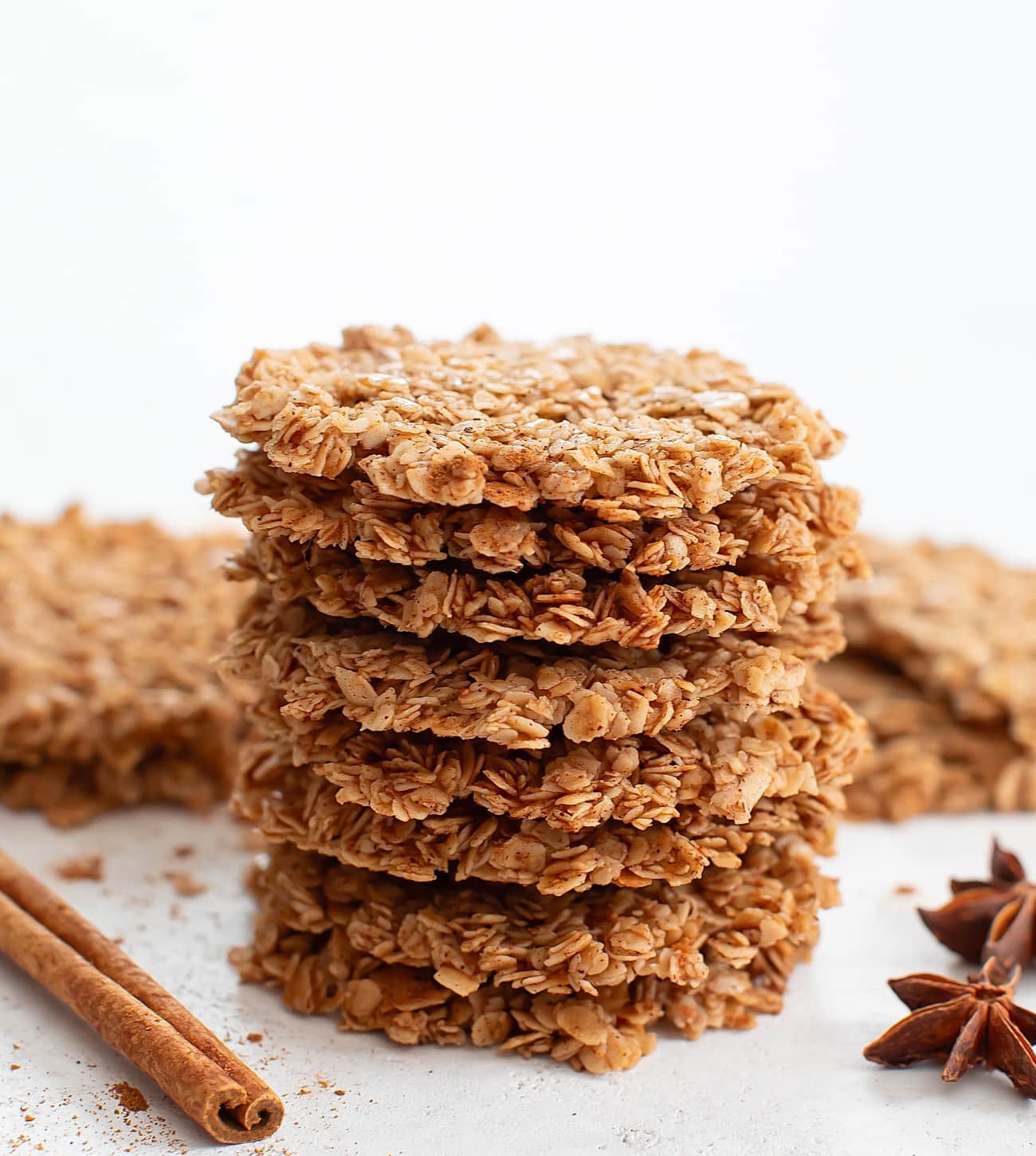
Healthy oatmeal cookies are a delicious option for anyone who wants homemade snacks made with simple ingredients. These cookies combine the natural goodness of oats with ingredients such as ripe bananas, dates, cinnamon, and nut butter to create a naturally sweet treat without refined white or brown sugar.
Unlike many traditional cookie recipes, this version uses no refined sugar. The sweetness comes from ripe bananas and optional dates, while rolled oats provide texture and a satisfying bite. You can enjoy these cookies as a quick breakfast addition, an afternoon snack, or a homemade treat with tea or coffee.
The recipe is beginner-friendly and does not require complicated equipment. With a few pantry ingredients and a baking tray, you can prepare a batch of soft, flavorful oatmeal cookies at home.
Why Choose Healthy Oatmeal Cookies Without Refined Sugar?
Traditional cookies often contain white sugar, brown sugar, butter, and refined flour. These ingredients can fit into a balanced diet, but some people prefer recipes with less added sugar and more whole-food ingredients.
Homemade oatmeal cookies give you greater control over the ingredients. You can adjust the sweetness, choose your preferred fat source, and add nuts or seeds according to your taste.
Oats contain dietary fiber, including beta-glucan, a soluble fiber associated with several health benefits. Bananas provide natural sweetness and contribute moisture, helping the cookies stay soft without requiring large amounts of added sweeteners.
However, it is important to remember that naturally sweetened cookies still contain carbohydrates and natural sugars. They can be part of a balanced eating pattern, but they are not automatically suitable for every dietary requirement.
Recipe Overview
- Preparation time: 10 minutes
- Cooking time: 12–16 minutes
- Total time: Approximately 25 minutes
- Servings: 10–12 cookies
- Difficulty: Easy
- Baking temperature: 180°C (350°F)
- Main ingredients: Rolled oats, ripe bananas, nut butter, cinnamon, and baking powder
Ingredients for Healthy Oatmeal Cookies
The following ingredients make approximately 10–12 small cookies.
Main Ingredients
- 2 cups rolled oats
- 2 medium very ripe bananas
- 2 tablespoons natural peanut butter or almond butter
- 1 teaspoon ground cinnamon
- 1 teaspoon vanilla extract
- 1/2 teaspoon baking powder
- A small pinch of salt
Optional Ingredients
- 2–3 soft dates, finely chopped
- 2 tablespoons chopped walnuts
- 1 tablespoon chia seeds
- 2 tablespoons raisins
- 1–2 tablespoons unsweetened shredded coconut
Use the optional ingredients according to your preferences. If you want cookies with no added sweeteners, skip sweetened dried fruit and other sweetening ingredients.
Choose certified gluten-free oats if you need to avoid gluten because of celiac disease or another medical requirement. Regular oats can be affected by cross-contact during production.
Kitchen Equipment You Will Need
You do not need professional baking equipment to prepare these cookies.
Gather the following:
- One large mixing bowl
- A fork or potato masher
- A measuring cup and measuring spoons
- A baking tray
- Parchment paper
- A spoon or small cookie scoop
- An oven
If you do not have parchment paper, use a suitable lightly greased baking tray. Avoid adding excessive oil because it can change the texture.
Step-by-Step Instructions
Step 1: Preheat the Oven
Preheat your oven to 180°C (350°F). Prepare a baking tray with parchment paper or lightly grease it.
Preheating helps the cookies bake more evenly. If the oven is too cool, the cookies may spread differently or take longer to set.
Step 2: Mash the Bananas
Peel the bananas and place them in a large mixing bowl. Mash them with a fork until mostly smooth.
Very ripe bananas with brown spots work best because they are softer and generally sweeter than green or barely ripe bananas.
A few small banana pieces are fine, but large chunks may make the cookie mixture uneven.
Step 3: Add the Nut Butter and Vanilla
Add the peanut butter, vanilla extract, cinnamon, and salt to the mashed bananas.
Stir until the mixture is combined.
Natural peanut butter can separate during storage, so stir it thoroughly before measuring. If the mixture is too thick to stir comfortably, mix slowly rather than adding unnecessary liquid.
Step 4: Add the Oats and Baking Powder
Add the rolled oats and baking powder. Mix until all the oats are coated with the banana mixture.
The mixture should be thick and slightly sticky rather than runny.
If you want a softer texture, allow the mixture to rest for five minutes so the oats can absorb some moisture.
If the mixture appears excessively wet, add one or two tablespoons of oats. If it is too dry to hold together, add a little mashed banana.
Step 5: Add Optional Ingredients
Fold in chopped walnuts, chia seeds, raisins, or unsweetened coconut if desired.
For a simple everyday version, oats, bananas, nut butter, and cinnamon are enough.
Chopped nuts add crunch, while raisins provide extra sweetness. Remember that dried fruit contains concentrated natural sugars.
Step 6: Shape the Cookies
Scoop approximately one to two tablespoons of mixture for each cookie and place it on the prepared baking tray.
Leave a little space between cookies.
These cookies do not spread as much as traditional butter-and-sugar cookies. Use the back of a spoon to flatten each portion into a round cookie shape.
For more even baking, keep the cookies approximately the same thickness.
Step 7: Bake the Cookies
Place the tray in the preheated oven and bake for approximately 12–16 minutes.
The cookies are ready when their edges look set and the bottoms are lightly golden. Because they contain banana and no refined sugar, they may remain softer and less browned than conventional cookies.
Avoid overbaking them in an attempt to achieve a crunchy texture. Too much baking can make them dry.
Step 8: Allow Them to Cool
Remove the tray from the oven and let the cookies rest for about five minutes.
Transfer them carefully to a cooling rack if available. They will become firmer as they cool.
Do not stack the cookies while they are hot because trapped steam can make them damp.
Tips for Soft and Chewy Oatmeal Cookies
Use Very Ripe Bananas
Ripe bananas are essential for sweetness and moisture. Green bananas are firmer and less sweet, which can result in cookies with a less pleasant texture.
Choose Rolled Oats
Rolled oats provide a satisfying texture and hold their shape during baking. Quick oats can also work, but they may produce a softer, less textured cookie.
Steel-cut oats are not recommended as a direct replacement because they require more cooking and have a much firmer texture.
Do Not Expect Traditional Cookie Texture
These cookies do not contain the same ingredients as classic bakery cookies. They are naturally softer and more cake-like, with a noticeable banana flavor.
If you prefer crisp cookies, this particular recipe may not deliver the exact texture you expect.
Measure the Ingredients Carefully
Too much banana can make the cookies wet and soft. Too many oats can make them dry or crumbly.
If possible, use medium bananas and measure the oats rather than estimating the quantities.
Avoid Adding Too Many Extras
Large amounts of nuts, seeds, or dried fruit can prevent the mixture from binding properly. Add optional ingredients in moderate quantities.
Healthy Variations to Try
1. Cinnamon Oatmeal Cookies
Increase the cinnamon slightly for a warmer flavor. You can also add a small pinch of nutmeg.
This version pairs well with tea, coffee, or a glass of milk.
2. Banana Peanut Butter Cookies
Use peanut butter as the main nut butter and add a tablespoon of chopped roasted peanuts.
The peanut flavor complements the bananas and oats.
3. Apple Cinnamon Oatmeal Cookies
Add two tablespoons of finely grated apple and a little extra cinnamon.
Because apple adds moisture, reduce the mashed banana slightly if the mixture becomes too wet.
4. Coconut Oatmeal Cookies
Add one or two tablespoons of unsweetened shredded coconut.
Coconut gives the cookies a slightly chewy texture and a mild tropical flavor.
5. Nut-Free Oatmeal Cookies
Replace peanut or almond butter with sunflower seed butter if appropriate for your dietary needs.
Always check product labels for possible allergen cross-contact, especially when preparing snacks for children or people with severe allergies.
6. Date-Sweetened Oatmeal Cookies
Finely chop two or three soft dates and mix them into the dough.
Dates add sweetness and a caramel-like flavor. They also contribute natural sugars, so this variation is not sugar-free.
7. Chocolate Oatmeal Cookies
Add one tablespoon of unsweetened cocoa powder and a small amount of extra mashed banana if necessary.
You can also use a few pieces of sugar-free chocolate, provided the ingredients fit your dietary needs. Check the label because sugar-free products may contain alternative sweeteners.
How to Make Oatmeal Cookies Without Eggs
This recipe does not require eggs. Mashed bananas help bind the ingredients and provide moisture.
Unlike some egg-free cookie recipes, you do not need a separate flax egg or commercial egg replacer.
The result will be softer than many conventional cookies, but the oats and banana mixture should hold together once baked and cooled.
If your cookies fall apart, check whether you used enough banana and whether you allowed them to cool before moving them.
Are These Cookies Suitable for Breakfast?
Healthy oatmeal cookies can be convenient when you need a quick snack in the morning. Oats provide carbohydrates and fiber, while peanut butter contributes fat and some protein.
However, these cookies may not provide everything you need for a complete breakfast.
For a more balanced meal, serve one or two cookies with plain yogurt, milk, or an unsweetened fortified alternative. You could also add a serving of fresh fruit.
Portion size matters because the calories and carbohydrates increase when you add nut butter, nuts, dates, or other extras.
Storage Instructions
At Room Temperature
Because these cookies contain mashed banana and retain moisture, avoid assuming that they will keep safely at room temperature for several days.
For short-term storage, place completely cooled cookies in a clean, airtight container and refrigerate them promptly.
In the Refrigerator
Store the cookies in an airtight container in the refrigerator for approximately four to five days as a practical quality guideline.
Let them cool fully before storing them to reduce condensation. Discard any cookies that develop mold, an unusual smell, or other signs of spoilage.
In the Freezer
Arrange completely cooled cookies in a single layer and freeze them until firm. Transfer them to a freezer-safe container or bag, separating layers with parchment paper.
For the best quality, use them within approximately two months.
Thaw individual cookies in the refrigerator or reheat them gently until warmed through.
Common Mistakes to Avoid
Using Underripe Bananas
Underripe bananas provide less sweetness and can be difficult to mash. Use bananas that are soft and naturally sweet.
Making the Dough Too Wet
Too much banana can leave the center overly soft. Add oats gradually until the mixture holds its shape.
Flattening the Cookies Too Much
Very thin cookies can dry out quickly. Shape them into evenly sized rounds with moderate thickness.
Removing Them Too Early
The cookies may look soft when they first come out of the oven. Allow them to cool so their structure can firm up.
Storing Them While Warm
Warm cookies release steam, which can create excess moisture inside the container. Cool them first and refrigerate promptly.
Frequently Asked Questions
Can I make oatmeal cookies without refined sugar?
Yes. This recipe uses ripe bananas for natural sweetness and does not require refined white or brown sugar.
Are these oatmeal cookies completely sugar-free?
No. Bananas contain naturally occurring sugars. If you need a sugar-free recipe for a specific medical or dietary reason, check the ingredients and follow the relevant dietary guidance.
Can I use quick oats instead of rolled oats?
Yes. Quick oats usually work, although the texture may be softer and less chewy.
Can I make these cookies without peanut butter?
Yes. You can use almond butter or a suitable seed butter. You may need to adjust the mixture slightly to achieve the right consistency.
Why are my oatmeal cookies falling apart?
They may need more binding moisture, a little more mashed banana, or additional cooling time. Handle them gently while warm.
Can I prepare the cookie dough in advance?
You can prepare the mixture a few hours ahead and keep it covered in the refrigerator. If it becomes too firm, allow it to soften slightly before shaping.
Can I add chocolate chips?
Yes. Add a small quantity of chocolate chips if desired. Choose a product that suits your dietary preferences and remember that regular chocolate chips contain sugar.
Are these cookies gluten-free?
Oats are naturally gluten-free, but contamination can occur during processing. Choose certified gluten-free oats when strict gluten avoidance is necessary.
How many cookies can I eat in one serving?
Serving size depends on the cookie size and your nutritional needs. Start with one or two small cookies and pair them with other foods if you want a more substantial snack.
Can children eat these cookies?
They can be an option for children who tolerate the ingredients. Consider age-appropriate texture, allergies, and portion size, particularly when adding nuts or seeds.
Final Thoughts
Healthy oatmeal cookies without refined sugar are an easy homemade snack made with familiar ingredients. Rolled oats provide texture, ripe bananas add natural sweetness, and nut butter helps create a soft, satisfying cookie.
The recipe is flexible enough for different tastes, including cinnamon, coconut, peanut butter, and date variations. With simple preparation and careful storage, these cookies can become a useful addition to your collection of homemade snack recipes.
For the best results, use ripe bananas, measure the oats carefully, avoid excessive moisture, and let the cookies cool before serving.