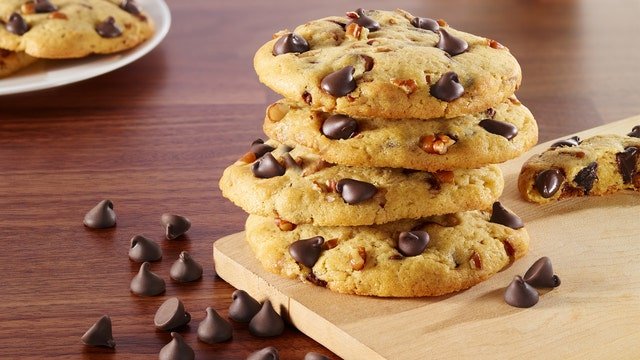
Sugar-free chocolate chip cookies are a delicious option for people who want to enjoy homemade cookies while reducing their sugar intake. With the right ingredients and baking techniques, you can prepare soft, chewy cookies that deliver a satisfying chocolate flavor without relying on traditional white or brown sugar.
Many classic chocolate chip cookie recipes contain substantial amounts of added sugar. Although traditional cookies can be enjoyed as part of a balanced diet, some people prefer alternatives that use sugar-free chocolate chips, suitable low-calorie sweeteners, and carefully selected baking ingredients.
This homemade sugar-free chocolate chip cookies recipe is designed for beginners and experienced home bakers alike. It uses straightforward ingredients, simple mixing techniques, and easy-to-follow baking instructions. You can also adjust the recipe to create softer cookies, crispier edges, gluten-free variations, or dairy-free alternatives.
Whether you are preparing an afternoon snack, a lunchbox treat, or a dessert to share with family and friends, this recipe provides a practical starting point for making chocolate chip cookies with little or no added sugar.
What Are Sugar-Free Chocolate Chip Cookies?
Sugar-free chocolate chip cookies are cookies prepared without conventional sugar or with ingredients specifically chosen to reduce sugar content. Depending on the recipe, they may use alternative sweeteners such as erythritol, stevia blends, or monk fruit sweetener instead of white or brown sugar.
Sugar-free chocolate chips are also important because regular chocolate chips usually contain added sugar. Using a suitable sugar-free variety helps maintain the chocolate flavor while keeping the recipe lower in sugar.
However, the term “sugar-free” does not automatically mean that a cookie contains no carbohydrates, calories, or naturally occurring sugars. Flour, milk, chocolate, and other ingredients can contribute carbohydrates or small amounts of naturally occurring sugar.
For this recipe, choose unsweetened or appropriately labeled sugar-free ingredients and check the nutrition information on the packaging.
Why Make Sugar-Free Chocolate Chip Cookies at Home?
Preparing cookies at home gives you control over the ingredients, sweetness, texture, and portion size.
1. Control the Sweetness
Commercial cookies often have a very sweet flavor. When baking at home, you can select a suitable sweetener and adjust the amount to match your preferences.
Some sugar substitutes taste sweeter than sugar, while others can have a cooling sensation or a slight aftertaste. Testing the sweetener before preparing a large batch can help you choose the best option.
2. Choose Your Preferred Ingredients
Homemade baking makes it easier to select the type of flour, fat, chocolate chips, and flavorings you prefer.
For example, you can use all-purpose flour for a traditional cookie texture or try a gluten-free flour blend if you need to avoid gluten.
3. Prepare Fresh Cookies
Freshly baked cookies have a pleasant aroma and a texture that can be difficult to reproduce in packaged products.
You can bake a small batch whenever you want a snack instead of purchasing a large package.
4. Adjust the Portion Size
Making individual cookies allows you to control how large each serving will be.
Smaller cookies can be useful when you want a modest dessert, while larger cookies provide a more substantial treat. Remember that portion size affects the total calories and carbohydrates you consume.
5. Explore Different Flavors
The basic recipe can be adapted with vanilla, cinnamon, chopped nuts, unsweetened coconut, or different varieties of sugar-free chocolate chips.
These variations help you experiment without needing to learn an entirely new recipe.
Sugar-Free Chocolate Chip Cookies Recipe Overview
- Preparation time: 15 minutes
- Chilling time: 20–30 minutes
- Baking time: 10–13 minutes per batch
- Total time: Approximately 50–60 minutes
- Yield: 18–22 small cookies
- Difficulty: Easy to moderate
- Oven temperature: 175°C (350°F)
- Main flavor: Vanilla and chocolate
- Recipe type: Reduced-sugar homemade dessert
The exact yield depends on the size of the cookies and how much dough you use for each portion.
Ingredients for Sugar-Free Chocolate Chip Cookies
The following ingredients make a batch of homemade cookies with a traditional chocolate chip cookie flavor.
Dry Ingredients
- 1 1/2 cups all-purpose flour
- 1/2 teaspoon baking soda
- 1/4 teaspoon salt
Wet Ingredients
- 1/2 cup unsalted butter, softened
- 1/3 to 1/2 cup granulated sugar substitute suitable for baking
- 1 large egg
- 2 teaspoons vanilla extract
Chocolate Ingredients
- 1/2 cup sugar-free chocolate chips
Optional Ingredients
- 2 tablespoons chopped walnuts
- 1/4 teaspoon ground cinnamon
- 1 tablespoon unsweetened cocoa powder for a deeper chocolate flavor
Use a granulated sweetener intended for baking. If you use a concentrated sweetener or a product with a different sweetness level from sugar, follow the manufacturer’s conversion guidance.
For a genuinely sugar-free result, verify that the chocolate chips and sweetener meet the definition applicable in your country. Some products marketed as sugar-free contain small amounts of carbohydrates or naturally occurring sugars.
Understanding the Best Sweeteners for Sugar-Free Cookies
Choosing the right sweetener is one of the most important steps in this recipe because sugar does more than provide sweetness.
In traditional cookies, sugar helps with browning, spreading, moisture retention, and texture. Replacing it may change how the dough behaves in the oven.
Erythritol
Erythritol is a sugar alcohol used in many reduced-sugar baking products. It provides sweetness with fewer calories than conventional sugar.
However, erythritol does not behave exactly like sugar. Cookies made with it may spread less, brown differently, or develop a slightly cooling sensation.
Some people also experience digestive discomfort when consuming larger amounts of sugar alcohols.
Monk Fruit Sweetener
Monk fruit sweeteners are commonly sold as blends with other sweeteners or bulking ingredients.
Their suitability for baking depends on the formulation. A granulated blend designed to replace sugar volume-for-volume is generally easier to use than a highly concentrated liquid product.
Check the label to determine whether the blend contains erythritol or another ingredient that may affect texture.
Stevia-Based Sweeteners
Stevia-based sweeteners can provide sweetness without conventional sugar. Some products are highly concentrated and need to be used in very small quantities.
For cookies, a baking blend is usually more convenient because it can provide some of the bulk normally supplied by sugar.
Using pure concentrated stevia without adjusting the recipe may result in cookies that are too dry or lack the expected structure.
Allulose
Allulose is another sweetener used in some reduced-sugar baking recipes. It can behave more like sugar in certain applications, including contributing to browning and softness.
Its availability and regulatory status vary by country. Follow local food-labeling guidance and the product manufacturer’s instructions.
Important: Not every sugar substitute is interchangeable. Use a baking sweetener that is appropriate for your recipe, and remember that large amounts of certain sweeteners may cause digestive symptoms.
Step-by-Step Instructions
Step 1: Preheat the Oven
Preheat the oven to 175°C (350°F).
Line a baking tray with parchment paper. If you do not have parchment paper, use a suitable baking tray with a light coating of butter.
Preheating helps the cookies bake more evenly. Allow the oven to reach the target temperature before putting the tray inside.
Step 2: Mix the Dry Ingredients
In a medium bowl, combine the all-purpose flour, baking soda, and salt.
Whisk these ingredients together until evenly distributed.
Mixing the dry ingredients first helps prevent concentrated pockets of baking soda in the finished cookies.
If you are using a gluten-free flour blend, select one designed for baking and follow any instructions provided by the manufacturer.
Step 3: Cream the Butter and Sweetener
Place the softened butter in a large mixing bowl.
Add the granulated baking sweetener and beat the mixture until it looks creamy and well combined.
Depending on the sweetener, the mixture may not become as fluffy as traditional butter and sugar. This is normal.
Avoid melting the butter completely. Softened butter generally produces better control over cookie texture than hot or liquid butter.
Step 4: Add the Egg and Vanilla
Add the egg and vanilla extract to the butter mixture.
Beat until the ingredients are combined and the mixture looks reasonably smooth.
If the mixture appears slightly separated, continue mixing briefly. Small differences in temperature between the ingredients can affect the appearance without necessarily ruining the recipe.
For a dairy-free variation, use a suitable plant-based baking butter. For an egg-free variation, you may need a different recipe or a tested egg replacer because eggs contribute structure and moisture.
Step 5: Combine the Wet and Dry Ingredients
Add the flour mixture to the wet ingredients in two or three portions.
Stir gently after each addition until a soft dough forms.
Avoid excessive mixing after the flour has been added. Overmixing can develop gluten and make cookies tougher than intended.
The dough should be thick enough to scoop and shape. If it is extremely sticky, refrigerate it briefly before making adjustments.
Step 6: Fold in the Chocolate Chips
Add the sugar-free chocolate chips and fold them through the dough.
Distribute them evenly so that each cookie contains a reasonable amount of chocolate.
If you enjoy extra chocolate flavor, reserve a few chips to press into the tops of the cookies immediately before baking.
You can also add a small amount of chopped walnuts, but too many extra ingredients may change how the cookies hold together.
Step 7: Chill the Dough
Cover the bowl and refrigerate the dough for approximately 20–30 minutes.
Chilling helps firm the butter and can reduce excessive spreading. This is especially helpful when the kitchen is warm.
Some sugar substitutes produce a dough that behaves differently from conventional cookie dough, so the ideal chilling time may vary slightly.
If the dough becomes very firm, allow it to stand briefly at room temperature before scooping.
Step 8: Shape the Cookies
Scoop approximately one tablespoon of dough for each small cookie.
Roll the portions gently between your hands if necessary, then place them on the prepared tray.
Leave around 5 centimetres of space between cookies to allow for spreading.
Press each portion down slightly if your sweetener or flour blend produces dough that does not spread much during baking.
For consistent results, keep the portions approximately the same size.
Step 9: Bake the Cookies
Bake the cookies for approximately 10–13 minutes.
Look for edges that are set and lightly golden. The centers may still look slightly soft when the cookies are ready.
Sugar-free cookies may not brown in the same way as traditional cookies, so do not rely on color alone.
Avoid overbaking. The cookies continue to firm up as they cool, and excessive baking can make them dry or crumbly.
Step 10: Cool Before Serving
Remove the tray from the oven and allow the cookies to rest for about five minutes.
Transfer them carefully to a cooling rack.
Let them cool further before serving or storing them. Their structure and texture will continue to develop as the butter firms and the cookies settle.
If you move them too early, they may break apart.
Tips for Soft and Chewy Sugar-Free Cookies
Use Softened Butter
Softened butter mixes more easily with the sweetener and helps create a consistent dough.
Butter that is too cold may remain in lumps, while completely melted butter can make the dough greasy and cause unwanted spreading.
Select the Right Sweetener
The sweetener has a major influence on the final texture.
A granulated baking blend designed to replace sugar is often the easiest option for beginners. Check whether the product measures cup-for-cup like sugar or requires a different quantity.
Avoid Adding Too Much Flour
Excess flour can produce dry, dense cookies.
Measure the flour using a kitchen scale when possible. If using measuring cups, spoon the flour into the cup and level the top instead of packing it tightly.
Do Not Overbake
Remove the cookies when their edges are set and their centers are just beginning to firm.
Sugar-free cookies can become dry if baked for too long, particularly when the sweetener does not retain moisture like conventional sugar.
Let the Cookies Cool
Freshly baked cookies are delicate. Allowing them to cool helps them hold their shape.
This is particularly important when the dough contains a sweetener that produces a different texture from ordinary sugar.
How to Make Crispy Sugar-Free Chocolate Chip Cookies
Some people prefer cookies with crisp edges and a firmer bite rather than a soft center.
To encourage a crispier texture, consider the following adjustments.
- Shape the dough into slightly thinner portions.
- Bake toward the upper end of the suggested baking time, watching carefully.
- Let the cookies cool completely on a rack.
- Avoid adding too much liquid or extra wet ingredients.
- Use a baking sweetener known to perform well in crisp cookies.
Do not increase the oven temperature dramatically to make the cookies crispier. The edges may burn before the centers bake properly.
Also remember that sugar substitutes vary. A recipe that becomes crisp with one product may remain softer with another.
How to Make Sugar-Free Cookies Without Brown Sugar
Traditional chocolate chip cookies often use brown sugar for moisture, color, and a mild caramel-like flavor.
This recipe does not require brown sugar.
Instead, it uses a granulated baking sweetener, butter, vanilla, and chocolate chips to create a familiar cookie flavor.
If you want a deeper flavor, you can add a small amount of cinnamon or use chocolate chips with a stronger cocoa taste.
You should not assume that adding molasses, honey, maple syrup, or dates will preserve a sugar-free result. These ingredients contain sugars and change the nutritional profile.
Healthy Ingredient Substitutions
Whole Wheat Flour
You can replace some of the all-purpose flour with whole wheat flour.
For a first attempt, replace approximately one-quarter of the flour and evaluate the texture. Whole wheat flour absorbs moisture differently and can make cookies denser.
Using whole wheat flour does not make the cookies sugar-free by itself, but it can increase the amount of whole grain in the recipe.
Gluten-Free Flour
A commercial gluten-free baking blend can work if it is suitable for cookies.
Different blends absorb liquid differently. If the dough appears unusually dry or crumbly, follow the manufacturer’s guidance and adjust cautiously.
Choose certified gluten-free ingredients when strict gluten avoidance is required.
Dairy-Free Butter
A plant-based baking butter can replace conventional butter in many cookie recipes.
Choose a product intended for baking rather than an oil spread with a very high water content. Different plant-based fats can affect spread, firmness, and flavor.
Sugar-Free Dark Chocolate Chips
Choose chocolate chips that are labeled sugar-free and appropriate for your dietary needs.
Check the ingredient list and nutrition panel because products may use different sweeteners and may still contain carbohydrates.
Chopped Nuts
Walnuts, pecans, or almonds can add crunch and flavor.
Use moderate quantities so the dough can still bind properly. Avoid nuts if they are unsuitable for you or anyone who will eat the cookies.
Dairy-Free Sugar-Free Chocolate Chip Cookies
You can adapt this recipe for a dairy-free diet by replacing the butter with plant-based baking butter and choosing dairy-free sugar-free chocolate chips.
Check the chocolate label carefully because many chocolate products contain milk ingredients.
Follow the same mixing and baking method, but expect that the dough may spread differently depending on the plant-based butter.
If the dough is too soft, chill it for a little longer. If it becomes excessively firm, allow it to soften briefly before shaping.
Dairy-free does not automatically mean allergen-free. Check for cross-contact warnings if preparing food for someone with a serious allergy.
Egg-Free Sugar-Free Chocolate Chip Cookies
Eggs help bind ingredients and provide moisture and structure.
For an egg-free version, a tested egg replacer may work, but the result depends on the product and the rest of the recipe.
A commercial egg replacer designed for baking is a reasonable starting point. Follow its package instructions rather than assuming that every product can be substituted in the same quantity.
Flaxseed mixtures may also work in some cookies, but they can produce a denser, less traditional texture.
For reliable results, use a version of the recipe specifically tested without eggs.
Gluten-Free Sugar-Free Chocolate Chip Cookies
A gluten-free version requires more than simply removing ordinary flour.
Use a gluten-free flour blend designed for cookies and make sure the other ingredients meet your needs.
Some gluten-free blends contain starches and binding ingredients that behave differently from wheat flour. As a result, the dough may require a short resting period before baking.
If the cookies crumble, check the blend’s instructions and avoid adding excessive flour. If they spread too much, chilling may help.
For people with celiac disease, choose certified gluten-free products where appropriate and avoid cross-contact from baking trays, utensils, and work surfaces.
Common Mistakes to Avoid
Using the Wrong Type of Sweetener
Highly concentrated sweeteners may not provide the bulk needed for cookies.
Use a baking blend or a recipe specifically designed for your chosen sweetener.
Replacing Every Ingredient at Once
Changing the flour, butter, egg, and sweetener simultaneously makes it difficult to identify what affected the result.
For the best chance of success, test one substitution at a time.
Skipping the Chilling Step
Warm dough may spread too quickly, especially in a warm kitchen.
Chilling helps firm the fat and makes the dough easier to portion.
Adding Too Much Chocolate
Extra chocolate chips may seem appealing, but too many can interfere with the dough’s structure.
Measure the chocolate chips and distribute them evenly.
Baking Until the Centers Look Completely Firm
The cookies may continue to firm after they leave the oven.
Removing them when the edges are set and the centers are slightly soft can help prevent dryness.
Storing Cookies Before They Cool
Warm cookies release moisture into their container. Let them cool fully before storing them.
How to Store Sugar-Free Chocolate Chip Cookies
At Room Temperature
Once completely cooled, store the cookies in an airtight container in a cool, dry place.
For best quality, consume them within approximately three days, depending on the ingredients and conditions in your kitchen.
If the recipe contains perishable additions or the storage environment is hot and humid, refrigeration may be preferable.
In the Refrigerator
Place cooled cookies in an airtight container and refrigerate them for approximately five to seven days as a practical quality guideline.
Keep them away from strong-smelling foods because cookies can absorb odors.
If they become firm in the refrigerator, allow them to stand briefly at room temperature before serving.
In the Freezer
Sugar-free chocolate chip cookies can usually be frozen for longer storage.
Arrange the cooled cookies in a single layer until firm, then transfer them to a freezer-safe container or bag. Separate layers with parchment paper to prevent sticking.
For the best quality, use them within about two months.
Thaw the cookies in the refrigerator or at room temperature in a clean environment. Avoid repeatedly thawing and refreezing the same batch.
Can People With Diabetes Eat Sugar-Free Cookies?
Sugar-free cookies may be an option for some people who are monitoring their sugar intake, but the label alone does not determine whether a food is suitable for an individual.
Flour, chocolate, milk ingredients, and certain sweeteners can contribute carbohydrates. Carbohydrates can affect blood glucose even when a product contains no conventional added sugar.
If you have diabetes, consider the total carbohydrate content, serving size, and your individual meal plan. Check the nutrition label on every packaged ingredient.
Some sugar alcohols may cause digestive discomfort, and different sweeteners can affect people differently. A healthcare professional or registered dietitian can help you determine how a particular snack fits your dietary needs.
Are Sugar-Free Cookies Low in Calories?
Not necessarily.
Removing conventional sugar may reduce the calories in a recipe, depending on the sweetener used and the ingredients that replace it. However, butter, flour, chocolate, and nuts can still contribute substantial calories.
Some sugar substitutes contain very few calories, while other baking blends include ingredients that contribute energy and carbohydrates.
The best way to estimate the nutritional value is to calculate it using the exact ingredients and quantities you use, then divide the total by the number of cookies produced.
Avoid assuming that a sugar-free cookie is automatically suitable for unlimited consumption.
Frequently Asked Questions
1. What makes chocolate chip cookies sugar-free?
A sugar-free recipe avoids conventional sugar and uses suitable alternatives for sweetness. To maintain a genuinely sugar-free result, check the sweetener and chocolate labels rather than relying only on the recipe name.
2. Which sweetener is best for sugar-free cookies?
A granulated sweetener designed for baking is generally convenient. Erythritol blends, monk fruit blends, and other baking sweeteners can work, but their effects on spread, browning, and texture differ.
3. Can I use regular chocolate chips?
Regular chocolate chips usually contain added sugar. If your goal is to reduce sugar, use a suitable sugar-free or no-added-sugar alternative and check its nutrition information.
4. Why are my sugar-free cookies dry?
They may contain too much flour, have been baked for too long, or use a sweetener that retains less moisture than sugar.
Measure the flour carefully and remove the cookies when the edges are set.
5. Why did my cookies not spread?
The dough may be too cold, the flour quantity may be too high, or the sweetener may not behave like sugar.
Flatten the dough portions slightly before baking if necessary.
6. Can I make these cookies without butter?
Yes. A suitable plant-based baking butter can work. However, different fats contain different amounts of water and can change the texture.
7. Can I use almond flour?
Almond flour can be used in a specifically tested almond flour cookie recipe. Replacing all-purpose flour with almond flour in equal quantities may produce cookies that spread differently or fall apart.
8. Can I add nuts or seeds?
Yes. Small amounts of chopped nuts or seeds can add texture. Keep the quantity moderate and consider allergies.
9. How do I know when sugar-free cookies are done?
Look for set edges and centers that are just beginning to firm. Color can be less reliable than in traditional cookies because some sweeteners do not brown in the same way.
10. Can I freeze the cookie dough?
Yes. Scoop the dough into individual portions and freeze them on a tray before transferring them to a freezer-safe container.
When baking from frozen, you may need to add a little baking time. Check that the cookies are properly baked before serving.
11. Are sugar-free cookies keto-friendly?
Not automatically. Traditional flour contains carbohydrates, and some sugar substitutes contain carbohydrates as well.
A keto-friendly recipe usually requires carefully selected ingredients and a calculation of net carbohydrates based on the relevant product labels.
12. Can I use coconut flour?
Coconut flour absorbs much more moisture than all-purpose flour. It should not be substituted cup-for-cup without changing the recipe.
Use a tested coconut flour cookie recipe for more reliable results.
13. Can I make the dough ahead of time?
Yes. Cover and refrigerate the dough for a short period before baking. For longer storage, freezing individual dough portions is a convenient option.
14. Are sugar-free cookies suitable for children?
They may be suitable depending on the ingredients, age, allergies, and individual dietary needs.
Some sugar substitutes can cause digestive discomfort, particularly in larger quantities. Check the ingredients and offer reasonable portions.
15. How can I make the cookies more chocolatey?
Use a stronger-flavored sugar-free dark chocolate chip, or add a small quantity of unsweetened cocoa powder with an appropriate adjustment to the dry ingredients.
16. Can I make this recipe without chilling the dough?
You can try baking immediately, but the cookies may spread more. Chilling is useful when the dough is soft or the kitchen is warm.
17. Do sugar-free cookies taste exactly like regular cookies?
Not always. Different sweeteners affect sweetness, browning, moisture, and aftertaste. A suitable baking blend and proper technique can help produce a satisfying result, but the texture may differ.
18. How many cookies does this recipe make?
The recipe produces approximately 18–22 small cookies, depending on the size of each portion.
19. Can I use this recipe for a cookie business?
You can use it as a starting point for recipe development, but test consistency, shelf life, packaging, ingredient labeling, and local food regulations before selling the cookies.
20. What is the best way to serve sugar-free chocolate chip cookies?
Serve them after cooling with tea, coffee, or an unsweetened beverage. They can also be enjoyed as an occasional dessert alongside fruit or another snack.
Final Thoughts
Sugar-free chocolate chip cookies can be a practical homemade alternative for people who want to reduce conventional sugar while still enjoying a familiar dessert.
The key to success is choosing a baking sweetener that suits your recipe, measuring ingredients carefully, chilling the dough when needed, and avoiding overbaking. Sugar-free chocolate chips provide the characteristic chocolate flavor, while vanilla and butter help create a familiar cookie aroma.
You can adapt the recipe with gluten-free flour, dairy-free baking butter, or suitable additional flavors, but remember that every substitution can change the final texture.
For the best results, begin with the basic recipe, make small adjustments, and record the sweetener and baking time that work best in your kitchen. Always check ingredient labels if you need to manage sugar intake, carbohydrates, allergens, or other dietary requirements.