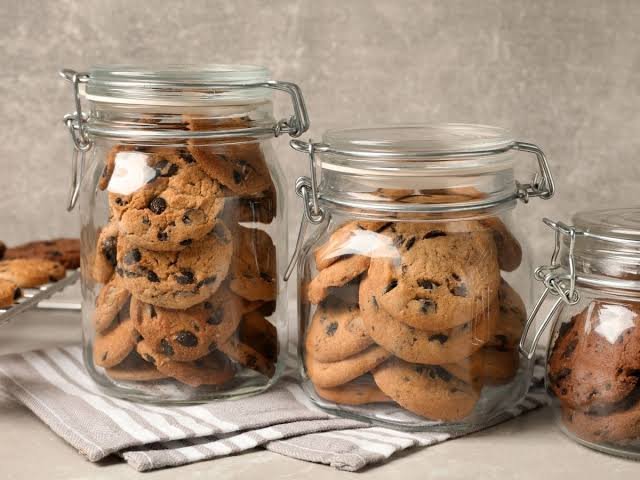
Homemade cookies taste best when they have the right texture, delicious flavor, and fresh-baked aroma. Soft cookies should remain tender and chewy, while crispy cookies should retain their satisfying crunch. However, cookies can become hard, stale, soggy, or lose their flavor when they are stored incorrectly.
The good news is that you can keep homemade cookies fresh for longer by choosing the right storage method, cooling them properly, using airtight containers, and understanding how different ingredients affect freshness. You do not always need expensive storage products or special equipment. A clean container, a cool and dry storage area, and a few simple techniques can make a noticeable difference.
Different cookies require different storage methods. Chocolate chip cookies, sugar cookies, oatmeal cookies, butter cookies, and decorated cookies may respond differently to humidity, temperature, and exposure to air. Some cookies are best stored at room temperature, while others may require refrigeration or freezing because of their fillings or toppings.
This complete guide explains how to store homemade cookies to keep them fresh longer, how to prevent them from becoming hard or soggy, how to freeze cookie dough, and how to identify the best storage method for different types of cookies.
Why Proper Cookie Storage Matters
Cookies contain ingredients such as flour, butter, sugar, eggs, chocolate, and sometimes milk or fruit. After baking, these ingredients continue to interact with the surrounding environment.
Air exposure, humidity, heat, and incorrect packaging can gradually change the texture and flavor of cookies.
Prevents Cookies From Becoming Stale
When cookies are exposed to air, they gradually lose their desirable texture. Soft cookies may become hard, while crispy cookies may lose their crunch if they absorb moisture from the environment.
An airtight container helps slow these changes by limiting the exchange of moisture between the cookies and the surrounding air.
Preserves Flavor
Butter, vanilla, chocolate, spices, and other ingredients contribute to the flavor of homemade cookies. Improper storage can allow cookies to absorb odors from nearby foods or develop stale flavors.
A clean, tightly sealed container helps protect their original taste.
Maintains the Right Texture
Texture is one of the most important qualities of a good cookie.
Soft chocolate chip cookies should not become excessively dry, and crispy butter cookies should not turn limp. Separating different cookie varieties and using suitable storage conditions can help preserve their intended texture.
Reduces Food Waste
When cookies are stored correctly, they are more likely to remain enjoyable for longer. This helps reduce waste, especially when you bake large batches for family gatherings, celebrations, or special occasions.
Makes Meal Preparation Easier
You can bake cookies ahead of time for school snacks, lunchboxes, parties, or unexpected guests. Freezing baked cookies or prepared dough makes it easier to enjoy homemade treats without starting from scratch every time.
The Golden Rule: Cool Cookies Completely Before Storing
One of the most common cookie-storage mistakes is putting warm cookies directly into a sealed container.
Freshly baked cookies release heat and moisture. When warm cookies are sealed, that moisture can collect inside the container as condensation.
This trapped moisture can soften crispy cookies, create soggy surfaces, and encourage spoilage if the cookies remain damp.
How to Cool Cookies Correctly
Follow these steps after baking:
- Remove the baking tray from the oven.
- Let the cookies rest on the tray for approximately five to ten minutes, depending on their size and texture.
- Transfer them carefully to a cooling rack.
- Allow them to cool until they reach room temperature.
- Check that the bottoms and centers are no longer warm.
- Place them in a clean, dry storage container.
Thin cookies may cool relatively quickly, while large bakery-style cookies may need more time.
Avoid stacking soft cookies while they are still warm because their surfaces may stick together.
Why a Cooling Rack Helps
A cooling rack allows air to circulate around the cookies, including underneath them. This helps release residual heat and moisture more evenly.
If you do not have a cooling rack, place the cookies in a single layer on a clean, dry surface that can tolerate the heat. Avoid covering them while they are still warm.
Best Containers for Storing Homemade Cookies
The container you choose affects how well cookies maintain their texture.

1. Airtight Plastic Containers
Airtight plastic containers are a practical choice for everyday cookie storage.
They are lightweight, reusable, and easy to transport. Choose food-safe containers with secure-fitting lids.
Before storing cookies, make sure the container is completely clean and dry. Even a small amount of leftover moisture can affect the texture of crispy cookies.
2. Glass Containers With Tight-Fitting Lids
Glass containers can also work well when their lids form a good seal.
They are easy to clean and do not usually retain odors as readily as some plastic containers. However, glass can break, so use care when storing cookies around children or in busy kitchens.
The quality of the seal matters more than whether the container is made of glass or plastic.
3. Metal Cookie Tins
Traditional cookie tins can be useful for butter cookies, sugar cookies, and other relatively dry varieties.
Choose a tin with a well-fitting lid. If the lid is loose, the cookies may be exposed to air and lose their texture more quickly.
A clean tin lined with food-safe parchment paper can also help prevent sticking.
4. Resealable Food Storage Bags
Resealable bags are convenient for small batches, lunchboxes, and freezer storage.
Press out excess air before sealing the bag, but avoid crushing delicate cookies.
For soft cookies, a good-quality sealed bag can help limit moisture loss. For freezing, choose bags specifically suitable for freezer use.
5. Cookie Jars
Decorative cookie jars can look attractive on a kitchen counter, but not every jar is suitable for long-term storage.
If the lid does not seal tightly, the cookies may become stale more quickly. A decorative jar with a loose lid is best used for cookies that will be eaten soon.
For longer storage, use a genuinely airtight container.
How to Store Soft Cookies So They Stay Soft
Soft cookies, including chocolate chip, oatmeal, and some sugar cookies, need protection from excessive moisture loss.
Their texture depends partly on the amount of moisture retained after baking.
Use an Airtight Container
Once the cookies are completely cool, place them in a container with a secure lid.
Limit the number of times the container remains open, especially in dry or warm environments.
Avoid Refrigerating Ordinary Soft Cookies Unnecessarily
Refrigeration can make some cookies feel firmer and may affect their texture. Plain, fully baked cookies are generally best stored at room temperature when they can be kept safely in a cool, dry place.
However, cookies with cream cheese, custard, fresh dairy fillings, or other perishable ingredients may require refrigeration.
Keep the Cookies Away From Heat
Store the container away from direct sunlight, ovens, stovetops, and other sources of heat.
Warm conditions can soften chocolate, alter butter-rich textures, and shorten the period during which cookies retain their best quality.
Do Not Mix Very Moist Cookies With Dry Cookies
Soft cookies can release moisture, while crispy cookies can absorb it. Storing both together may cause the textures to change.
Use separate containers for different cookie types.
How to Keep Crispy Cookies Crunchy
Crispy cookies require a different approach from soft cookies.
Butter cookies, thin sugar cookies, and some shortbread varieties are intended to have a dry, crisp texture. Exposure to humid air can cause them to lose their crunch.
Cool Them Completely
Never seal crispy cookies while they are warm. Allow all the heat and excess moisture to escape before storing them.
Use a Dry, Airtight Container
Place the cookies in a clean, dry container with a secure lid.
Avoid storing them near steam-producing appliances, boiling pots, or other sources of humidity.
Keep Them Separate From Soft Cookies
This is particularly important if you bake several varieties for a party.
Moisture can move from softer cookies to drier cookies, causing the crispy ones to become less crunchy.
What If Crispy Cookies Become Soft?
If the cookies have simply absorbed moisture and show no signs of spoilage, you may be able to restore some crispness by warming them briefly in a low-temperature oven.
Place them in a single layer and watch carefully because thin cookies can burn quickly. Let them cool completely before placing them in a dry container.
Do not attempt to revive cookies that show mold, unusual discoloration, or other signs of spoilage.
Should You Store Different Cookies Together?
It is generally better to store different cookie varieties separately.
Cookies can exchange moisture and absorb one another’s aromas. This is especially noticeable when you store crispy butter cookies alongside soft chocolate chip cookies.
Soft Chocolate Chip Cookies
Store these in a tightly sealed container after they have cooled completely.
Crispy Butter Cookies
Keep them in a separate dry, airtight container to preserve their crunch.
Spiced Cookies
Ginger, cinnamon, and other strongly flavored cookies may transfer their aroma to milder varieties. Separate storage helps preserve each flavor.
Decorated Sugar Cookies
Allow the icing to set fully before packing them. Place parchment paper between layers if the decorations might stick.
Cookies With Cream Fillings
Store these according to the filling’s food-safety requirements. Many cream-based fillings require refrigeration, so do not treat them like ordinary dry cookies.
How Long Do Homemade Cookies Stay Fresh?
The length of time cookies remain fresh depends on their ingredients, moisture content, packaging, and storage temperature.
The following table provides general quality guidelines rather than guaranteed safety limits.
| Cookie type | Typical storage approach | Approximate quality window |
|---|---|---|
| Chocolate chip cookies | Airtight container at room temperature | About 3–5 days |
| Soft sugar cookies | Airtight container at room temperature | About 3–5 days |
| Crispy butter cookies | Dry, airtight container | About 1–2 weeks |
| Oatmeal cookies | Airtight container at room temperature | About 3–5 days |
| Shortbread cookies | Airtight container in a cool, dry place | About 1–2 weeks |
| Decorated sugar cookies | Fully set icing and suitable airtight packaging | Often several days to about 1–2 weeks, depending on the icing and recipe |
| Cookies with perishable cream filling | Refrigeration when required | Depends on the recipe and food-safety requirements |
| Frozen baked cookies | Freezer-safe packaging | Best quality generally within 2–3 months |
These time frames assume appropriate handling and storage. They are not a guarantee that cookies remain safe for the entire period. Cookies containing perishable fillings may need refrigeration much sooner, and homemade recipes vary considerably.
Always inspect stored food before eating it. Discard cookies with mold, an unusual smell, or other signs of spoilage.
How to Store Homemade Cookies at Room Temperature
Room-temperature storage is convenient for many types of fully baked cookies.
Step 1: Cool the Cookies
Wait until the cookies have cooled completely.
Step 2: Select a Suitable Container
Choose a clean, dry, airtight container that is large enough to hold the cookies without crushing them.
Step 3: Arrange the Cookies Carefully
Place the cookies in a single layer when possible.
If you need to stack them, place parchment paper between the layers, especially when the cookies are delicate or have decorations.
Step 4: Seal the Container
Close the lid securely to limit exposure to air and humidity.
Step 5: Choose a Suitable Location
Store the container in a cool, dry cupboard away from sunlight, heat, and moisture.
Step 6: Check the Cookies Regularly
Look for changes in texture, smell, or appearance. If you notice mold or any other signs of spoilage, discard the affected cookies and assess whether the rest may have been contaminated.
How to Store Cookies in the Refrigerator
Refrigeration is not necessary for every type of cookie. In fact, it may make plain cookies firmer or affect their texture.
However, refrigeration is important for many cookies containing perishable ingredients.
Cookies That May Need Refrigeration
Examples include cookies filled or topped with:
- Cream cheese frosting or filling
- Custard
- Whipped cream
- Certain dairy-based fillings
- Other ingredients that require cold storage
Follow the recipe’s storage instructions and established food-safety guidance.
How to Refrigerate Cookies Properly
- Allow the cookies to cool if they have just been baked.
- Place them in a suitable covered container.
- Refrigerate promptly if the filling requires it.
- Keep them separate from raw foods and foods that could contaminate them.
- Follow the storage period recommended for the particular recipe.
Do not leave perishable cookies at room temperature for extended periods merely to preserve their texture.
For foods requiring refrigeration, the general rule is to avoid leaving them out for more than two hours, or more than one hour when the surrounding temperature is above 90°F (32°C).
How to Freeze Homemade Cookies
Freezing is one of the most useful ways to keep homemade cookies for longer.
It allows you to prepare cookies in advance, reduce waste, and enjoy a homemade dessert without baking a fresh batch every time.
Which Cookies Freeze Well?
Many plain cookies freeze well, including:
- Chocolate chip cookies
- Oatmeal cookies
- Sugar cookies
- Peanut butter cookies
- Shortbread cookies
- Ginger cookies
- Many fully baked butter cookies
Cookies with delicate decorations or certain fillings may require extra care. Some icings, cream fillings, and toppings can change texture after freezing and thawing.
Step-by-Step Freezing Method
Step 1: Cool completely. Warm cookies can create condensation inside the packaging.
Step 2: Choose freezer-safe packaging. Use a freezer-safe container or heavy-duty freezer bag.
Step 3: Separate the layers. Place parchment paper between layers to prevent sticking.
Step 4: Remove excess air. If using a freezer bag, press out as much air as practical without crushing the cookies.
Step 5: Label the package. Include the cookie type and freezing date.
Step 6: Freeze promptly. Keep the cookies in a consistently cold freezer.
For the best flavor and texture, try to use frozen baked cookies within about two to three months.
How to Thaw Frozen Cookies
The best thawing method depends on the cookie type.
Room-Temperature Thawing
Remove the desired number of cookies from the freezer and let them thaw in their packaging or a covered container.
Allowing them to thaw while covered helps reduce condensation directly on the cookies.
Once thawed, open the package and check the texture before serving.
Oven-Warming Method
If you want to restore a freshly baked feel, place suitable plain cookies in a low-temperature oven for a short period.
Use a gentle temperature and monitor them carefully. Thin or delicate cookies can become dry or burn quickly.
Let the cookies cool briefly before serving.
Microwave Method
A microwave can soften a cookie quickly, but it may also make the texture uneven.
If using one, warm a single cookie in short intervals. Avoid prolonged heating because the cookie can become tough as it cools.
Microwave warming is best for immediate consumption rather than preparing cookies for storage.
How to Freeze Cookie Dough for Freshly Baked Cookies
Freezing cookie dough is often more convenient than freezing baked cookies because you can bake only the number you need.
Method 1: Freeze Individual Dough Balls
- Prepare your favorite cookie dough.
- Scoop the dough into individual portions.
- Place the portions on a parchment-lined tray.
- Freeze until firm.
- Transfer them to a freezer-safe bag or container.
- Label the container with the dough type and date.
When you want cookies, place the portions on a baking tray and bake according to your recipe, allowing extra time if needed.
Some recipes work well when baked directly from frozen, while others require partial thawing. Follow the instructions for the specific dough.
Method 2: Freeze a Whole Portion of Dough
If you prefer, divide the dough into manageable portions and wrap each one securely.
Place the wrapped portions in a freezer-safe container or bag. Thaw the dough in the refrigerator before shaping and baking.
This method works well when you plan to bake a full batch later.
Method 3: Refrigerate Dough for Short-Term Storage
If you plan to bake soon, refrigeration may be more convenient than freezing.
Keep the dough covered and refrigerated, and follow the recipe’s recommended storage time. Many standard cookie doughs can be refrigerated for a short period, but recipes containing perishable ingredients may require specific handling.
Do not leave raw dough at room temperature for extended periods.
How to Store Chocolate Chip Cookies
Chocolate chip cookies are among the most popular homemade cookies, but they can become hard or lose their soft centers when exposed to air.
For Soft Chocolate Chip Cookies
Allow the cookies to cool completely, then store them in an airtight container.
Keep them away from direct sunlight and warm kitchen appliances. For best quality, enjoy them within about three to five days.
For Crispy Chocolate Chip Cookies
If the recipe produces thin, crispy cookies, focus on keeping moisture out.
Store them in a dry, airtight container and avoid placing them with soft cookies.
For Bakery-Style Cookies
Large bakery-style cookies may have a thick, soft center. Let them cool before stacking them, and separate the layers with parchment paper if necessary.
If the centers contain an underbaked or unusually moist mixture, do not assume that ordinary room-temperature storage is appropriate. Follow a tested recipe and ensure the cookies are baked and handled safely.
How to Store Sugar Cookies
Sugar cookies can be soft or crisp depending on the recipe.
Plain Sugar Cookies
Once completely cool, place them in an airtight container. If you prefer crisp cookies, keep them in a dry location and separate them from soft varieties.
Decorated Sugar Cookies
Royal icing and other decorations need enough time to dry or set before the cookies are stacked.
Depending on the icing and recipe, this may take several hours or longer.
Once the decorations have set, pack the cookies carefully. Use parchment paper between layers if necessary to protect the designs.
Sugar Cookies for Special Occasions
If you are preparing cookies for a birthday, wedding, or holiday, consider baking them ahead of time and freezing them before decorating.
Thaw them according to the recipe’s instructions, then decorate once they are fully thawed and dry.
This can help protect delicate decorations during storage.
How to Store Oatmeal Cookies
Oatmeal cookies often contain oats, butter, sugar, and sometimes raisins, nuts, or chocolate chips.
Their texture can range from soft and chewy to crisp.
For soft oatmeal cookies, use an airtight container after cooling completely. For crisp oatmeal cookies, make sure they are thoroughly cooled and stored in a dry environment.
If your oatmeal cookies contain dried fruit, their texture may change as moisture moves between the fruit and the surrounding cookie.
Keep oatmeal cookies separate from very crispy cookies if you want both varieties to retain their intended texture.
How to Store Butter Cookies and Shortbread
Butter cookies and shortbread often have a lower moisture content than soft chocolate chip cookies.
When baked properly and stored in a cool, dry environment, many of these cookies can maintain good quality for longer than soft cookies.
Let Them Cool Completely
Butter-rich cookies can be delicate when warm. Allow them to set before moving or packing them.
Use a Dry Container
A clean, airtight tin or container can help preserve their crisp texture.
Avoid Humidity
Moist air can soften crisp butter cookies. Keep them away from steam and damp storage areas.
Protect Delicate Shapes
If the cookies have decorative edges or are particularly fragile, use parchment paper between layers and avoid overfilling the container.
How to Store Homemade Cookies in Hot and Humid Weather
Hot and humid conditions can make cookie storage more challenging.
High temperatures can soften butter and chocolate, while humidity can cause crispy cookies to lose their crunch.
Choose a Cool Storage Location
Keep cookies away from sunny windows, hot appliances, and warm cupboards.
If your kitchen becomes very hot, choose the coolest suitable indoor storage area.
Use Airtight Packaging
A tight seal helps limit moisture exchange and protects cookies from odors.
For crispy cookies, the container must be completely dry before use.
Freeze Cookies for Longer Storage
If you have baked a large batch that will not be eaten soon, freezing may be a better option than leaving all the cookies at room temperature.
Cool them completely, pack them properly, and freeze them promptly.
Protect Chocolate From Heat
Chocolate chips and chunks can soften in hot conditions. Store chocolate-containing cookies away from heat and avoid stacking them while the chocolate is soft.
Be Careful With Perishable Fillings
Humidity alone is not the only concern. Heat can also increase food-safety risks for cookies containing perishable ingredients.
Follow refrigeration instructions for cream-filled or otherwise perishable cookies.
Can You Store Cookies With a Slice of Bread?
Some home bakers place a small piece of bread in the container with soft cookies to help them stay tender.
The idea is that the cookies can absorb some moisture from the bread as the two products equilibrate.
However, this method has limitations.
The cookies may become too soft if the moisture transfer is excessive, and bread can introduce food-safety or mold concerns if left for too long.
A better starting point is to cool cookies completely and store them in a suitable airtight container.
If you choose to use bread as a temporary technique, use a fresh piece, monitor the texture, and replace or remove the bread promptly. Do not use bread that shows any sign of spoilage.
Can You Use Sugar to Keep Cookies Fresh?
Sugar is important in baking because it affects sweetness, browning, moisture, and texture.
However, placing loose sugar in a cookie container is not a dependable substitute for proper packaging.
The most reliable way to maintain cookie freshness is to use an appropriate airtight container, store the cookies under suitable conditions, and avoid mixing varieties with very different moisture levels.
For recipes that are naturally dry and crisp, controlling humidity is particularly important.
How to Package Homemade Cookies for Gifts
Homemade cookies make thoughtful gifts for birthdays, holidays, celebrations, and family gatherings.
Good packaging helps protect their texture and appearance.
Choose Cookies That Travel Well
Firm sugar cookies, shortbread, and many chocolate chip cookies are easier to transport than cookies with delicate cream fillings or fragile toppings.
Cool Before Packing
Warm cookies can create condensation inside gift packaging. Allow them to cool completely before wrapping.
Separate Different Varieties
Use separate bags or compartments for cookies with different textures or strong flavors.
This prevents moisture transfer and helps maintain their individual aromas.
Protect Fragile Cookies
Place parchment paper between layers and avoid packing cookies so tightly that they break.
Use Suitable Food Packaging
Choose packaging intended for food contact. Decorative boxes should not expose the cookies to moisture, dirt, or unsuitable materials.
Include Storage Instructions
If the cookies require refrigeration, make that clear to the recipient. For ordinary dry cookies, indicate that they should be kept in a cool, dry place in a sealed container.
Avoid promising a specific shelf life unless you have established it for that recipe and packaging method.
Food Safety: When Should You Throw Cookies Away?
Proper storage helps preserve quality, but it does not make cookies safe indefinitely.
Discard cookies if you notice:
- Visible mold
- An unusual or unpleasant smell
- Unexpected discoloration
- Signs of contamination
- Dampness or deterioration that cannot be explained by normal texture changes
Do not taste questionable cookies to determine whether they are safe.
What About Cookies With Cream Fillings?
Cookies containing cream cheese, custard, whipped cream, or other perishable fillings require special care.
Keep them refrigerated when the recipe or food-safety guidance requires it. Do not rely on an airtight container alone to keep perishable cookies safe.
Can You Remove Mold From One Cookie?
It is safest to discard moldy cookies rather than cutting away the visible area. Mold may extend beyond what you can see, and crumbs or direct contact can contaminate other cookies.
Clean the storage container before using it again.
Frequently Asked Questions
1. What Is the Best Way to Store Homemade Cookies?
For most plain, fully baked cookies, allow them to cool completely and store them in a clean, airtight container in a cool, dry place.
Cookies with perishable fillings may require refrigeration.
2. Should Cookies Be Stored in the Refrigerator?
Not all cookies need refrigeration. Plain cookies may become firmer in the refrigerator, so room-temperature storage is often preferable for short-term quality.
Cookies containing perishable fillings should be refrigerated according to their recipe and food-safety requirements.
3. How Long Do Homemade Cookies Last?
Many soft cookies retain their best quality for about three to five days in an airtight container. Some dry, crisp cookies may remain good for around one to two weeks.
These are general quality estimates, not guaranteed safety limits. Ingredients and storage conditions matter.
4. Can I Freeze Homemade Cookies?
Yes. Many baked cookies freeze well when completely cooled and packed in freezer-safe containers.
Separating the layers with parchment paper helps prevent sticking.
5. How Long Can Cookies Stay in the Freezer?
For good quality, try to use frozen baked cookies within two to three months.
Cookies may remain frozen longer, but flavor and texture can gradually deteriorate.
6. Why Do My Cookies Become Hard?
Cookies can become hard because they have lost moisture, were overbaked, or were stored without adequate protection from air.
Measure the ingredients carefully and use airtight packaging after cooling.
7. Why Do My Crispy Cookies Become Soft?
Crispy cookies often absorb moisture from humid air or from softer cookies stored alongside them.
Store crispy varieties separately in a clean, dry, airtight container.
8. Can I Put Warm Cookies in an Airtight Container?
No. Wait until they have cooled completely. Sealing warm cookies can trap steam, cause condensation, and make the cookies soggy.
9. Can I Store Different Cookies Together?
It is generally better to keep different varieties separate, especially if one is soft and moist while another is dry and crisp.
Separate containers help preserve texture and prevent strong flavors from transferring.
10. Is a Cookie Jar Good for Storage?
A cookie jar works well if its lid seals tightly and the container is clean and dry.
A jar with a loose lid may allow too much air and humidity to reach the cookies.
11. How Can I Keep Chocolate Chip Cookies Soft?
Allow them to cool completely and store them in an airtight container. Avoid overbaking them, and keep the container away from direct sunlight and heat.
12. Can I Freeze Cookie Dough Instead of Baked Cookies?
Yes. Portion the dough into individual balls, freeze them until firm, and transfer them to a freezer-safe bag or container.
This makes it easy to bake a few cookies whenever you want.
13. Can I Refrigerate Cookie Dough Overnight?
Many cookie doughs can be refrigerated overnight when properly covered. Follow the specific recipe’s instructions and keep the dough refrigerated.
14. How Do I Restore Crispness to Soft Cookies?
If the cookies have absorbed moisture but show no signs of spoilage, warming them briefly in a low-temperature oven may restore some crispness.
Allow them to cool completely before returning them to a dry, airtight container.
15. Should I Use Parchment Paper Between Cookies?
Parchment paper is useful when stacking delicate cookies, decorated cookies, or cookies with chocolate that may stick together.
It is not necessary for every cookie, but it can help protect the surface and prevent breakage.
16. How Should I Store Cookies in Humid Weather?
Use a dry, airtight container and keep the cookies away from steam and heat. Consider freezing extra batches if you will not eat them within a few days.
17. Do Homemade Cookies Need Preservatives?
Most home bakers do not need to add preservatives when making cookies for normal household consumption. Proper baking, handling, packaging, and storage are more important.
Commercial shelf-stable cookies may use different formulations and packaging systems.
18. Can I Store Cookies in the Same Container as Bread?
It is better to avoid storing bread and cookies together for long periods because they have different moisture levels and may affect each other’s texture.
Use separate containers whenever possible.
19. How Do I Pack Cookies for Shipping?
Choose sturdy cookies, let them cool completely, and pack them in suitable food-safe packaging. Cushion the cookies with clean packing material to reduce movement and breakage.
Consider the weather, shipping duration, and whether the cookies contain ingredients requiring temperature control.
20. What Is the Best Method for Keeping Cookies Fresh for a Month?
Freezing is usually the most practical option for preserving the quality of many homemade cookies over a month.
Cool the cookies completely, use freezer-safe packaging, remove excess air, and thaw them appropriately before serving. Cookies with perishable fillings need their own safe storage plan.
Final Thoughts
Storing homemade cookies properly is just as important as baking them correctly. The right container, proper cooling, and suitable storage conditions help preserve the flavor and texture you worked hard to achieve.
For most plain cookies, the best starting point is simple: let them cool completely, place them in a clean airtight container, and keep them in a cool, dry location. Store soft and crispy cookies separately, refrigerate varieties with perishable fillings when required, and freeze extra batches when you want to keep them for longer.
By understanding the differences between chocolate chip cookies, sugar cookies, oatmeal cookies, butter cookies, and decorated cookies, you can choose the right method for each batch. With these practical techniques, your homemade cookies can remain enjoyable for longer, whether you are preparing everyday snacks, baking for a celebration, or making gifts for friends and family.